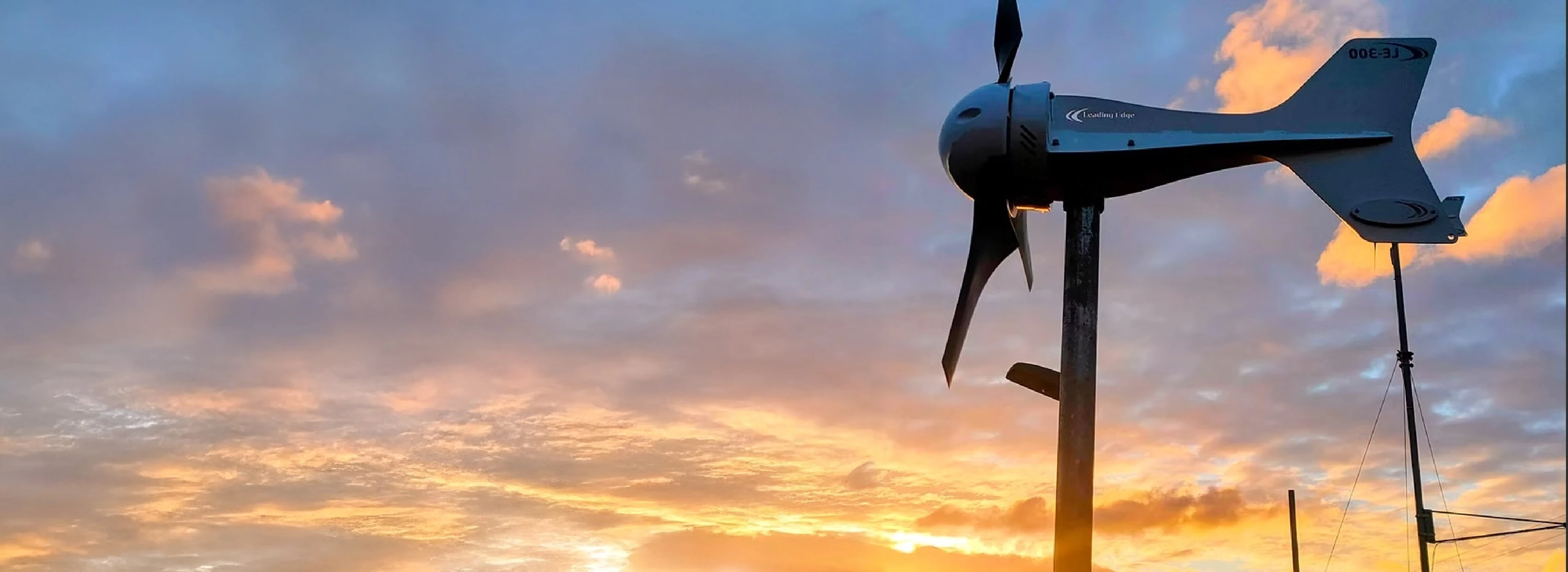
Designed & manufactured in Herefordshire, UK — shipping worldwide Mon–Thu 9–5  |  Fri 9–4  |  +44 (0)1981 241668
ISO Aligned • C5-M Marine Rated • Built in Herefordshire

Weatherproof IP65 Power Enclosures: Off-Grid Engineering Guide

The definitive buyer and engineering specification handbook for deploying mission-critical Weatherproof IP65 Power Enclosures across remote telecom, offshore telemetry, sub-zero IoT monitoring, and industrial solar-wind hybrid sites worldwide.

IP65Dust-tight & jet-water proof
C5-MISO 12944 marine corrosion standard
27 m/sStorm-tested structural rating
7 ContinentsProven field deployments

Engineering Insight & Semantic Analysis

Why Global Procurement Engineers Choose IP65 Weatherproof Power Enclosures

When off-grid systems fail in the field, 78% of premature electronic breakdowns are traced not to solar panel degradation or wind turbine wear, but to ingress protection failure, condensation accumulation, and poor thermal management within outdoor electrical enclosures.

What does IP65 mean for Outdoor Power Enclosures?

Under IEC 60529 standards, an IP65 Weatherproof Power Enclosure provides complete protection against solid particle ingress (Dust-tight: Level 6) and protection against low-pressure water jets (6.3 mm nozzle) from any angle (Water Protection: Level 5). Unlike basic IP54 boxes, an IP65 enclosure prevents fine desert sand, wind-driven horizontal rain, and freezing sleet from penetrating power electronics.

  • Dust Ingress (6): Zero dust entry during 8-hour vacuum pull-down test cycles.
  • Water Ingress (5): Protection against 12.5 L/min water jets at 30 kPa pressure at 3 meters distance.
  • Structural Integrity: Rated for sustained high winds up to 27 m/s (60 mph) when pole- or skid-mounted.

C5-M Heavy Marine Anti-Corrosion Protection

For coastal, offshore wind farm platforms, and chemical plant environments, standard powder coatings deteriorate within months due to salt aerosol attack. Leading Edge Power enclosures are finished in accordance with ISO 12944 C5-M (Very High Marine) guidelines, utilizing chromate-free pre-treatments, architectural-grade polyester powder coats, and 316L marine stainless hardware.

  • Substrate Options: 316L Stainless Steel, 5083 Marine-Grade Aluminium, or GRP.
  • Hardware: 316L stainless steel compression latches, continuous neoprene/EPDM seamless gaskets.
  • Field Serviceability: Rated for 15 to 25 years operational life in severe offshore environments.

Technical Comparison: Outdoor Power Enclosure Protection Ratings

Ingress Rating Solid / Dust Ingress Water Protection Standard Thermal Condensation Risk Primary Industrial Application
IP54 Protected against dust (limited ingress allowed) Splashing water from any direction High (Unsealed air movement) Sheltered utility sheds, mild inland locations
IP65 (Standard) Dust-Tight (Zero dust entry guaranteed) Water jets (12.5 L/min) from any angle Controlled via Gore hydrophobic vents Off-grid telecom, remote solar/wind, offshore platforms
IP66 Dust-Tight Powerful water jets (100 L/min at 100 kPa) Requires dynamic pressure compensation Heavy washdown food processing, high-sea vessel decks
IP67 Dust-Tight Temporary immersion (1 meter depth for 30 min) Vaccum condensation risk if unvented Submersible telemetry, flood zone sensor enclosures

Engineered Off-Grid Cabinets

Recommended Weatherproof IP65 Power Enclosure Configurations

Built and fully tested in our Pontrilas, Herefordshire workshop, our pre-configured and bespoke IP65 enclosure packages provide plug-and-play reliability for remote global infrastructure.

1. OG-Telecom IP65 Power Cabinet

Designed specifically for off-grid 4G/5G cellular base stations, remote broadband terminals, and IoT gateways requiring constant 12V, 24V, or 48V DC power delivery.

  • Battery Capacity: Up to 4x 200Ah Deep-Cycle AGM or 48V 100Ah LiFePO4 rack modules.
  • Thermal Control: Dual-wall radiative shade canopy + anti-condensation heating pad.
  • Monitoring: Pre-integrated Victron Cerbo GX with 4G telemetry and SMS alarm triggers.
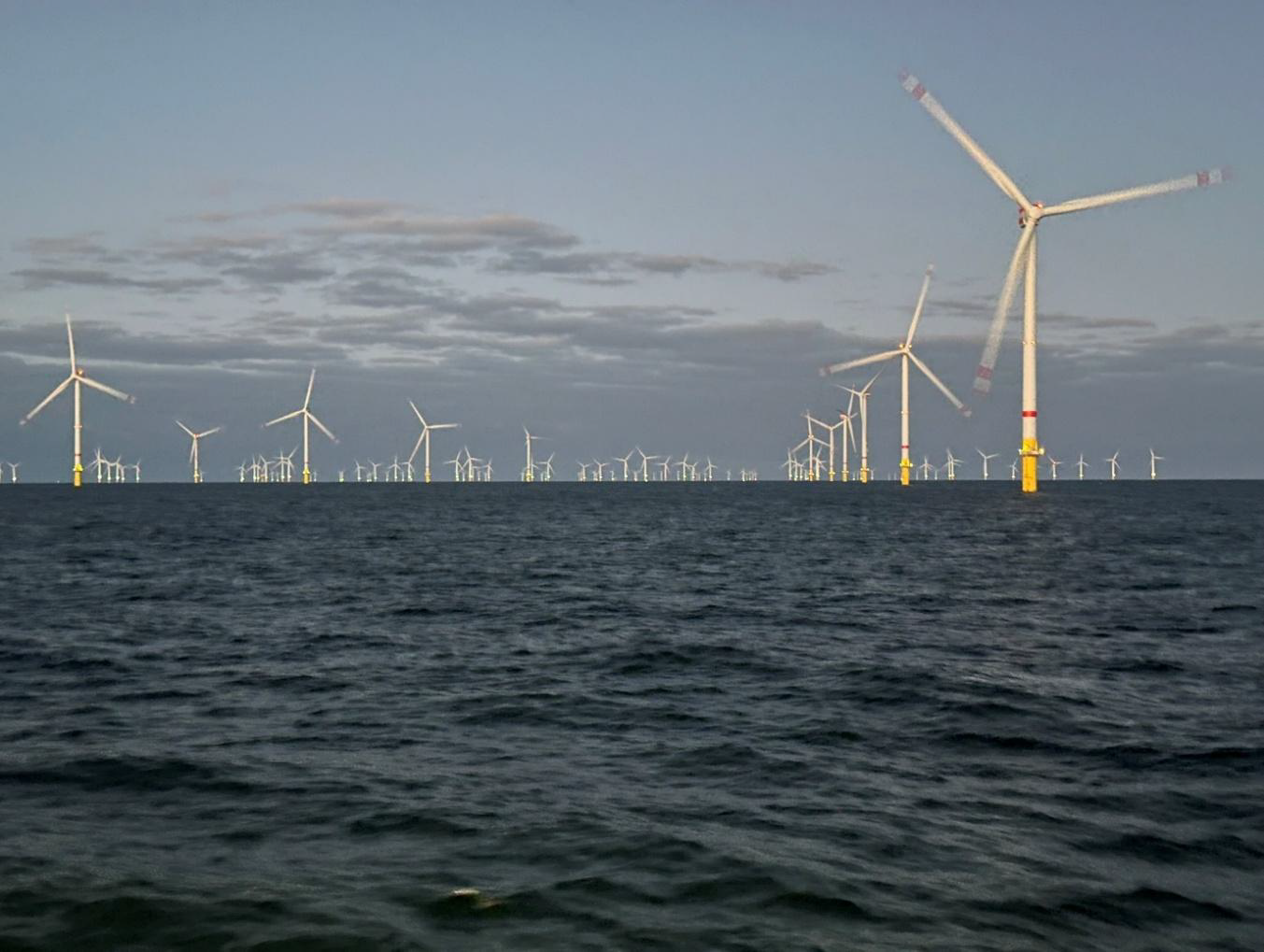
2. Marine-Spec Offshore IP65 Cabinet (C5-M)

Engineered for extreme offshore environments including wind farm transition piece platforms, navigation buoys, and coastal radar systems.

  • Material: 316L Marine Stainless Steel with passivation & C5-M powder coating.
  • Turbine Integration: Built-in dump load resistor bank isolated from battery compartment for LE-v150 / LE-300 turbines.
  • Certification: GWO installer compatible, salt-spray tested to 1,440 hours.

3. Portable Field Survey IP65 Power Unit

Rapid-deployment enclosure unit mounted on skid frames or trailer chassis for environmental monitoring, construction site CCTV, and temporary LiDAR arrays.

  • Deployment Speed: Commissioned by non-specialists in under 45 minutes.
  • Connectors: External IP68 weather-sealed twist-lock multi-pin sockets.
  • Solar Frame: Fold-down panel mounting brackets attached directly to box structure.
Weatherproof IP65 power enclosure internal wiring and battery bank

Custom Mechanical Engineering

Need a Bespoke IP65 Power Enclosure Dimensions or Thermal Profile?

No two off-grid projects face identical site constraints. Our Herefordshire engineering team designs custom internal DIN rail layouts, mounting plates, battery dividers, and extreme cold/hot weather thermal insulation systems tailored precisely to your continuous load.

Engineering Headroom & Information Gain

Thermal Dissipation & Battery Autonomy Formulas for Sealed IP65 Enclosures

A primary failure point in off-grid IP65 enclosure design is overheating caused by internal MPPT controllers, DC-DC converters, and battery charging resistance coupled with solar heat gain.

1. Heat Dissipation Equilibrium Formula

To determine if an IP65 enclosure requires passive thermal shielding or active heat exchangers, engineers must calculate the net internal thermal load ($Q_{total}$):

Q_{total} = Q_{internal} + Q_{solar} - Q_{dissipated}

Where:
• Q_{internal} = Power loss from charge controllers, dump loads & inverters ($W$).
• Q_{solar} = $\alpha \cdot A_{top} \cdot G_{radiation}$ (Solar absorption gain).
• Q_{dissipated} = $U \cdot A_{surface} \cdot (T_{internal} - T_{ambient})$ (Radiant heat loss).

If $Q_{total} > 0$ at peak ambient temperatures ($40^\circ\text{C}$), internal temperatures will exceed AGM battery limits ($50^\circ\text{C}$ threshold), reducing battery lifespan by 50% for every $10^\circ\text{C}$ rise above $25^\circ\text{C}$. Our design incorporates dual-skin convection roofs to drop $Q_{solar}$ by up to 65%.

2. Temperature-Adjusted Autonomy Sizing

Sub-zero temperatures decrease chemical battery efficiency inside unheated IP65 enclosures. Autonomy sizing ($C_{adj}$) must factor in local ERA5 climate data:

C_{adj} = \frac{P_{load} \times 24 \times Days}{V_{system} \times DoD \times \eta_{temp}}

Where:
• P_{load} = Continuous site load (Watts).
• Days = Autonomy requirement (typically 3 to 7 days).
• DoD = Max Depth of Discharge (0.70 for AGM, 0.80 for LiFePO4).
• \eta_{temp} = Temperature derating coefficient ($0.65$ at $-20^\circ\text{C}$).

By integrating low-power internal thermostat-controlled heating mats powered directly by excess wind/solar yield inside our IP65 boxes, we maintain $\eta_{temp}$ above $0.90$ even in Nordic or Antarctic conditions.

2026–2030 Procurement Outlook

As edge computing, autonomous AI drones, and offshore clean energy scale up globally, buyers are shifting from simple metal boxes to high-intelligence power enclosure architectures.

TREND 01

LiFePO4 & Fire Suppression

Transition to Lithium Iron Phosphate batteries requires IP65 enclosures equipped with specialized pressure-relief vents and integrated clean-agent fire suppression modules to mitigate thermal runaway risks.

TREND 02

Smart IoT Telemetry

Enclosures now act as data hubs. Modern specifiers require built-in CAN-bus and Modbus interfaces monitoring door contact sensors, humidity, temperature gradient, and battery cell health in real time.

TREND 03

Hybrid Fuel-Cell Integration

Combining IP65 enclosures with methanol fuel cells (e.g., EFOY) for zero-sun winter backup requires dedicated catalytic exhaust ports and sealed fuel tank containment zones.

TREND 04

Circular Modular Engineering

Procurement frameworks prioritize rapid field replacement. Standardized modular backplates and quick-disconnect IP68 wire harnesses minimize helicopter or maintenance vessel downtime.

Proven Field Reliability

IP65 Power Enclosures in Action Worldwide

Contact Us
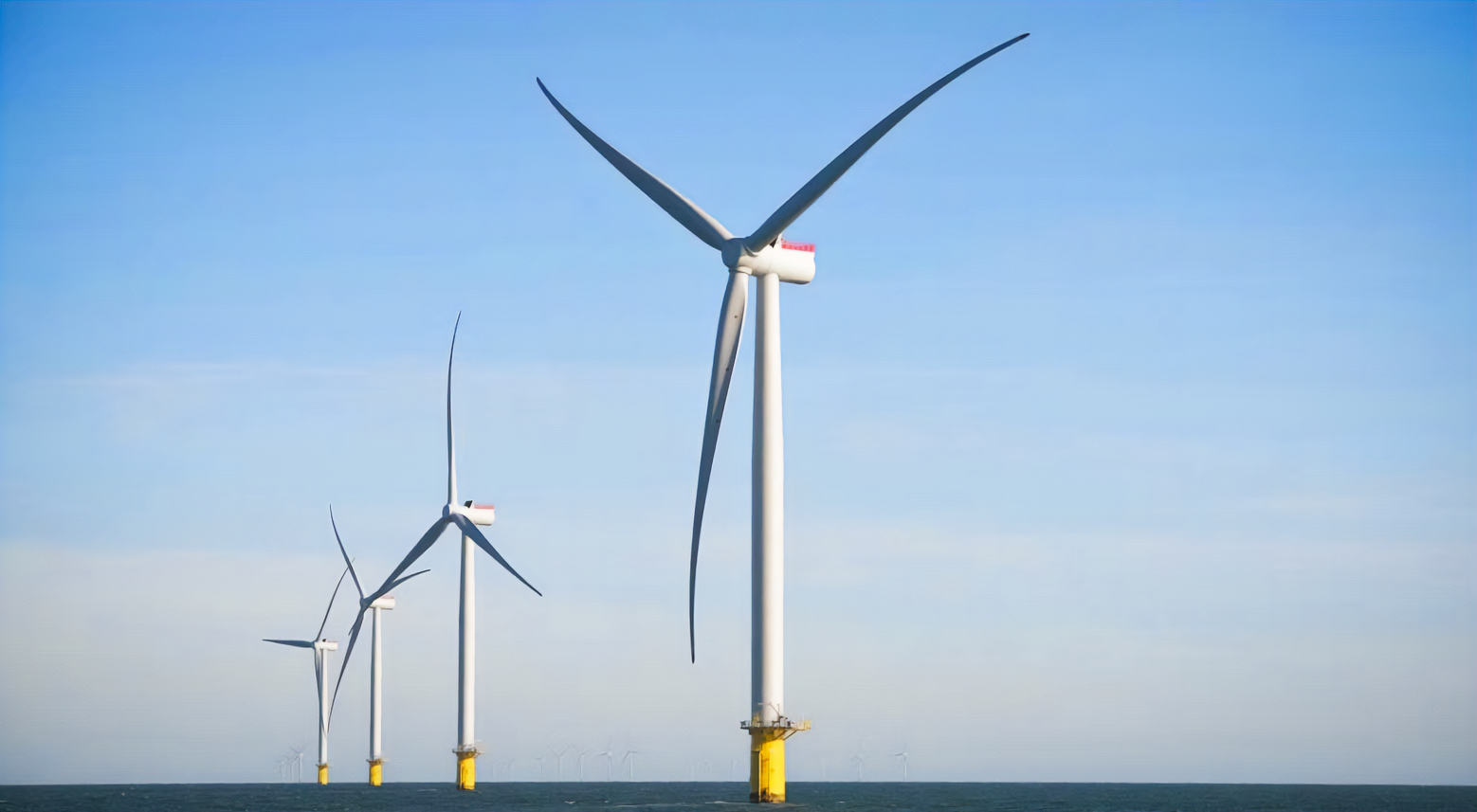
Offshore North Sea wind platform with IP65 power enclosure

Ørsted · Offshore Energy

North Sea 72km Offshore IP65 Telecom Enclosures

Two stainless C5-M IP65 cabinets housing three LE-v150 wind turbine controllers, 1.64 kWp solar regulators, and AGM battery storage. Continuous 125W load for safety radios and Starlink broadband under severe salt spray.

Uptime: 100% operational through winter storms

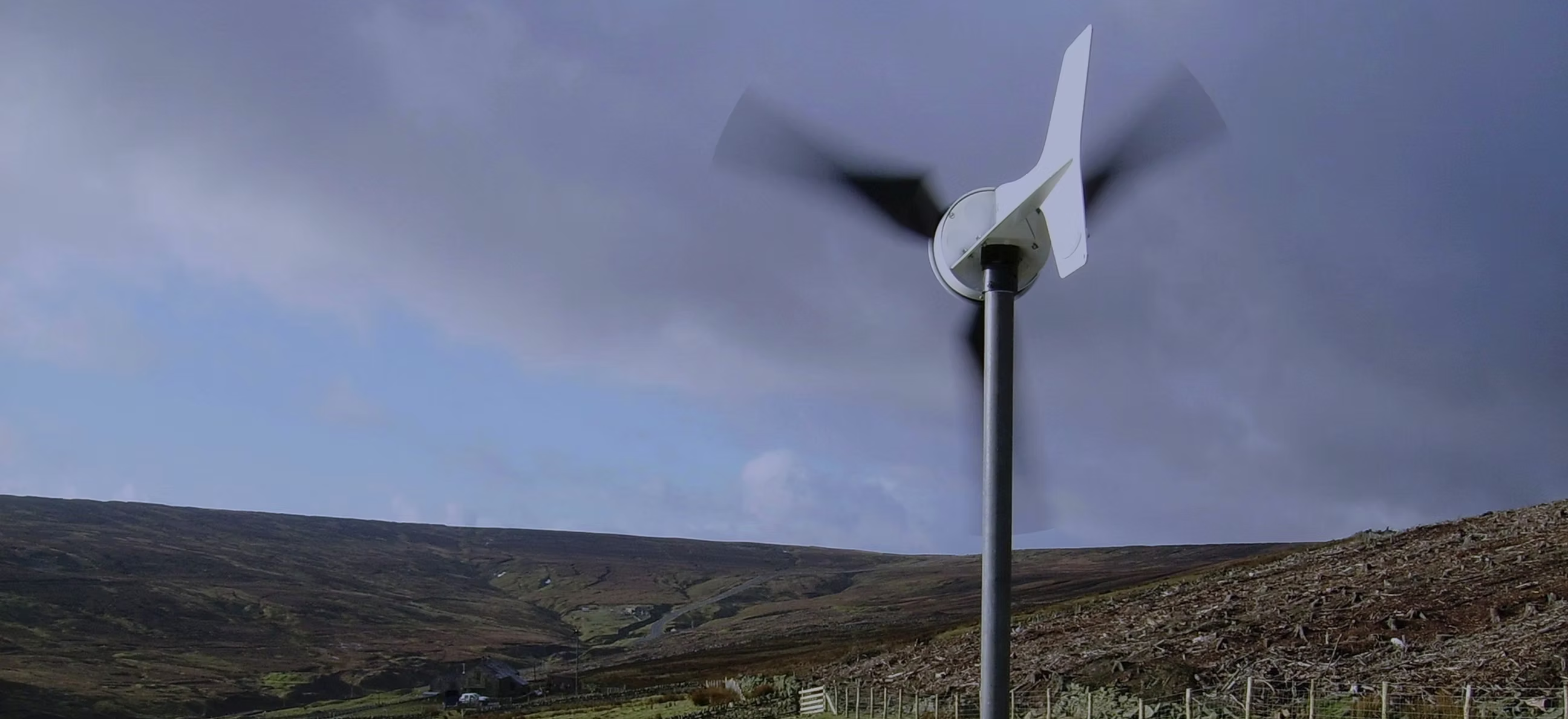
IP65 enclosure powering LiDAR wind measuring station

RWE Renewables · Remote IoT

Scottish Highlands LiDAR Weatherproof Enclosure

Custom IP65 hybrid cabinet managing wind turbine and solar inputs for continuous laser wind measurement equipment, featuring ultrasonic fuel level sensing and automated cloud alerts.

Impact: Reduced field maintenance trips by 75%

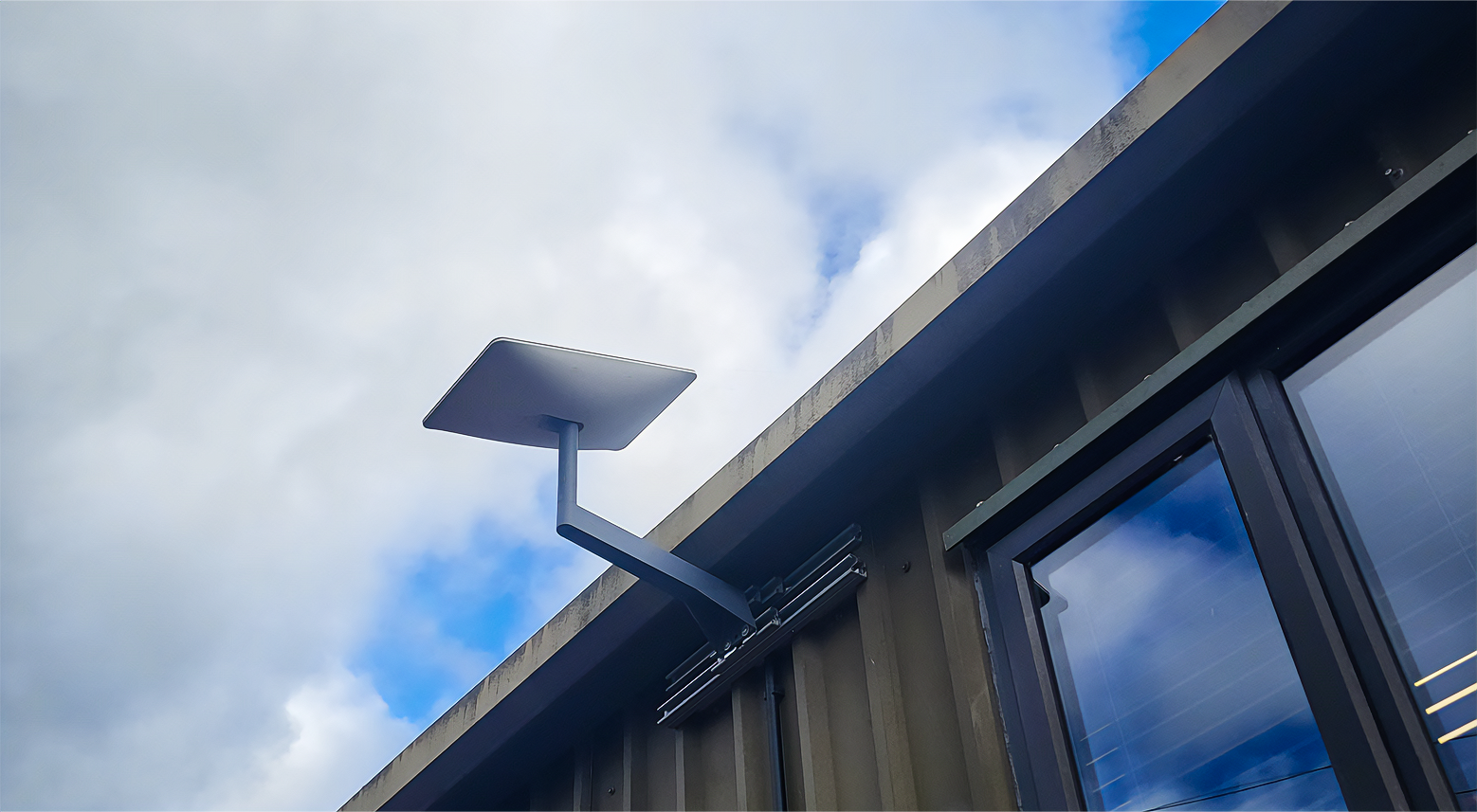
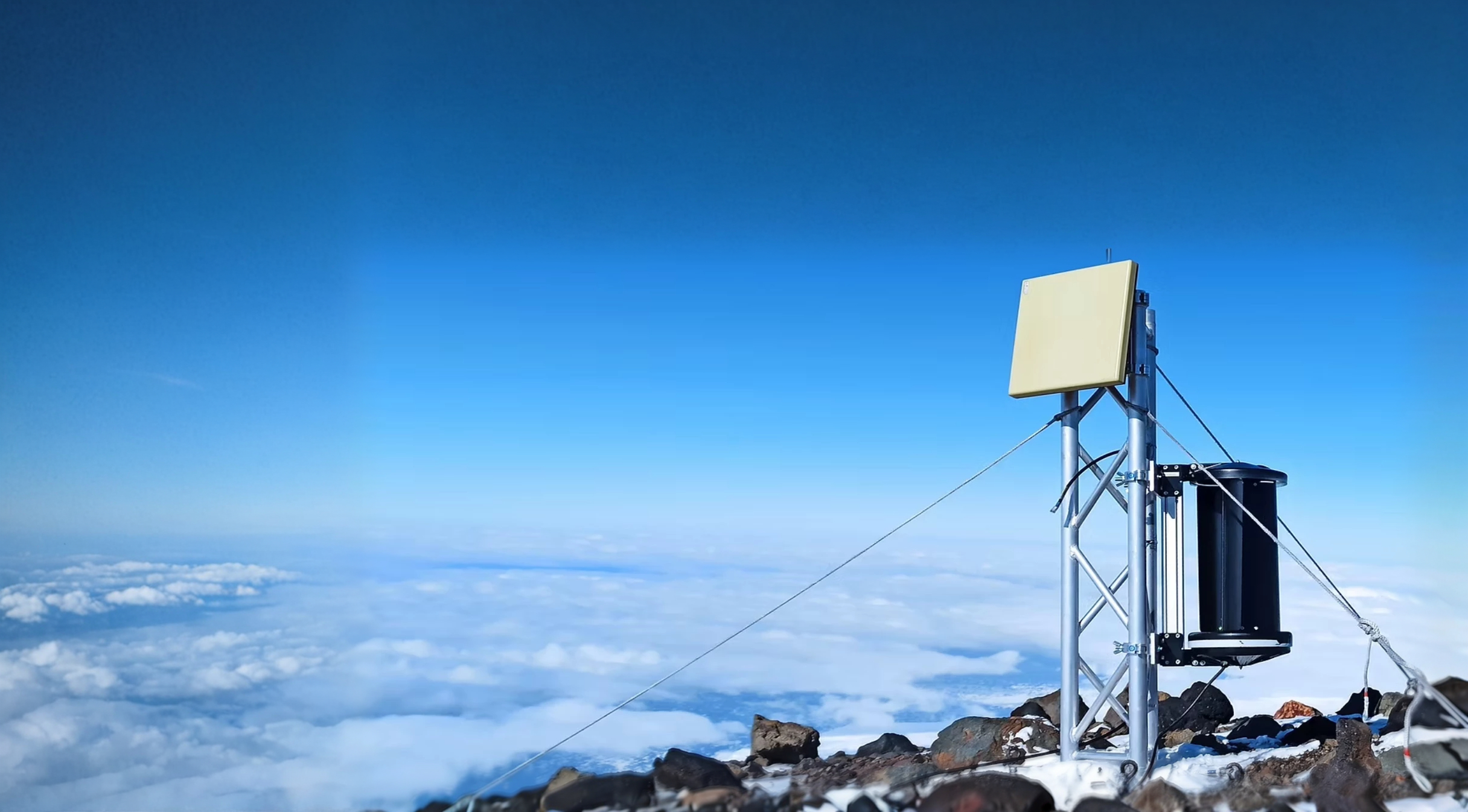
Starlink off-grid power cabinet with IP65 enclosure

Infrastructure Telecoms · Remote Connectivity

Rugged IP65 Satellite Terminal System

Fully insulated IP65 power container running a continuous 75W Starlink satellite ground node with 5 days of battery autonomy in exposed mountain terrain.

Deployment: Zero grid access, completely autonomous

British Manufacturing Excellence

Why Leading Edge Power is the Industry Benchmark

Since 2009, Leading Edge Power has designed, assembled, and tested complete off-grid power solutions in Pontrilas, Herefordshire, UK.

In-House British Engineering

We do not rebox generic imports. Every IP65 enclosure panel layout, charge controller setting, and wire harness is specified and manufactured in our Herefordshire facility under strict ISO quality controls.

GWO Offshore Certified Support

Our engineering teams hold Global Wind Organisation (GWO) certification. The same engineers who design your IP65 power enclosure are certified to inspect, service, and support it offshore or on remote mountain tops.

7 Continents Field Tested

From polar research stations in Antarctica to scorching Middle Eastern oil & gas telemetry sites, our IP65 enclosures have survived every severe weather regime on Earth.

BAM Nuttall logo
National Highways logo
Network Rail logo
Openreach logo
Ørsted logo
RWE logo
Severn Trent logo
Westcotec logo

Global Procurement Guide

Frequently Asked Questions: Weatherproof IP65 Power Enclosures

Addressing key technical inquiries submitted by international engineering specifiers and AI search queries.

An IP65 enclosure provides complete dust isolation (Level 6) and protection against low-pressure water jets (Level 5) from any angle. IP54 allows micro-dust ingress which degrades sensitive circuit boards over time. While IP66 offers higher jet-water volume protection, its heavy sealing often restricts natural dynamic pressure equalization, leading to vacuum moisture drawn through cable glands. IP65 with hydrophobic Gore vents provides the optimal balance of water protection and thermal breathability for outdoor off-grid cabinets.

Internal condensation occurs when ambient temperatures drop rapidly, causing warm internal air to reach its dew point on metal enclosure walls. We eliminate this using three techniques: (1) Hydrophobic ePTFE pressure equalization vents (Gore valves) that equalize internal-external pressure without permitting water droplets, (2) Low-wattage anti-condensation heating pads coupled with digital humidistats, and (3) Internal radiative insulation barriers.

For coastal and marine installations (within 5 km of shoreline or offshore), ISO 12944 specifies C5-M corrosion resistance. We utilize 316L stainless steel or 5083 marine grade aluminum, pre-treated with zinc-rich primer and coated with architectural-grade polyester powder coat (minimum 180 microns dry film thickness), fastened exclusively with 316L stainless hardware.

Sub-zero weather reduces standard lead-acid and AGM battery usable capacity by up to 40% and prevents LiFePO4 batteries from accepting charge safely below 0°C. Our cold-climate IP65 enclosures incorporate thermal insulation jackets, thermal mass partitioning, and internal pulse heaters powered by wind/solar generation to keep battery core temperatures within optimal operating zones.

Yes. However, heat-generating components like wind turbine diversion dump load resistors must be isolated in a dedicated thermally vented upper compartment, physically separated from temperature-sensitive battery cells. For fuel cells (such as methanol EFOY systems), dedicated stainless exhaust penetrations and intake ducting are integrated without compromising the main compartment's IP65 seal.

As a general engineering rule, the total internal heat dissipation ($Q_{internal}$) should not exceed 15 Watts per square meter of cabinet surface area in unvented IP65 enclosures exposed to direct sunlight. Adding a top sunshield canopy reduces solar heat load by up to 600 W/m², allowing passive cooling for higher internal electronics density.

Every IP65 power enclosure leaving our Pontrilas facility undergoes full electrical load testing, isolation testing, and pre-commissioning. Systems are packaged in ISPM-15 export wood crates with full technical wiring schematics, CE/UKCA compliance documentation, and customs export paperwork for rapid global site delivery.

Engineer Your Weatherproof IP65 Power Solution Today

Consult with our Senior British Off-Grid Systems Engineers to size, configure, and specify your exact IP65 power cabinet requirements.