1. Peak Load Decoupling
Direct DC-to-DC buffer architecture isolates generation equipment from peak battery charging bursts, preventing inverter tripping and voltage sags.

British Engineering Excellence Since 2009
Industrial off-grid hybrid power stations engineered to provide 100% operational uptime for remote Drone-in-a-Box (DiaB) installations, BVLOS inspection hubs, and security ports across harsh weather environments globally.
User Intent & Engineering Reality
Deploying Beyond Visual Line of Sight (BVLOS) UAV platforms in remote energy corridors, offshore wind farms, cross-country pipelines, and national borders presents a fundamental electrical engineering dilemma: matching low baseline standby consumption with extreme transient peak charging loads.
An autonomous drone docking enclosure requires continuous low-wattage power (typically 60W to 180W) to maintain ambient climate control (internal heating/cooling), run edge compute hardware, power RTK GPS base stations, and operate cellular/Starlink backhaul radios 24 hours a day, 365 days a year.
However, when the airframe lands following a mission, the power profile abruptly surges. To achieve fast battery replenishment (recharging a 6S–14S LiPo/LiFePO4 flight pack in 20 to 40 minutes), the docking platform demands a transient surge power of 1,500W to 6,000W.
If an off-grid installation relies solely on traditional solar panels, two failure points inevitably occur: low winter solar irradiance grounds the drone fleet for months, while high surge currents drop DC bus voltages below operational thresholds, triggering automated hardware lockouts.
Standard solar sizing tools calculate average daily kilowatt-hours (kWh), completely masking peak discharge requirements. Leading Edge Power solves this through dual-stage energy buffering:
Direct DC-to-DC buffer architecture isolates generation equipment from peak battery charging bursts, preventing inverter tripping and voltage sags.
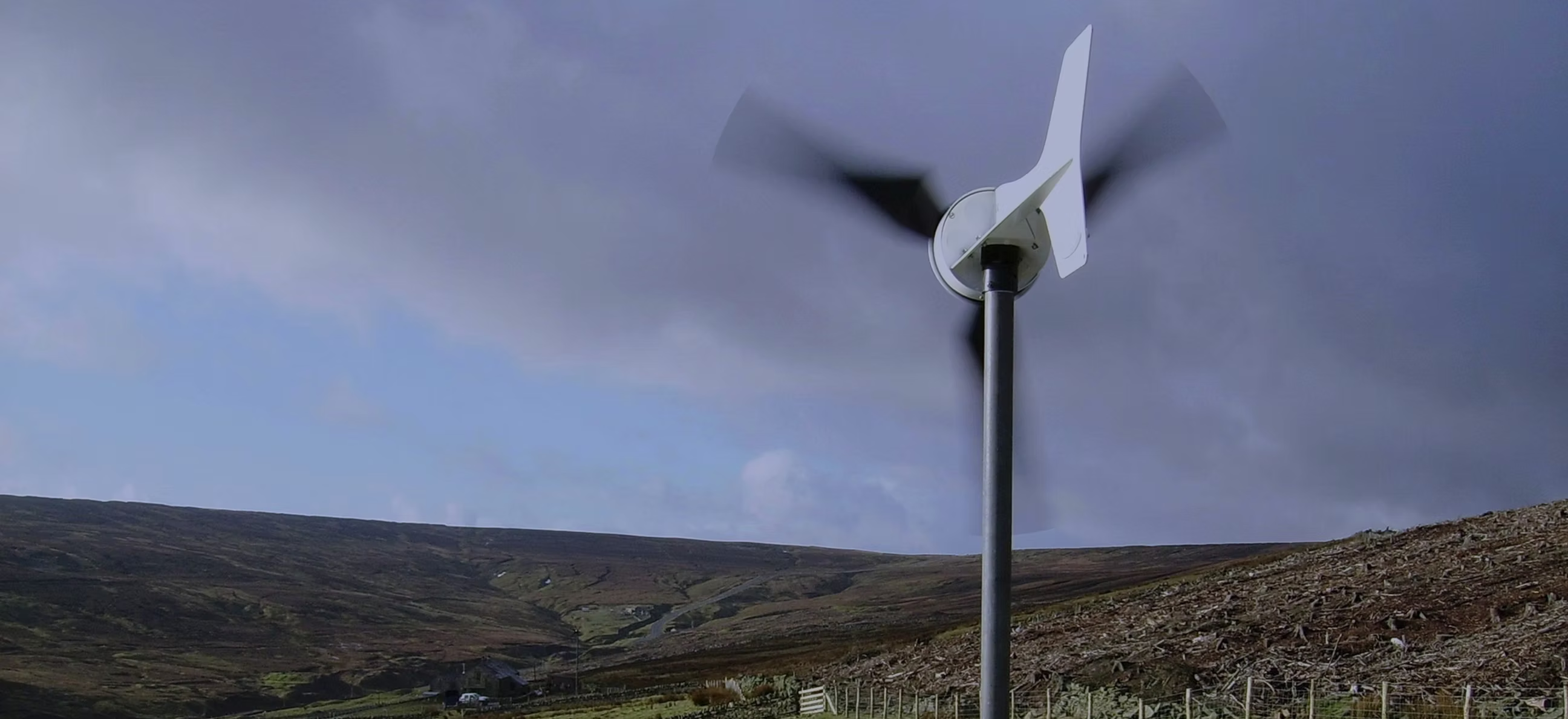
Combining vertical/horizontal wind turbines with solar guarantees generation regardless of solar elevation, snowy conditions, or overcast winter days.
Enclosures and turbines are tested against sustained 27 m/s (60 mph) winds, heavy ice loads, and salt spray in accordance with marine industrial standards.
Enterprise Product Portfolio
Every site presents distinct meteorological and operational constraints. Explore our field-proven power stations engineered specifically for autonomous drone stations, telemetry systems, and remote security hubs.
Engineered for fixed long-range inspection routes along pipelines, utility corridors, and perimeter security installations.
Designed for offshore wind substation platforms, island telemetry, and coastal defense drone docking stations.
Towable, rapidly deployable hybrid energy platform for temporary construction surveillance, disaster response, and agricultural mapping.
Proven In The Field Since 2009
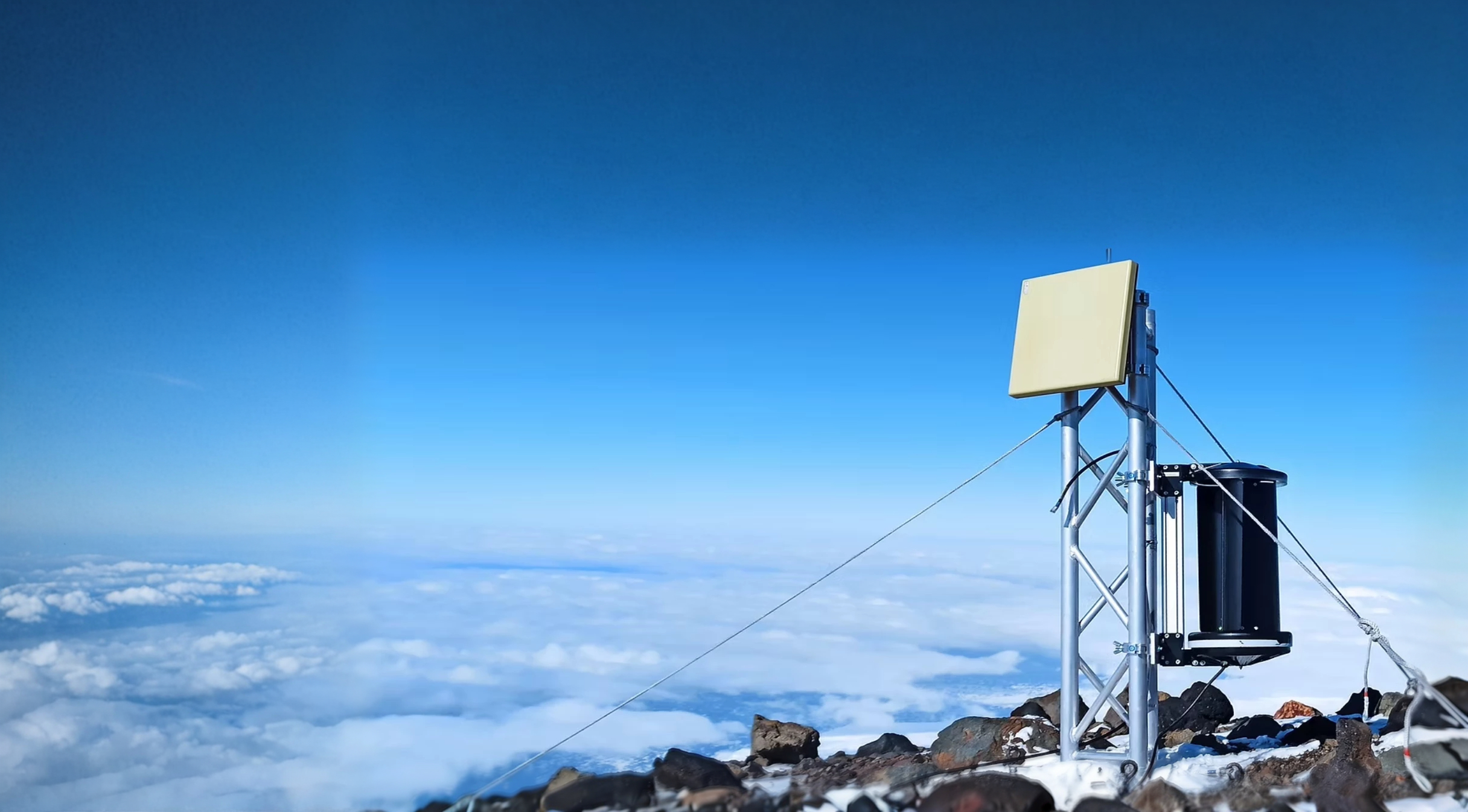
Leading Edge Power designs, manufactures, and tests all wind turbines, control electronics, and custom enclosure systems in our workshop in Pontrilas, Herefordshire, United Kingdom. We do not white-label components or rely on idealised weather assumptions.
For over 15 years, our energy systems have operated in the world's most aggressive environments—from Antarctic weather research posts to offshore wind farms located 72 km out in the North Sea. Our field technicians hold Global Wind Organisation (GWO) offshore certifications, meaning the exact engineers who design your autonomous drone power system are trained to install and service it in extreme locations.
"When an autonomous drone dock is positioned 50 miles out on a pipeline or offshore turbine, a power loss isn't just an inconvenience—it grounds a million-pound asset. We engineer our hybrid micro-grids to ensure the site never goes dark." Dan Goodman, Sales Director
2025–2030 Technology Roadmap
As global commercial UAV operations transition from human-piloted spot checks to fully autonomous BVLOS networks, energy procurement strategies are evolving rapidly. Key technological shifts driving enterprise adoption include:
Next-generation Drone-in-a-Box platforms no longer treat power as a passive utility. Drone fleet management software (UTM) now queries power station APIs via MODBUS TCP or MQTT to read real-time State of Charge (SoC), internal battery temperature, and forecasted energy yield from local ERA5 micro-weather feeds.
Impact: The fleet software automatically reschedules non-urgent inspection flights during periods of low wind/solar generation to preserve battery integrity for mission-critical alerts.
Converting renewable DC energy to AC power via inverters, only for the drone docking station to convert it back to DC, creates a 12% to 18% thermal loss. Modern off-grid charging stations are moving to native DC bus architectures (24V/48V/380V DC), transferring energy directly from buffer batteries to UAV flight packs.
Impact: Reduces heat buildup inside sealed docking enclosures, extends component lifespan, and reduces required solar/wind generation capacity by 15%.
Enterprise ESG mandates are rendering traditional diesel backup generators obsolete. Integrators are pairing hybrid wind-solar systems with clean direct methanol fuel cells (EFOY). Methanol provides months of continuous emergency backup fuel in a stable liquid form without degrading or emitting nitrogen oxides (NOx) and soot.
Impact: Enables year-round 100% SLA compliance for arctic or dense-canopy forest installations with zero carbon penalty.
Long-distance linear infrastructure—such as national railways and cross-country electrical grids—requires continuous "daisy-chained" charging nests spaced 15 to 30 kilometers apart. Unified monitoring dashboards allow operators to track the energy reserves of dozens of remote charging nodes simultaneously from a single central control room.
Impact: Eliminates single-point operational failures and enables continuous, autonomous multi-UAV relay operations over thousands of miles.
Proven Field Performance
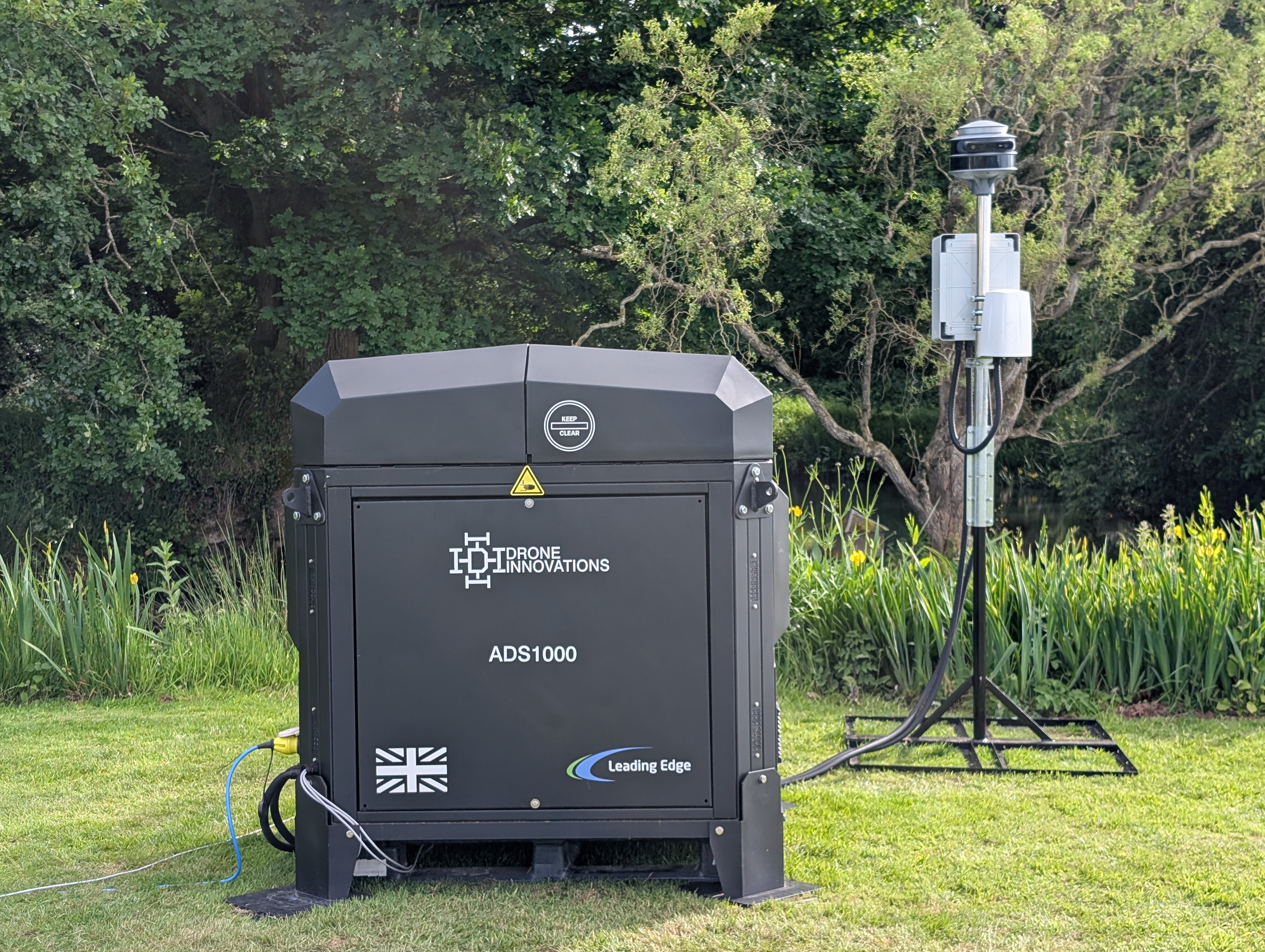
Autonomous UAV Operations · Perimeter Defense
Two-day intensive field demonstration powering an automated drone docking station completely off-grid. The system managed continuous 120W idle climate control plus repeated 2.2kW rapid charging bursts using an LE-300 turbine and solar array buffer.
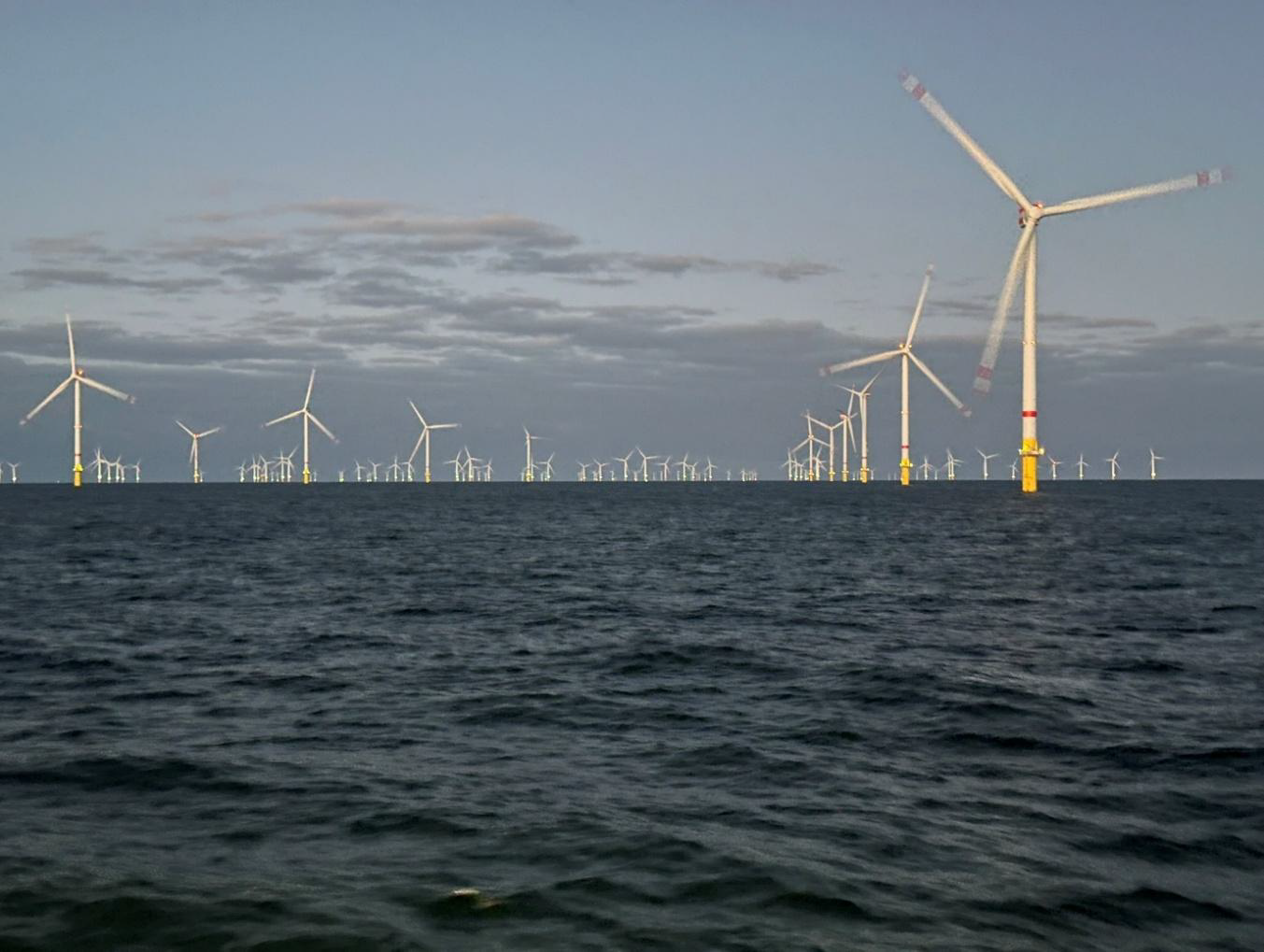
Ørsted · Offshore Telecommunications & UAV
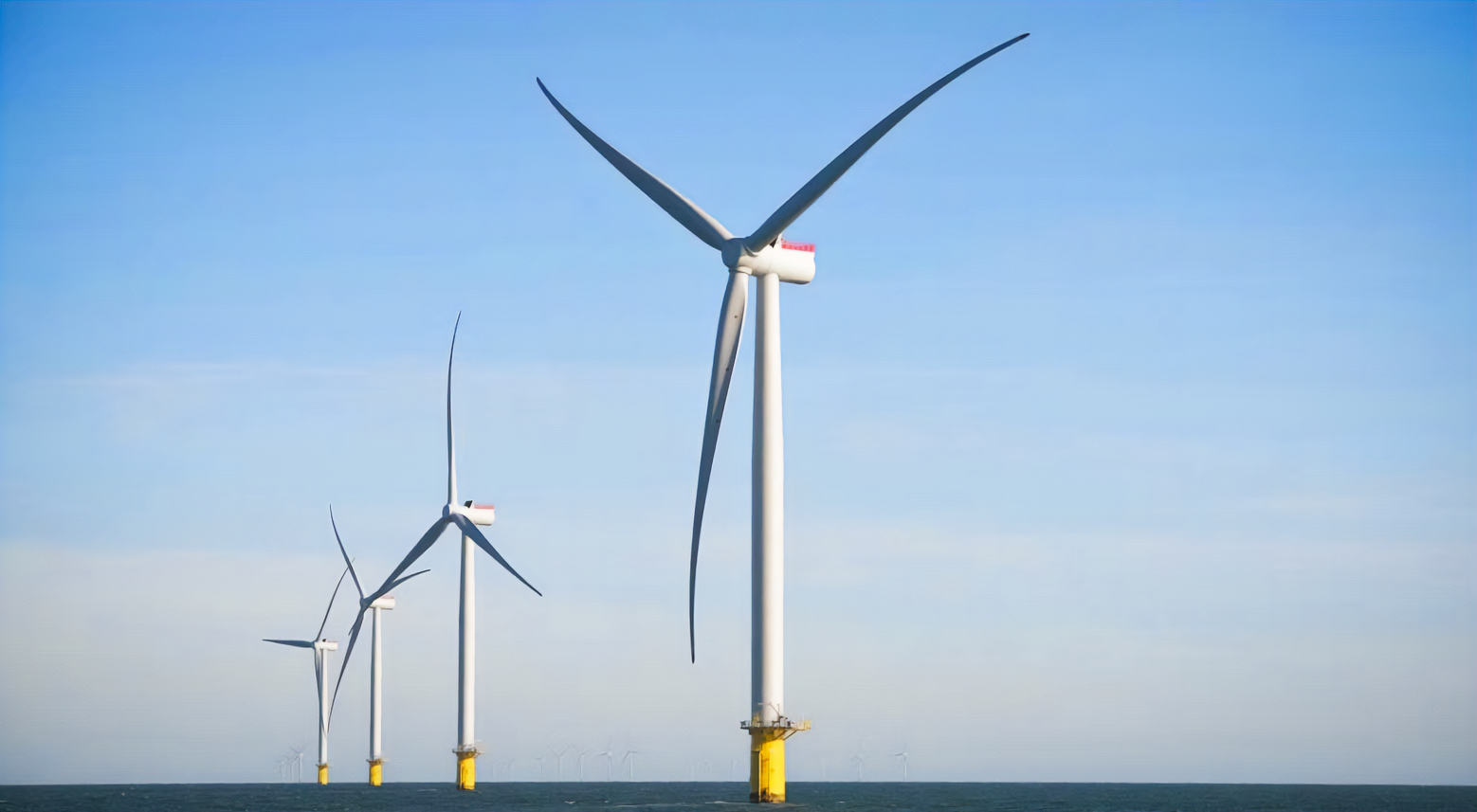
Deploying twin hybrid power platforms (3x LE-v150 Storm turbines, 1.64kWp solar, AGM buffer, EFOY methanol FC) 72 km offshore in the North Sea to support continuous radio, Starlink, and autonomous drone surveillance.
RWE Renewables · Remote Data Systems
Replaced high-maintenance fuel generators with an integrated wind-solar hybrid array featuring ultrasonic fuel sensing and Victron remote monitoring, cutting maintenance visits by 85% annually.
Enterprise Trust
Our custom micro-grids power critical infrastructure for top-tier energy companies, transport authorities, and defense contractors.








Procurement & Technical FAQ
Answers to key engineering, climate resilience, and operational questions asked by drone program directors and systems integrators.
Our off-grid power stations use an architecture called "Peak Load Decoupling." Instead of powering the drone charger directly from wind or solar panels (which fluctuate), renewable generation continuously trickle-charges a dedicated high-discharge energy storage buffer (AGM or LiFePO4 chemistry). When the drone docks, the charger draws power from this buffer bank, delivering up to 6kW of continuous fast-charging current. Once charging is complete, the wind turbine and solar panels replenish the buffer bank at a lower, sustained rate. This design completely eliminates system overloads and voltage drops.
For sub-zero climates (down to -40°C), we frequently specify deep-cycle Pure Lead AGM (Absorbed Glass Mat) or internally heated lithium iron phosphate (LiFePO4) storage banks. Standard lithium batteries cannot accept charge below 0°C without permanent cell damage. Our sub-zero systems feature temperature-triggered internal heating elements powered directly by incoming wind/solar generation before charge current reaches the main battery cells. AGM batteries remain an exceptionally rugged choice for unattended sites due to their chemical tolerance to extreme cold and zero maintenance requirement.
In high-latitude regions, winter solar yields drop by up to 85% due to short daylight hours and low sun angles. However, winter meteorology in northern Europe and North America is typically accompanied by higher average wind speeds. By pairing micro wind turbines (such as our horizontal LE-300 or vertical LE-v150 Storm) with monocrystalline solar panels, energy generation peaks out-of-phase: wind fills the seasonal winter gap when solar yield is minimal. For zero-downtime missions, we integrate an automated methanol fuel cell as a third backup tier.
Yes. Our systems are built around industrial communications nodes (Victron Cerbo GX platform) supporting MODBUS TCP, MODBUS RTU, CAN-bus, and MQTT messaging over cellular or satellite (Starlink) links. Your Unmanned Traffic Management (UTM) software or automated fleet dashboard can query real-time State of Charge (SoC), remaining storage capacity, current generation rates, and climate sensor data before authorizing an airframe to launch on a remote mission.
Our hybrid micro-grids are engineered for unattended 12-month inspection intervals. Small wind turbines feature sealed marine bearings and dual magnetic braking systems with no brushes to replace. Solar panels utilize self-cleaning hydrophobic coatings. Remote diagnostic telemetry allows engineers to detect performance anomalies, check state of charge, and push firmware updates over the air, minimizing physical helicopter or off-road maintenance visits to remote mountain or offshore locations.
Our LE-v150 Storm and LE-300 marine wind turbines are manufactured using hard-anodised aluminium alloys, 316 stainless steel hardware, and specialized marine polyurethane coatings rated for severe atmospheric salt corrosion. Engineered and field-proven on offshore wind substation platforms in the North Sea, they survive sustained wind gusts in excess of 27 m/s (60 mph) without structural degradation or electrical short-circuiting.
Simply provide our engineering team with your site GPS coordinates and your drone station's load profile (idle wattage + peak charging wattage/duration). We analyze 40 years of ERA5 satellite weather data for your exact location, perform a rigorous wind/solar resource assessment, and deliver a detailed engineering proposal complete with expected operational autonomy, battery cycle life predictions, and schematic layouts.
Whether specifying energy systems for a single BVLOS test bed or a multi-dock cross-country pipeline network, consult directly with our Herefordshire design engineers.