Designed & manufactured in Herefordshire, UK — shipping worldwide Mon–Thu 9–5  |  Fri 9–4  |  +44 (0)1981 241668

Industrial Grade B2B Engineering

Portable Off-Grid Power Units.

Engineered, hybrid-renewable portable off-grid power units built in Herefordshire, UK. Delivering rapid deployment, zero-maintenance continuous autonomy, and remote telemetry for critical global infrastructure.

30 MinsRapid Field Deployment
7 ContinentsProven Deployment
27 m/sStorm Survival Wind Rating
24/7 VRMSatellite Telemetry Live

Enterprise Procurement Guide

Replacing Diesel Generators with Portable Off-Grid Power Units

Global infrastructure managers, telecommunications specifiers, and environmental project leads face a common operational hurdle: how to deliver clean, uncompromised continuous electrical power to remote assets without the massive OpEx, noise, carbon footprint, and failure rates of legacy diesel generators.

The Operational Reality of Unstaffed Remote Sites

Deploying mobile communications masts, environmental LiDAR survey systems, autonomous drone charging stations, or remote security compounds requires dependable energy. Traditional diesel generator sets introduce recurring fuel delivery logistics, frequent oil change schedules, carbon emissions, and high mechanical breakdown risks. When a remote sensor site loses power, the financial penalty of downtime quickly outstrips the initial hardware cost.

Modern enterprise procurement teams demand engineered portable off-grid power units that function autonomously for months or years. By harvesting localized solar and wind energy—backed by high-density deep-cycle AGM or Lithium Iron Phosphate (LiFePO4) energy storage and automated methanol fuel cells—these units achieve continuous year-round power autonomy in any geographical zone.

Empirical Climate Modeling vs. Generic Sizing

A primary failure point in off-grid procurement is relying on annual average sun-hour metrics. A portable power system deployed in Northern Europe or exposed coastal sites faces severe seasonal winter solar drops. If a portable power unit relies solely on solar PV, battery banks deplete rapidly during extended dark, still weather windows.

Leading Edge Power solves this through empirical modeling. We cross-reference exact site GPS coordinates against 40-year ERA5 global atmospheric reanalysis datasets blended with the Global Wind Atlas. Our engineers model worst-case winter solstice solar irradiance alongside localized micro-wind profiles to design hybrid portable units guaranteed to sustain continuous base loads (5W to 500W+) without interruption.

Recommended Configurations

Industrial Portable Off-Grid Power Units Product Matrix

Engineered for seamless transit, rapid field commissioning, and rugged environmental resilience. Select the ideal architecture for your load profile and terrain constraints.

Mobile Hybrid Trailer

OG-Base Mobile Solar & Wind Unit

A heavy-duty road-legal towable trailer engineered for fast emergency deployment, remote telecommunications, Starlink connectivity, and temporary construction sites.

  • Generation: 1.64 kWp folding monocrystalline solar panels + optional LE-300 / LE-v150 micro wind turbine.
  • Storage: Up to 1,600 Ah deep-cycle AGM or modular LiFePO4 battery bank (12V/24V/48V bus).
  • Deployment: Gas-strut assisted fold-out array; non-specialist setup in < 30 minutes.
  • Telemetry: Victron Cerbo GX with global 4G / satellite remote portal (VRM).
Skid-Mounted System

Continuous Skid Power Module

Engineered for semi-permanent infrastructure, highway monitoring, rail signal enclosures, and water utility telemetry where road trailers are impractical.

  • Generation: Marine-grade high-efficiency PV frame integrated with vertical-axis or horizontal micro-wind turbines.
  • Autonomy: Sized for 5–10 days continuous battery backup during complete dark/still winter periods.
  • Enclosure: IP66 powder-coated marine aluminum with anti-vandal lockable cabinets.
  • Back-up Integration: Direct interface for EFOY automatic methanol fuel cells.
Tactical Transit Case

Rugged Pelican Case Power Unit

Ultra-compact, highly portable power units for environmental research missions, defense field operations, LiDAR survey gear, and temporary IoT gateways.

  • Portability: Flight-ready, ruggedized waterproof Pelican-style wheeled case enclosure.
  • Input Flexibility: Accepts portable folding solar mats, micro vertical wind turbines, or AC mains trickle charge.
  • Outputs: Multi-voltage regulated outputs (12V DC, 24V DC, USB-C Power Delivery, pure sine 230V AC).
  • Durability: MIL-SPEC shock absorption and extreme low-temperature internal battery heaters.
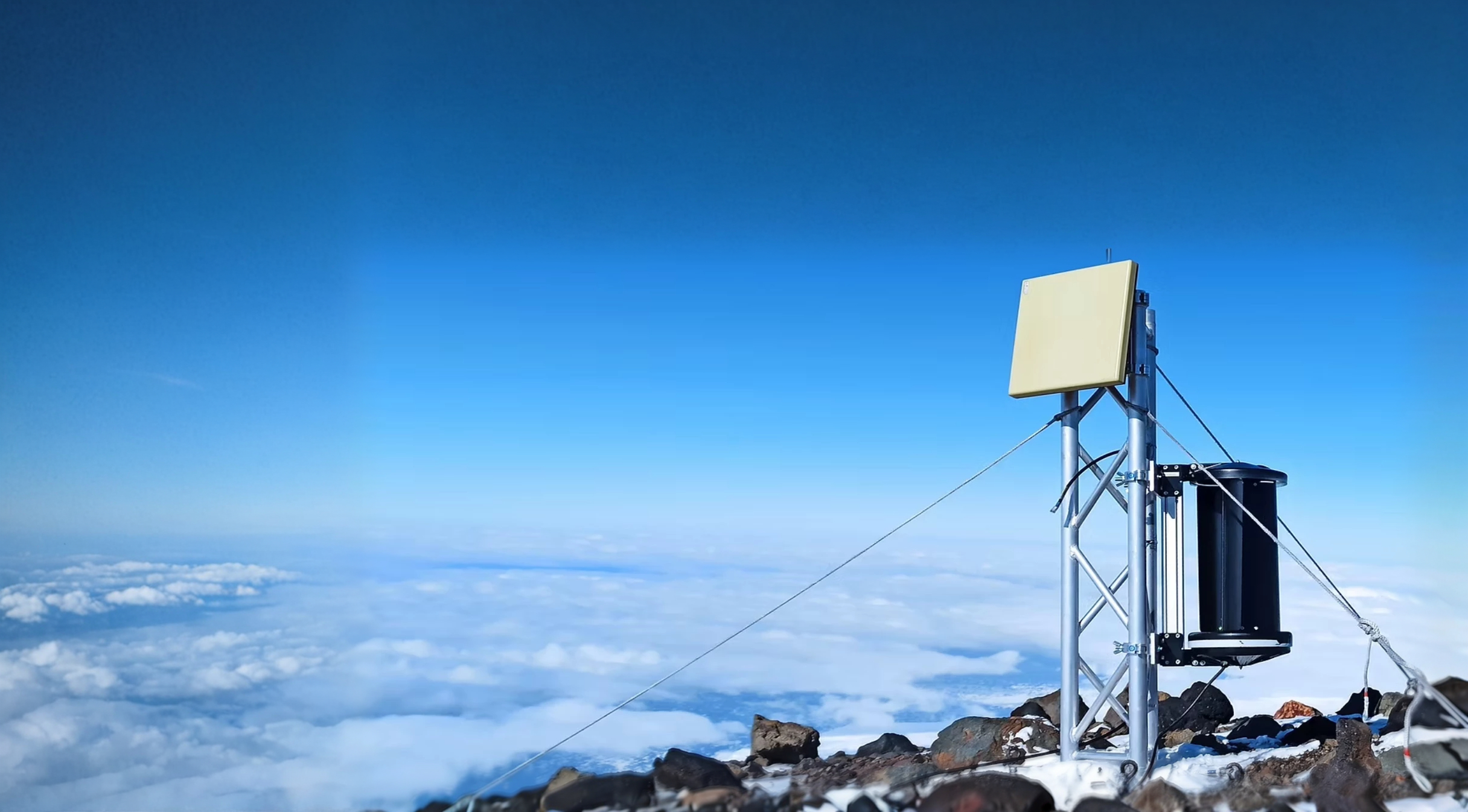
British engineered portable wind and solar hybrid power unit deployed on mountain site

Engineering Superiority

British Manufacturing & Proven Field Expertise

Since 2009, Leading Edge Power has designed, tested, and built off-grid renewable power systems from our manufacturing workshop in Pontrilas, Herefordshire, UK. We are not system assemblers reboxing off-the-shelf components; we are wind turbine designers, electronics engineers, and power enclosure fabricators who understand the physics of extreme climate deployment.

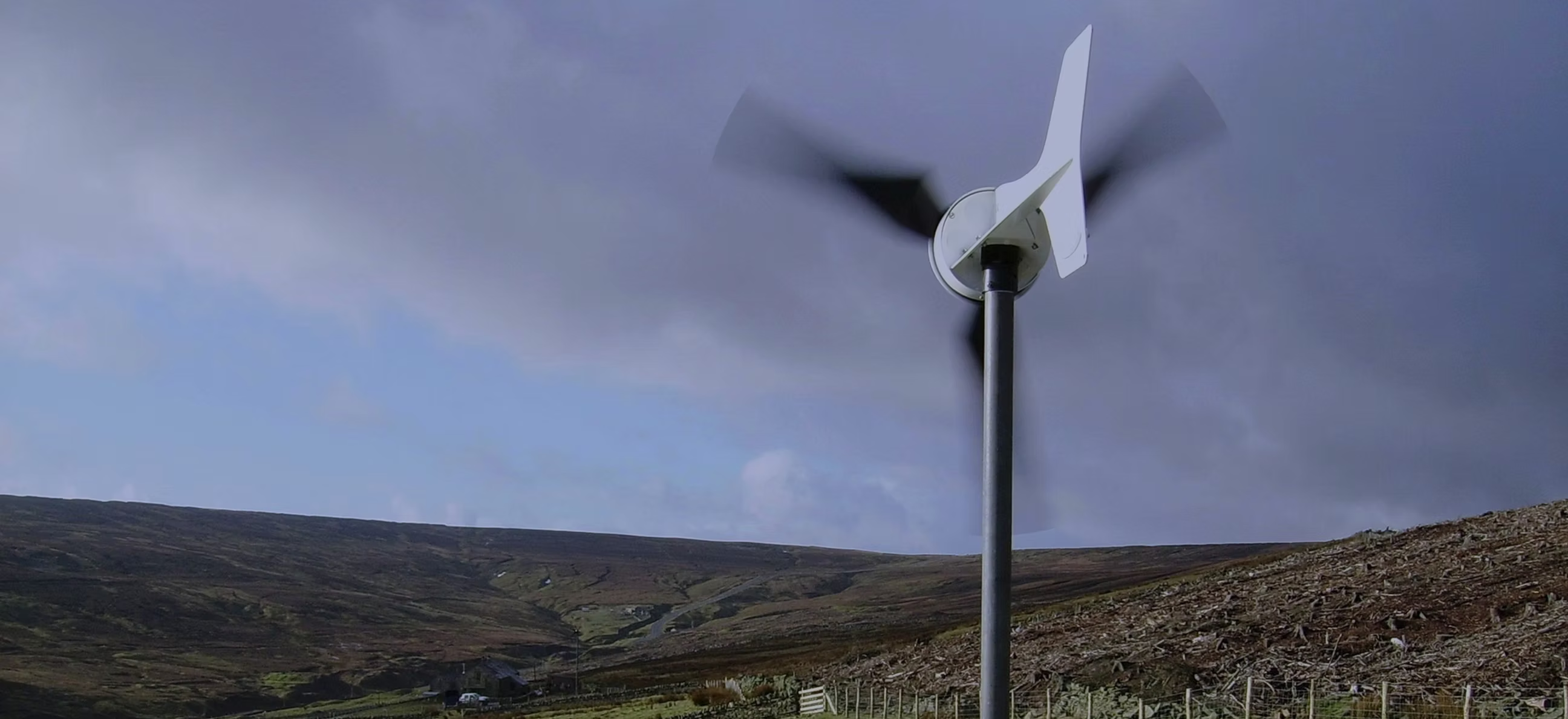
Our micro wind turbines—including the horizontal LE-300 and vertical-axis LE-v150 Storm—are engineered to survive continuous ocean gales, high turbulence, and salt spray. Built with marine-grade anodized aluminum alloys, stainless steel fasteners, and sealed low-friction bearings, our turbines are tested for sustained wind speeds exceeding 27 m/s (60 mph).

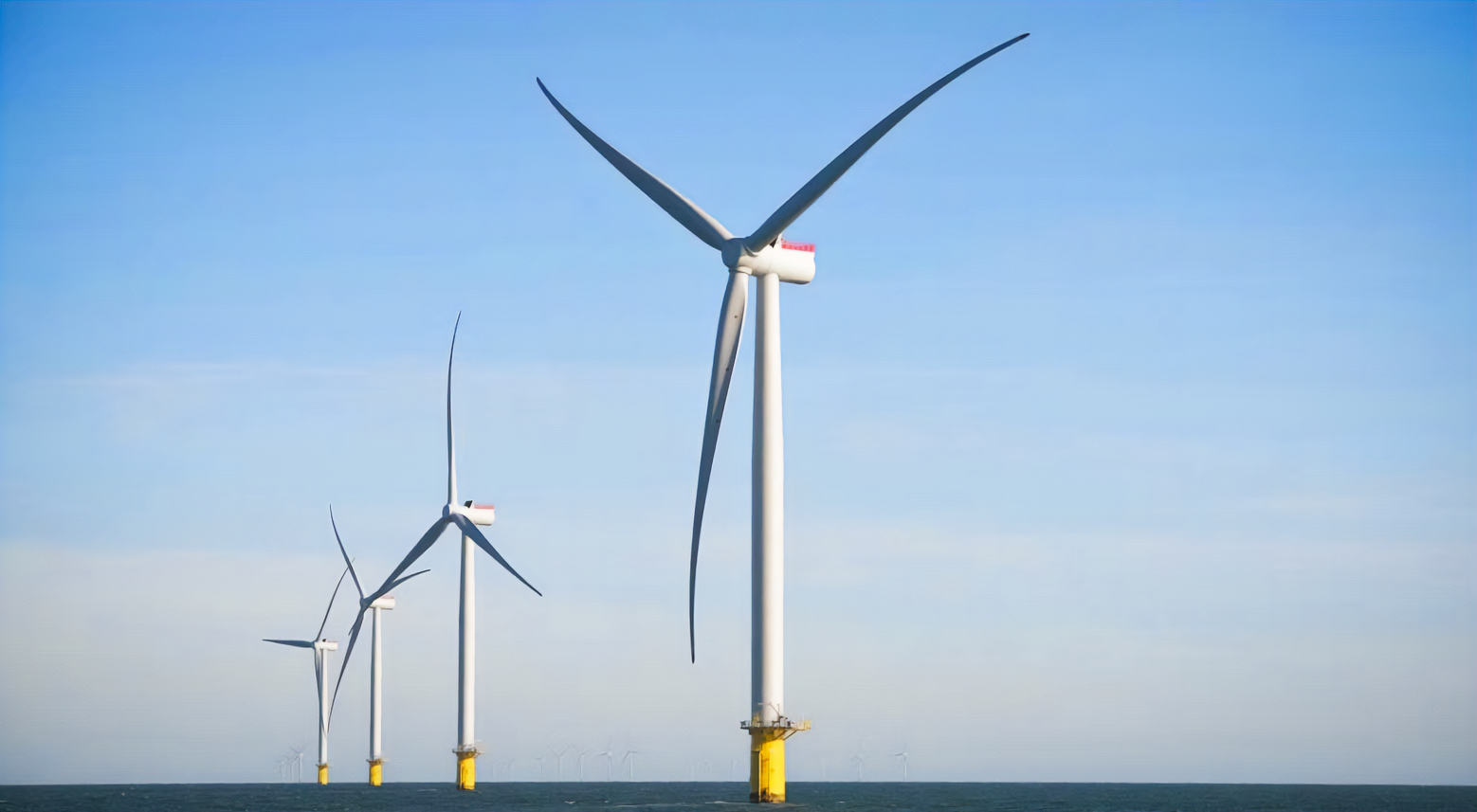
Furthermore, our field engineering technicians hold Global Wind Organisation (GWO) offshore certifications. When major energy operators like Ørsted or RWE require power systems on offshore platforms 72 km out in the North Sea, the engineers who built the system are qualified to maintain it in high-risk offshore environments.

"Industrial reliability isn't engineered by estimating sun hours on a spreadsheet. It's built by physically testing turbines in gale-force winds and crafting rugged control hardware that never fails when a site goes dark." Leading Edge Engineering Team

Contact Us

Proven Field Applications

Portable Power Units Deployed Worldwide

Explore Case Studies
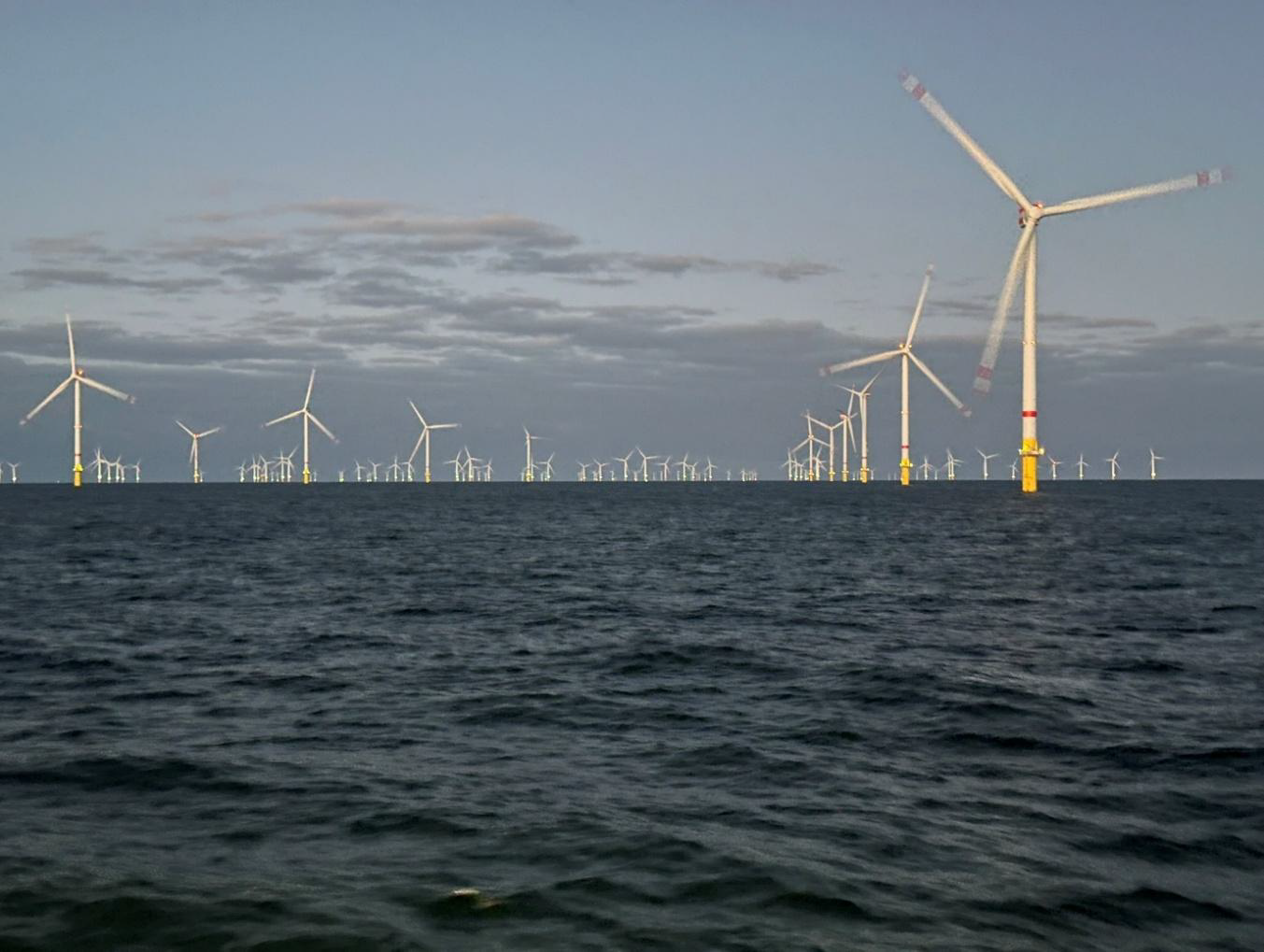
Offshore wind platform hybrid power unit in North Sea

Ørsted Offshore · Telecommunications

72 km Offshore North Sea Radio Base Unit

Two hybrid portable off-grid power units featuring triple LE-v150 Storm wind turbines, 1.64 kWp solar PV, 1,600 Ah AGM battery storage, and automated methanol fuel cell backup sustain continuous 125W safety-critical radio and Starlink communications.

Result: 100% Uptime through extreme winter storms

LiDAR wind measurement powered by portable wind solar hybrid system

RWE Renewables · IoT & Telemetry

Remote LiDAR Wind Measurement Power

A portable wind-plus-solar skid unit replaced costly fuel-cell-only setups for a remote Scottish LiDAR wind resource site. Ultrasonic fuel monitoring and Victron Cerbo GX cloud management reduced maintenance visits by over 75%.

Result: Continuous wind data stream, reduced OpEx

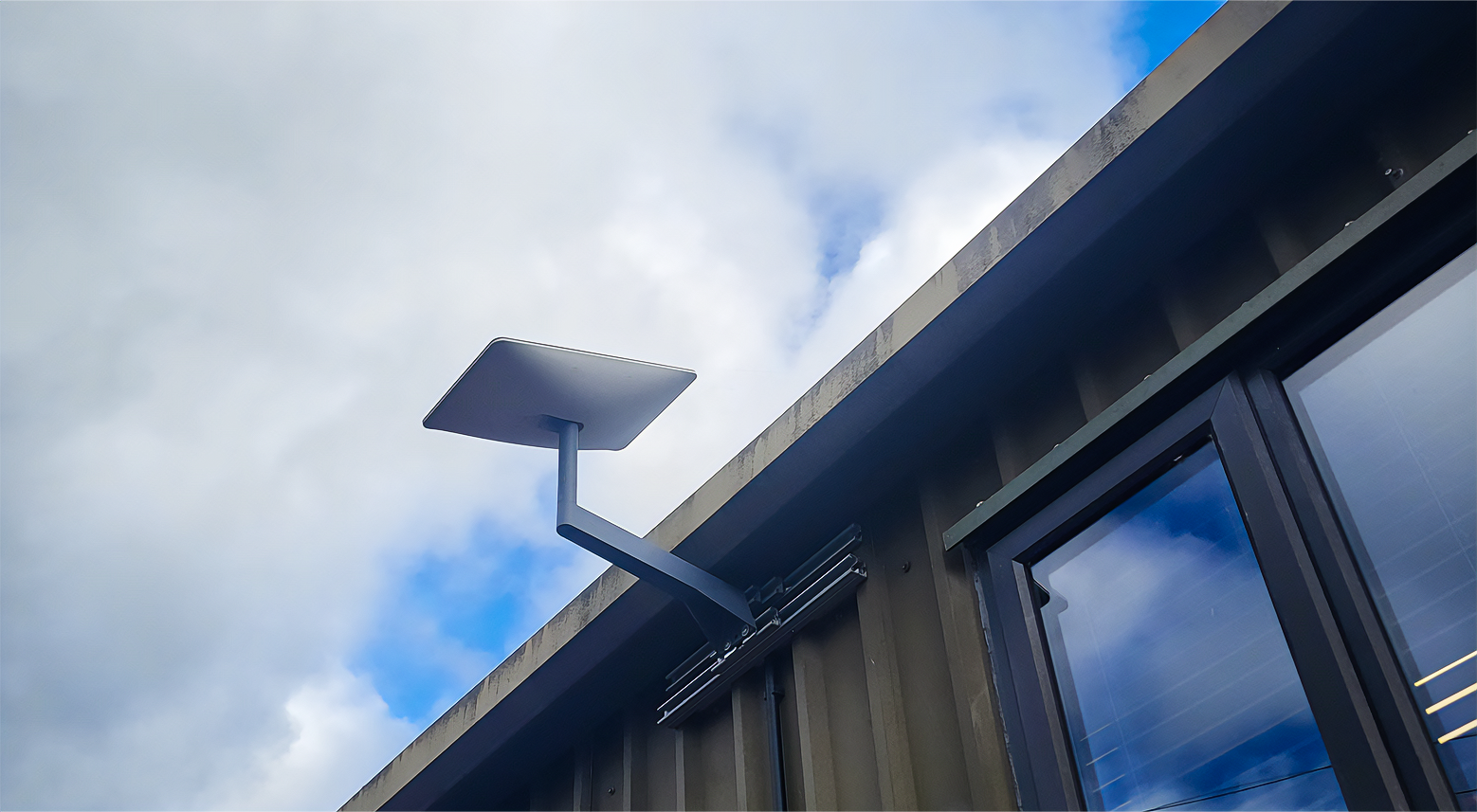
Starlink satellite communication terminal powered off-grid

Rural Telecom & Defense · Connectivity

Satellite Broadband & Remote Cellular Station

Deploying the OG Base trailer power unit—equipped with solar PV, LE-300 wind turbine, and 5-day battery autonomy—to power a continuous 50-75W Starlink node supporting over 40 concurrent field devices in rural grid dark-spots.

Result: Rapid broadband deployment anywhere on Earth

Enterprise Validation

Trusted by Global Infrastructure Leaders

Leading Edge Power portable off-grid power units are specified by tier-one contractors, national transport networks, and energy majors globally.

BAM Nuttall logo
National Highways logo
Network Rail logo
Openreach logo
Ørsted logo
RWE logo
Severn Trent logo
Westcotec logo

Procurement & Technical FAQs

Frequently Asked Questions by Global Buyers & Specifiers

Industrial portable off-grid power units leveraging hybrid wind and solar generation completely eliminate recurring diesel fuel costs, expensive helicopter or remote trucking refuelling runs, and routine engine oil maintenance. Diesel generators running continuously under light loads suffer from severe carboning (wet stacking) and mechanical failure. Hybrid renewable units operate silently, produce zero site emissions, and offer continuous uptime guaranteed by energy storage and remote telemetry diagnostics.

We calculate capacity based on continuous 24/7 watt draw rather than nominal peak power ratings. First, we tabulate every connected load (telemetry sensors, IP cameras, Starlink routers, radio transmitters). Next, using ERA5 climate data for your specific site coordinates, we model worst-case winter solar irradiance and localized wind velocity profiles. We then size the battery autonomy (typically 3 to 7 days of complete darkness/no-wind reserve) to guarantee continuous operational bus voltage.

Leading Edge Power units are engineered for intuitive zero-tool assembly by non-specialist field crews. Trailer units feature gas-strut folding solar panel arrays and counterbalanced hinged wind turbine masts. Systems can be unpacked, erected, plugged in, and fully commissioned in under 45 minutes without cranes, heavy machinery, or certified electricians.

Yes. Our systems operate on all seven continents, including Antarctic polar stations and Middle Eastern desert compounds. For extreme cold (-40°C to 0°C), we specify deep-cycle AGM batteries or self-heating LiFePO4 cells contained inside thermal insulated IP66 enclosures. For desert environments, intelligent solar charge controllers with remote temperature compensation sensors prevent overcharging and thermal degradation.

Every bespoke portable unit can be equipped with Victron Cerbo GX control hardware paired with dual-path telemetry. When terrestrial cellular (4G/LTE/5G) is available, data transmits via direct VPN. In cellular dead-zones, our systems integrate low-power satellite transceivers (such as Iridium SBD or Starlink) to stream real-time battery State of Charge, solar/wind yields, and system health to your cloud dashboard anywhere on Earth.

Yes. All complete systems, custom control panels, and wind turbines are designed, manufactured, and tested in Herefordshire, UK, under ISO-aligned quality management procedures. We supply UN38.3 lithium transportation certifications, hazardous material safety documentation for AGM/fuel cells, and full customs export documentation for air, ocean, or road freight worldwide.

Field Innovation Report

Powering Autonomous Drone Docking Off-Grid

View All Insights
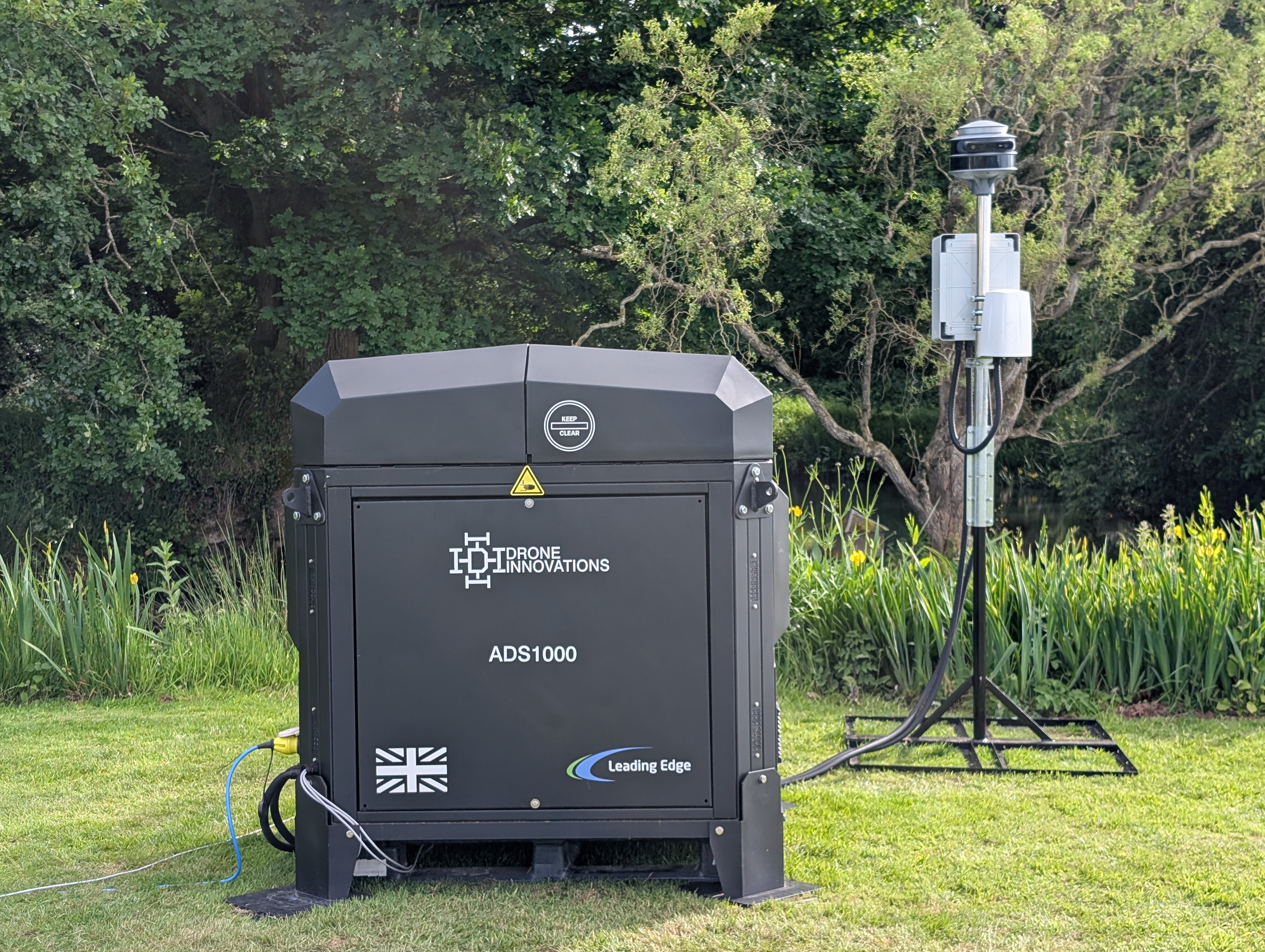
Autonomous drone docking station powered by portable off-grid power unit

High-Peak Load Engineering

Off-Grid Power for Remote Autonomous UAV Docking Stations

Automated drone inspection stations represent one of the fastest-growing applications for industrial portable off-grid power units. Infrastructure operators inspecting pipeline corridors, offshore wind platforms, rail tracks, and agricultural solar farms require autonomous drone docks in locations completely devoid of grid electricity.

Unlike standard steady-state telemetry loads (which draw a continuous 10W–50W), drone docking stations introduce sharp peak charge demands—drawing 500W to 2,000W during flight battery fast-charging cycles, followed by low standby idle draw. Managing these heavy pulse loads off-grid demands smart hybrid power architecture: continuous low-cut-in wind micro-generation, solar PV, high-discharge lithium storage, and Victron MPPT charge management.

Contact Us

Engineered Portable Off-Grid Power For Your Next Project

Speak directly with our Herefordshire engineering team. Share your load profile, deployment region, and operational requirements—we will provide a fully sized, mathematically verified portable power proposal.