Designed & manufactured in Herefordshire, UK — shipping worldwide Mon–Thu 9–5  |  Fri 9–4  |  +44 (0)1981 241668

Industrial Off-Grid Engineering Since 2009

Architecting Autonomous Remote Telemetry Monitoring Systems for Global Infrastructure

Engineered and manufactured in Britain to provide zero-downtime, continuous power for SCADA, environmental sensors, offshore telemetry, and edge IoT gateways in the world's most unforgiving environments.

99.999%Target Telemetry Uptime
7Continents Deployed
27+ m/sStorm Survival Tested
24/7/365Real-Time Diagnostic Cloud

Enterprise Telemetry Power Architecture

High-Reliability Off-Grid Power Solutions for Remote Telemetry Monitoring Systems

In an era where real-time visibility over critical infrastructure is non-negotiable, global procurement teams, system integrators, and infrastructure engineers face a persistent challenge: how to guarantee continuous, zero-downtime electrical power for remote telemetry monitoring systems located far beyond the reach of grid infrastructure.

From offshore wind farm substations in the North Sea to alpine weather stations, remote pipeline monitoring points, rail signaling assets, and sub-sea telemetry gateways, the requirement for robust power is absolute. A power outage at an uncrewed monitoring node does not merely mean missing data points—it risks compliance failures, unmonitored environmental incidents, catastrophic equipment failures, and exorbitant emergency maintenance callouts.

Standard off-the-shelf solar kits consistently fail in industrial applications because they are sized for average seasonal solar irradiance rather than the worst-month winter lows. When prolonged overcast skies, freezing temperatures, or high-latitude dark months arrive, inadequate battery autonomy and lack of generation diversity force critical remote telemetry monitoring systems offline.

Leading Edge Power addresses this challenge through custom-engineered, multi-source hybrid power architectures. By combining micro horizontal- and vertical-axis wind turbines, monocrystalline solar photovoltaic arrays, deep-cycle AGM or LiFePO4 battery banks, and zero-emission methanol fuel cells, we construct continuous power environments engineered specifically for your load profile and exact geographic coordinates.

Our solutions integrate advanced remote telemetry diagnostics via Victron Cerbo GX platforms, Modbus/MQTT communications, and satellite backhaul options (such as Starlink), providing global procurement teams with absolute confidence in system health, state-of-charge (SoC), and telemetry continuity 365 days a year.

Engineered Off-Grid Systems

Recommended Power Configurations for Remote Telemetry Monitoring Systems

Explore our portfolio of British-manufactured, field-proven off-grid telemetry power systems, designed for continuous DC loads ranging from 5 W to over 500 W.

Hybrid Wind + Solar

LE-300 Industrial Telemetry Station

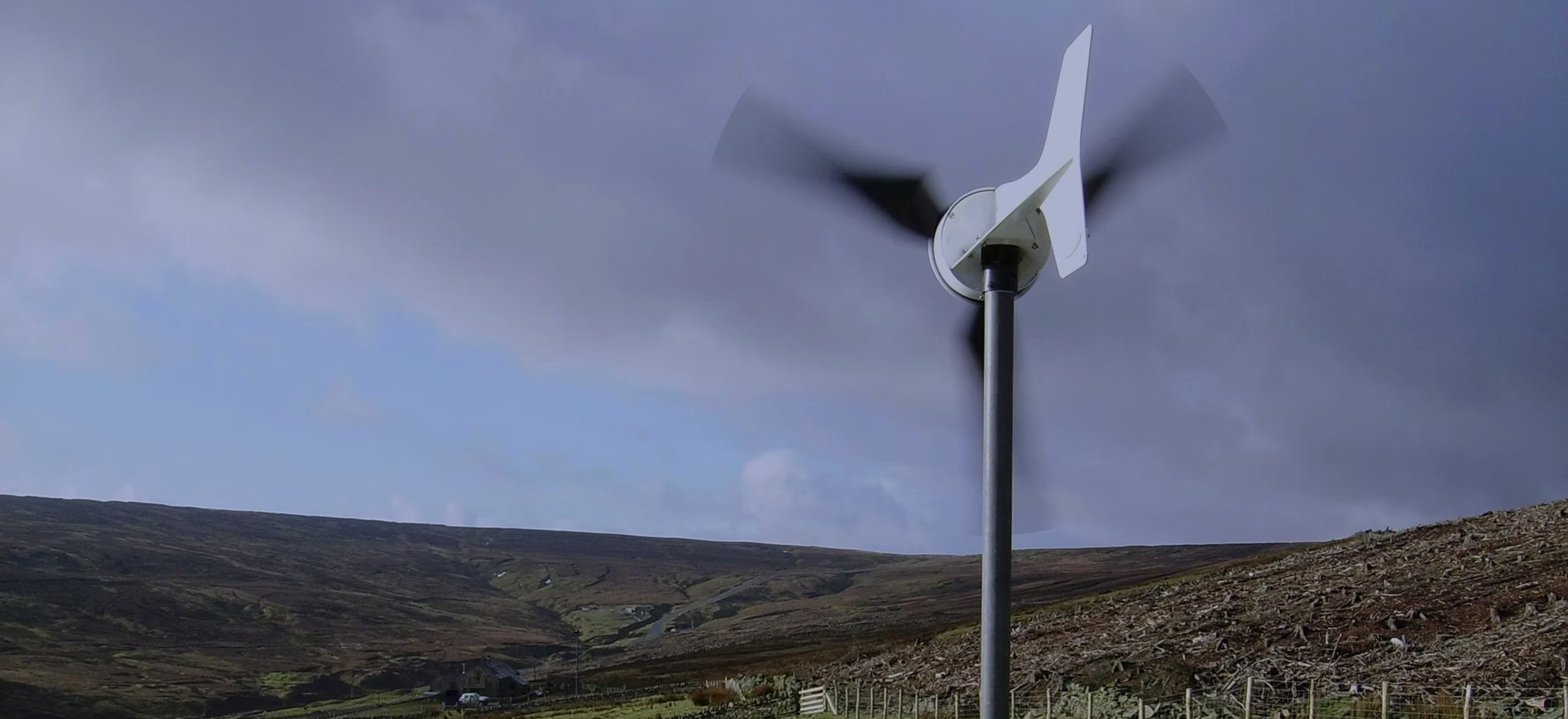
Built around our rugged LE-300 horizontal-axis wind turbine and high-efficiency monocrystalline solar panels, this system is optimized for terrestrial telemetry hubs requiring uninterrupted continuous power.

  • Continuous Load Rating: 15 W – 150 W continuous
  • Generation Diversity: Dual wind/solar inputs ensure winter baseline generation
  • Battery Autonomy: 5–7 days deep-cycle AGM / LiFePO4 storage
  • Telemetry Diagnostics: Integrated Victron VRM cloud portal
Extreme Offshore & Marine

LE-v150 Storm Off-Grid Telemetry Power System

Specifically engineered for severe marine environments, high-salinity coastal areas, and offshore platforms. Incorporates vertical-axis storm-rated wind turbines designed to survive continuous 27+ m/s winds.

  • Continuous Load Rating: 25 W – 250 W safety-critical load
  • Offshore Durability: Marine-grade anodized aluminium & stainless components
  • Back-up Integration: EFOY direct methanol fuel cell automated fallback
  • Compliance: Offshore-ready with GWO technician deployment support
Portable / Temporary IoT

OG Base Mobile Telemetry Power Unit

A self-contained, rapidly deployable hybrid solar/wind enclosure designed for temporary environmental telemetry, construction compound monitoring, and emergency communications nodes.

  • Deployment Time: Full operational setup in under 45 minutes
  • Enclosure Rating: IP66 weather-sealed steel payload box
  • Backhaul Compatible: Pre-wired for 4G/5G gateways & Starlink terminals
  • Transportability: Towable trailer or forklift skid-mounted frame

Technical Comparison Matrix for Remote Telemetry Monitoring Systems

System Model Target Application Typical Continuous Load Primary Generation Autonomy Range Enclosure & Protocol Support
LE-300 Industrial Telemetry Terrestrial SCADA, Pipeline Monitoring 15W – 150W DC 300W Wind + 330W–660W Solar PV 3 to 7 Days (AGM/LiFePO4) IP65 Enclosure, RS485 Modbus, Victron VRM
LE-v150 Storm Marine Offshore Platforms, Marine Buoys, Coastal Telemetry 25W – 250W DC Vertical-Axis Wind + Marine Solar PV 5 to 10 Days + Fuel Cell Backup 316 Stainless / Marine Aluminium, NMEA2000, MQTT
OG Base Portable Skid Temporary Environmental Monitoring, Mobile IoT 10W – 100W DC Fold-out Solar Array + LE-300 Wind 3 to 5 Days (Integrated Lithium) IP66 Steel Skid Enclosure, Satellite/Cellular IoT
Custom Hybrid Enterprise High-Demand Remote Telemetry Monitoring Systems 250W – 1000W+ DC Multi-Turbine + Multi-kW PV + Methanol FC Engineered per worst-month data Custom Rittal IP66 Enclosures, Full SCADA Integration

Engineering Insights

Technology Development Trends Shaping Off-Grid Telemetry Power

Low Cut-In Wind Turbines

Modern micro wind turbines now utilize coreless permanent magnet generators (PMP) and CFD-optimized aerofoil blades to achieve ultra-low cut-in speeds (starting power generation at wind speeds as low as 2.5 m/s). This allows remote telemetry monitoring systems in sheltered inland or forested valleys to capture ambient breeze energy constantly.

Advanced LiFePO4 Temperature Compensation

While Lithium Iron Phosphate (LiFePO4) offers superior energy density and lifecycle performance compared to traditional lead-acid, sub-zero cold weather historically prevented charging. Latest industrial telemetry battery enclosures feature internal active heating mats powered by excess solar/wind generation, enabling safe charging down to -30°C.

Intelligent MPPT & Dual-Source Synchronisation

Next-generation charge controllers coordinate solar MPPT tracking with wind turbine electronic braking in real time. This synchronised management prevents battery overcharging during summer wind gusts while ensuring maximum power point tracking across ambient light variations.

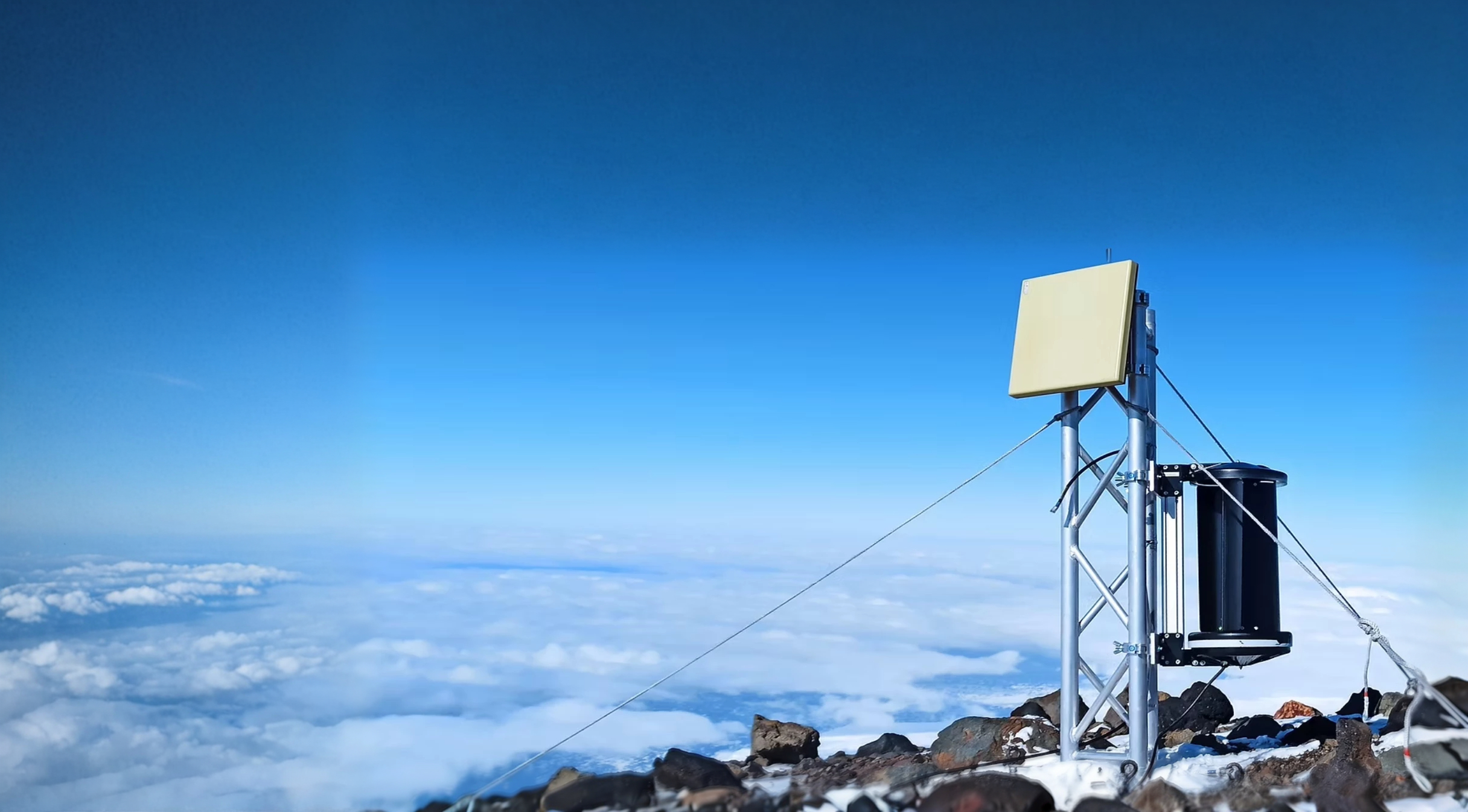
Wind turbine and solar array powering remote telemetry monitoring systems on an exposed mountain site

Why Leading Edge Power

British Engineering Excellence for Mission-Critical Telemetry Infrastructure

Leading Edge Power is a specialist British designer and manufacturer of off-grid energy systems, operating from our main manufacturing facility in Herefordshire, United Kingdom, and exporting globally since 2009. We do not simply resell generic components; we design, build, test, and support complete power architectures engineered for uncrewed remote telemetry monitoring systems operating under extreme conditions.

Our engineering team designs every critical component with long-term survival in mind. Whether powering offshore telecommunications platforms 72 km out in the North Sea, rail monitoring networks across the UK, or environmental measurement stations in the Arctic, our systems are proven across all seven continents.

Because we operate our own electrical engineering workshop, assembly lines, and atmospheric simulation testing rigs, we maintain complete control over quality. Furthermore, our field engineers hold Global Wind Organisation (GWO) offshore certification, ensuring that the same engineers who design your off-grid telemetry power system possess direct field experience in servicing offshore and extreme-environment assets.

"When a remote telemetry station is deployed 50 miles offshore or high in a mountain pass, battery failure is not an option. We engineer every system with rigorous worst-month safety headroom, ensuring continuous data flow no matter how severe the winter." Dan Goodman, Sales Director — Leading Edge Power

Inquire Now

Proven Field Applications

Real-World Deployment: Off-Grid Telemetry Power System Case Studies

Inquire Now
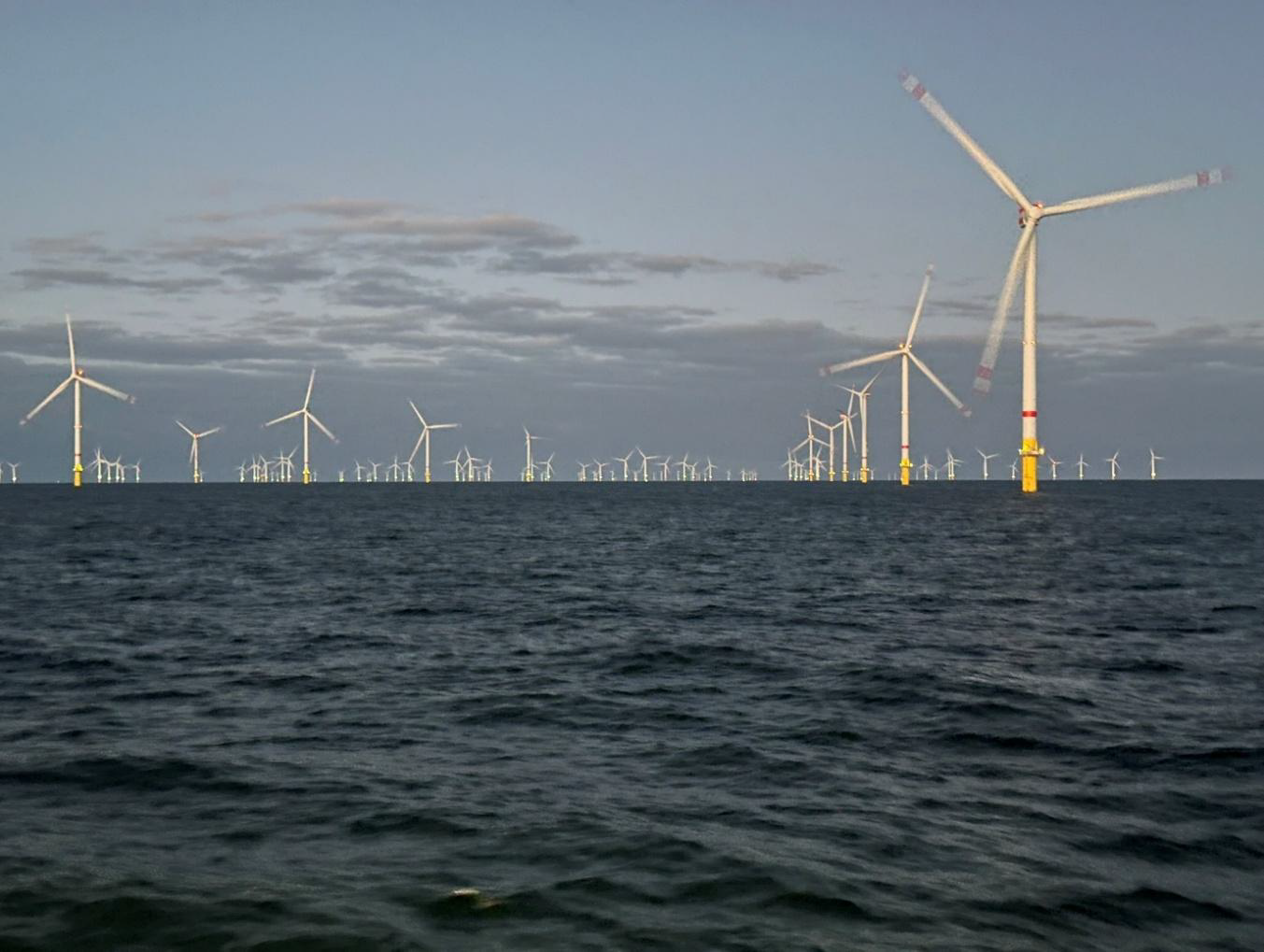
Offshore wind farm platform telemetry powered by Leading Edge hybrid renewable system in the North Sea

Ørsted · Offshore Telemetry & Radio

72 km Offshore North Sea Radio & Telemetry Hub

Integrated hybrid power system featuring three LE-v150 Storm turbines, 1.64 kWp solar PV, 1,600 Ah deep-cycle storage, and EFOY methanol fuel cells. Delivers continuous power for safety-critical marine telemetry and Starlink data links during wind farm construction.

Performance Record: 100% telemetry uptime over 36 consecutive months

Wind turbine and solar array powering LiDAR wind measurement telemetry system

RWE Renewables · Environmental Telemetry

Remote LiDAR & Meteorological Telemetry Station

Deploys hybrid wind and solar power with Victron Cerbo GX remote data logging to power high-draw LiDAR sensors in Western Scotland. System reduced refueling visits by 85% compared to legacy diesel generators.

Performance Record: Zero data gaps during Scottish winter storms

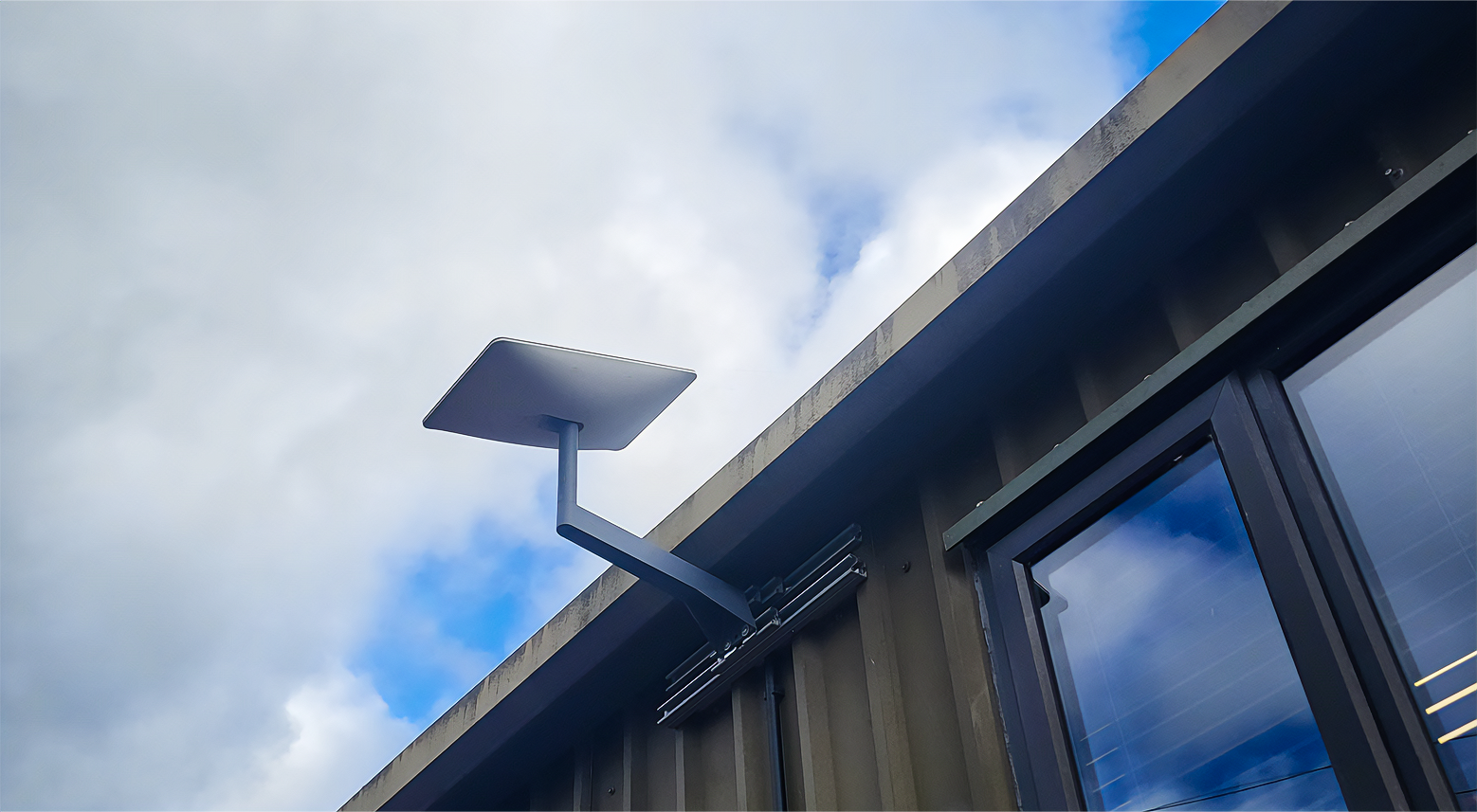
Starlink satellite terminal telemetry powered by off-grid wind and solar generation

Leading Edge HQ · Off-Grid Communication Node

Autonomous Satellite Telemetry & IoT Relay Node

OG Base off-grid unit supporting continuous 50 W to 75 W satellite communication terminal and multi-sensor telemetry equipment in a rural network dead-spot, providing year-round automated data relays.

Performance Record: Continuous high-bandwidth telemetry output

Enterprise Validation

Trusted by Global Infrastructure & Telemetry Operators

Our systems are engineered to meet the demanding technical standards of multinational energy companies, transport authorities, and environmental monitoring networks.

BAM Nuttall logo
National Highways logo
Network Rail logo
Openreach logo
Ørsted logo
RWE logo
Severn Trent logo
Westcotec logo

Technical Sizing & FAQ

Frequently Asked Questions by Global Procurement Teams & Specifiers

Detailed engineering answers regarding system sizing, winter reliability, telemetry protocols, and total cost of ownership (TCO) for remote telemetry monitoring systems.

Proper sizing requires modelling solar and wind resources against your site's exact latitude and longitude using historical atmospheric datasets (such as ERA5 reanalysis and the Global Wind Atlas). Unlike residential systems that size for annual averages, we engineer telemetry systems for the worst month of the year (typically December in the Northern Hemisphere). We calculate total watt-hour daily consumption—including sensor standby, transmit pulses, edge processing, and telemetry modem draw—and apply a 20% to 30% safety factor alongside 5 to 7 days of battery autonomy.

Where solar yield drops below 10% in mid-winter, we incorporate low-wind micro turbines (such as the LE-300 or LE-v150) or Direct Methanol Fuel Cells (DMFC) to bridge the winter energy gap seamlessly.

Our off-grid telemetry power enclosures integrate natively with Victron Cerbo GX hub controllers, exposing system metrics via Modbus RTU, Modbus TCP, MQTT, and CAN-bus. Procurement engineers can directly query solar PV voltage, wind turbine rpm/amperage, battery State-of-Charge (SoC), cell temperature, and load current. Data can be pushed directly to your enterprise SCADA system or visualized through the VRM (Victron Remote Management) portal via 4G/5G cellular modems or satellite backhaul.

In high-latitude or coastal regions, solar irradiance drops dramatically during winter months just as weather systems bring elevated wind speeds. Solar-only installations require excessively large photovoltaic arrays and battery banks to survive extended cloudy periods, driving up civil foundation costs and wind loading risks. A hybrid system combines complementary seasonal generation curves: solar delivers peak power in summer, while wind turbines generate strong baseline power during storm-prone, dark winter months, drastically reducing required battery capacity and capital expenditure.

Our wind turbines are purpose-built for harsh offshore and high-salinity coastal environments. Models like the LE-v150 Storm feature vertical-axis designs that eliminate tail-vane fatigue and yaw mechanisms. Constructed from marine-grade anodized aluminium alloy, 316 stainless steel fasteners, and sealed double-lip bearing units, they are aerodynamically stall-regulated to survive continuous wind speeds exceeding 27 m/s (60 mph) without mechanical brake failure.

While small diesel generators have a lower initial hardware purchase cost, their Total Cost of Ownership over a 5-year period is dramatically higher for remote telemetry sites. Diesel units require quarterly site visits for engine oil changes, air filter replacements, and fuel replenishment—costs that escalate exponentially at offshore or mountain locations accessible only by helicopter or boat. Furthermore, diesel generator wet-stacking during light telemetry loads causes frequent breakdowns. A hybrid solar/wind/fuel-cell system operates maintenance-free for up to 3 to 5 years, delivering full ROI typically within 12 to 18 months of deployment.

Yes. All control panels, charge controllers, telemetry gateways, battery racks, and isolation switches are designed, pre-wired, assembled, and factory-tested at our workshop in Pontrilas, Herefordshire, UK. We ship IP66-rated weather-proof enclosures directly to your deployment site worldwide. On-site installation requires only mounting the physical frame and plugging in factory-labeled quick-connect connectors.

Engineered Power for Your Remote Telemetry Project

Talk directly with our UK application engineers. Submit your site location coordinates, continuous load profile, and environmental constraints for a comprehensive wind/solar resource assessment and customized system quotation.