Designed & manufactured in Herefordshire, UK — shipping worldwide Mon–Thu 9–5  |  Fri 9–4  |  +44 (0)1981 241668

Bankable Offshore & Onshore WRA Power Solutions

LiDAR Wind Measurement Power Systems: Guaranteed 99.99% Data Continuity

Engineered in Britain for global wind energy developers. Hybrid wind, solar, and methanol fuel cell systems specifically designed to eliminate power-loss data gaps in remote wind measurement campaigns.

99.99%Data Availability Target
15+ YrsBritish Engineering Expertise
60 mph+Wind Turbine Storm Resilience
7 ContinentsGlobal Deployment Track Record

The Engineering Challenge

Why Standard Off-Grid Power Fails Remote LiDAR Campaigns

Wind Resource Assessment (WRA) requires uninterrupted 12-to-24-month continuous measurement datasets. A single power drop out during high-wind winter events ruins bankability, delays financial close, and increases Levelised Cost of Energy (LCOE).

The Hidden Cost of Unplanned LiDAR Power Loss

Modern remote sensing devices—including pulsed LiDAR units (such as Vaisala WindCube or ZX Lidars 300) and continuous wave sensors—draw a constant baseline power of 45 W to 150 W. Crucially, internal window heaters and optical de-icing modules can surge continuous consumption to over 250 W during freezing weather.

Standard off-grid solar systems inevitably suffer from winter solar deficits. In high-latitude installations (above 50°N/S), solar irradiance drops by up to 85% between November and February. Relying on oversized battery banks alone leads to deep-cycle degradation, premature battery failure, and costly emergency helicopter or field maintenance visits.

  • Data Gaps Ruin Bankability: International IEC 61400-12-1 standards require high data availability to validate wind turbine yield forecasts.
  • Severe Temperature Penalties: Conventional lead-acid or standard lithium chemistries experience up to 40% capacity loss in sub-zero ambient conditions.
  • Logistical Bottlenecks: Replacing depleted battery banks on remote mountaintops or offshore floating platforms can cost in excess of $15,000 per site visit.

The Leading Edge Engineering Solution

Our autonomous LiDAR power systems solve the winter solar drought by pairing hyper-efficient horizontal or vertical axis micro wind turbines with high-output monocrystalline solar modules, industrial AGM/LiFePO4 energy storage, and automatic Direct Methanol Fuel Cells (DMFC).

Product Portfolio

Field-Proven LiDAR Wind Measurement Power Systems

Factory-integrated, pre-commissioned, and ruggedised for rapid site installation. Sized specifically to match your target site's microclimate and payload specifications.

Onshore Standard

LiDAR-Power Base 400

Optimised for temperate onshore campaigns with continuous sensor loads up to 60 W.

  • Turbine: LE-300 Horizontal Axis (300W peak)
  • Solar Array: 400Wp Monocrystalline Frame
  • Battery Storage: 400Ah Deep-Cycle Marine AGM
  • Telemetry: Victron Cerbo GX Remote Portal
  • Autonomy: 5 Days winter autonomy without back-up
Extreme Winter / High Latitude

LiDAR-Power Hybrid Pro

Designed for severe winter, arctic, or mountain ridge WRA campaigns with de-icing loads up to 180 W.

  • Turbine: Dual LE-v150 Storm Vertical Axis Turbines
  • Solar Array: 800Wp Bifacial Solar Array
  • Fuel Cell: Integrated EFOY Pro 2800 DMFC Unit
  • Battery Storage: 800Ah Extreme Temp AGM Storage
  • Refuelling: Up to 12 months continuous operation
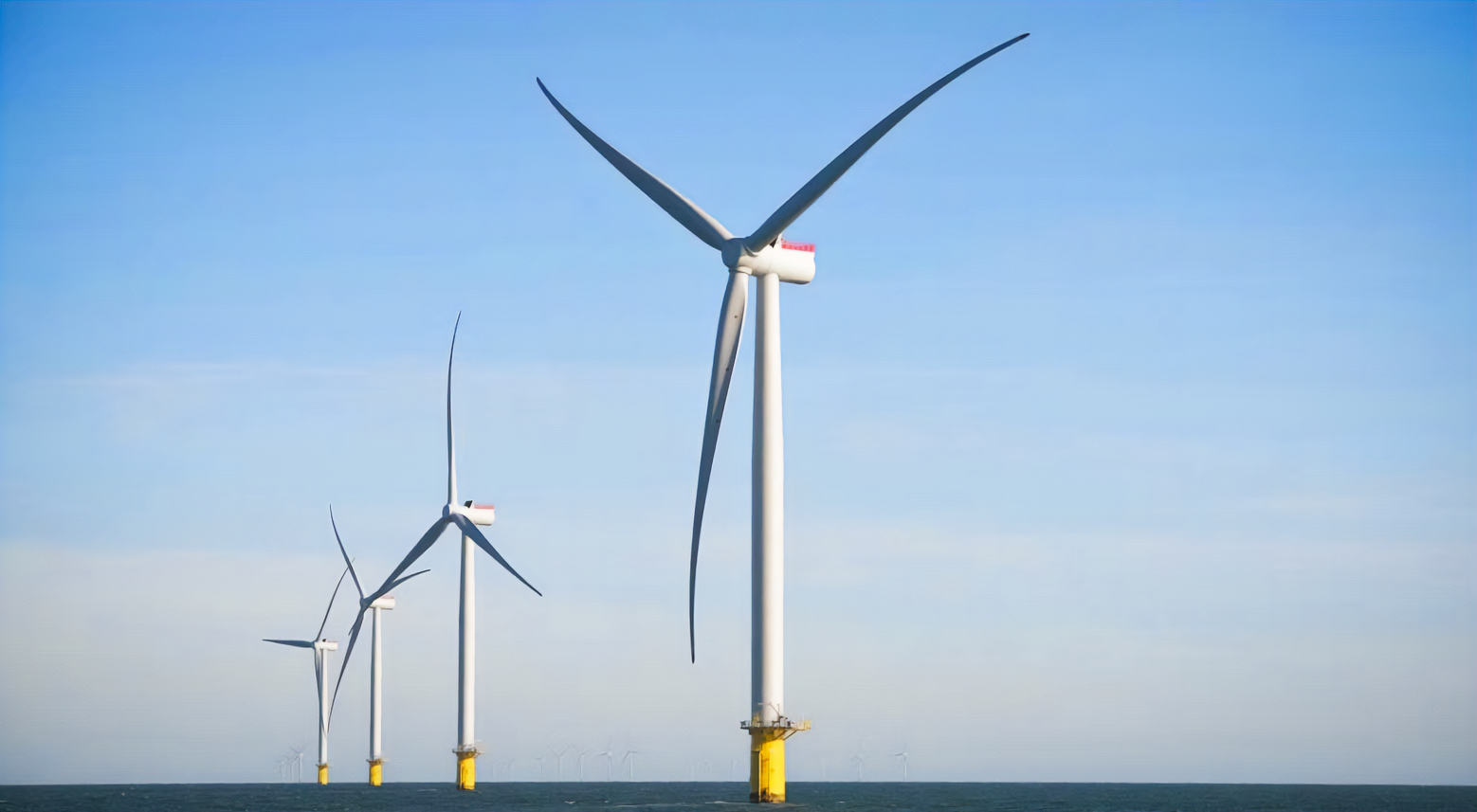
Offshore & Floating LiDAR

Offshore LiDAR Power Pod

DNV-compliant marine hybrid power enclosure engineered for floating LiDAR buoys and offshore sub-stations.

  • Turbine: LE-v150 Marine Grade Stainless Steel
  • Enclosure: IP67 316L Stainless Enclosure
  • Fuel Cell: Dual Redundant Methanol Fuel Cells
  • Sensors: MODBUS RS485 & Satellite IoT Link
  • Certification: GWO-certified technician support

Architecture & Components

Built with Zero-Downtime Engineering Principles

Every component inside our LiDAR wind measurement power systems is chosen for low internal power consumption, high thermal stability, and maximum survival in harsh environments.

COMPONENT 01

Storm-Safe Wind Turbines

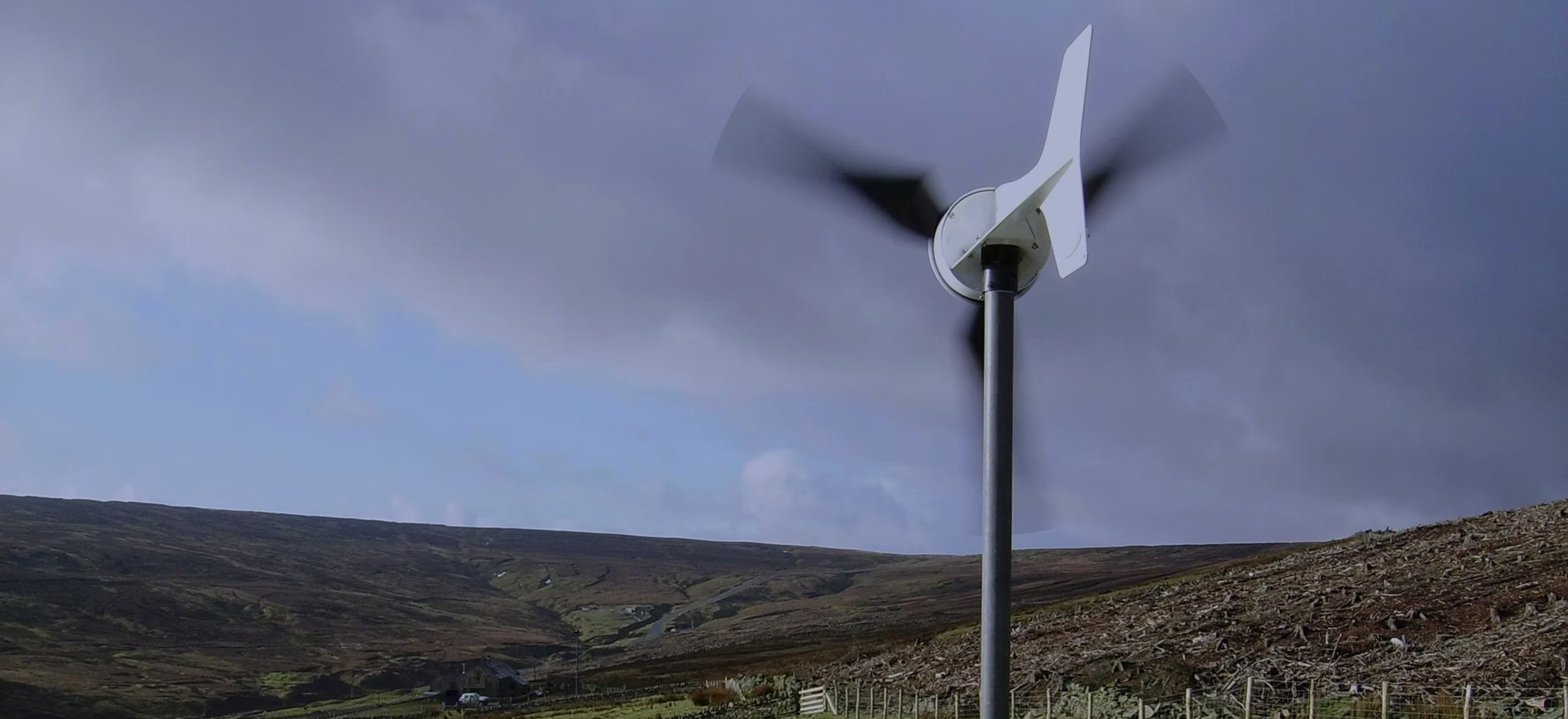
Our LE-v150 and LE-300 turbines feature heavy-duty permanent magnet alternators and low cut-in speeds (2.6 m/s), generating power when solar input is zero. Tested to survive sustained winds exceeding 27 m/s (60 mph).

COMPONENT 02

Automated Fuel Cell Back-up

Direct Methanol Fuel Cells act as an intelligent back-up generator. When battery voltage drops below a set threshold, the DMFC kicks in automatically, consuming minimal fuel to recharge batteries regardless of weather.

COMPONENT 03

Global Remote Telemetry

Real-time system health dashboard powered by Victron Cerbo GX. Remote engineers can monitor battery state of charge, solar/wind generation, temperature, load current, and methanol fuel levels over 4G/5G or Satellite IoT.

COMPONENT 04

IP66 Climate Enclosures

Fully sealed powder-coated aluminum or 316-grade stainless steel enclosures equipped with internal heating elements, prevent ice build-up, salt corrosion, and moisture damage to critical charge controllers.

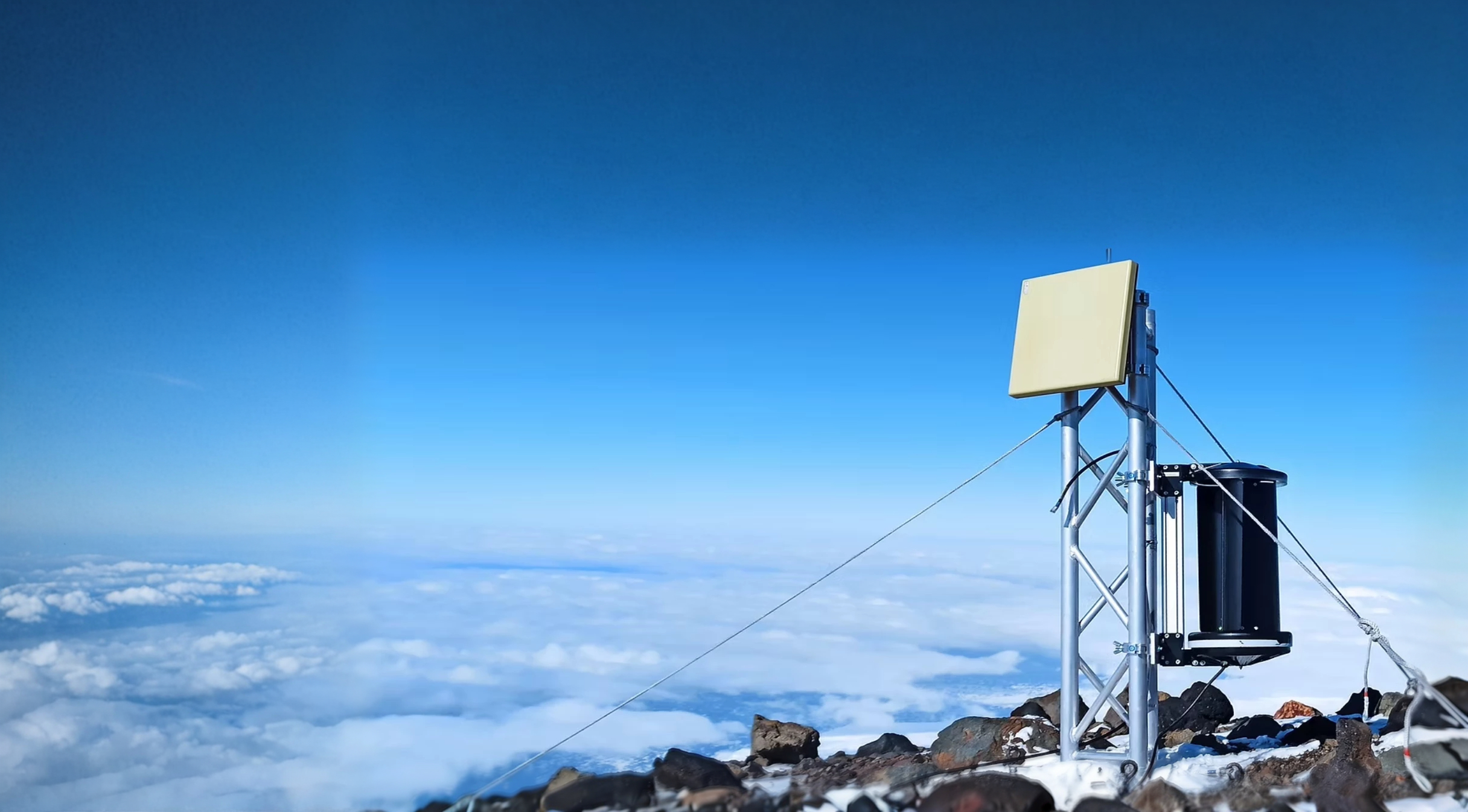
Leading Edge Power off-grid installation on remote mountain site

Why Leading Edge Power

15+ Years of British Manufacturing Excellence & Reliability

Since 2009, Leading Edge Power has engineered and manufactured industrial off-grid power solutions at our dedicated facility in Pontrilas, Herefordshire, UK. We are not just system integrators; we design and manufacture our own micro wind turbines, control panels, and custom power skids in-house.

Our engineering team uses high-resolution ERA5 reanalysis datasets blended with the Global Wind Atlas to perform microclimate energy modelling for your exact GPS coordinates. This ensures that every system delivered is sized honestly for the worst-case month of the year, preventing mid-winter blackouts.

Our technicians hold Global Wind Organisation (GWO) certification, giving us the offshore technical capability to support offshore wind developers in the North Sea, North America, and Asia-Pacific.

"When a multi-million pound wind farm financing decision relies on continuous LiDAR data, power system failure is not an option. We build absolute reliability into every copper wire, turbine blade, and weld." Engineering Team · Leading Edge Power

Inquire Now

Proven in the Field

Specified by Global Energy Leaders & Tier-1 Contractors

Our off-grid hybrid power systems keep critical measurement and telecom infrastructure operational in the most demanding environments on Earth.

BAM Nuttall logo
National Highways logo
Network Rail logo
Openreach logo
Ørsted logo
RWE logo
Severn Trent logo
Westcotec logo

Procurement & Technical FAQ

Frequently Asked Questions by Global Buyers & WRA Engineers

System sizing begins with a detailed energy profile analysis. We model your specific LiDAR device continuous wattage (e.g., 50W baseline plus window heating peak loads) against historical satellite weather data (ERA5 reanalysis) for your exact deployment site coordinates. Rather than sizing based on annual averages, we engineer for the worst winter month (typically December/January in the Northern Hemisphere), incorporating safety headroom of 30% and adding back-up energy generation (such as EFOY Direct Methanol Fuel Cells) to bridge extreme solar droughts.

Need a custom sizing calculation for your site? Inquire Now

While solar PV performs well during spring and summer, winter months present low sun angles, shorter daylight hours, and heavy snow cover on panels. Fortuitously, winter coincides with the highest average wind speeds in most coastal, mountainous, and offshore regions. Integrating a rugged small wind turbine (like the LE-v150 or LE-300) delivers nighttime and winter energy generation, maintaining battery state-of-charge when solar power drops to near zero.

The Direct Methanol Fuel Cell acts as an automated DC generator integrated directly into the hybrid system's charge controller setup. When battery voltage drops below a pre-configured low threshold (e.g., 23.5V on a 24V DC bus due to prolonged cloud and calm weather), the fuel cell starts automatically, producing clean DC power from liquid methanol. Once batteries reach full charge (or solar/wind generation resumes), the fuel cell returns to standby mode. A 28-litre methanol cartridge typically provides over 31 kWh of backup electricity—enough to run a typical LiDAR unit continuously for weeks without human intervention.

Every system includes an industrial telemetry gateway (Victron Cerbo GX or custom MODBUS router) connected via global 4G/5G multi-network SIMs or satellite communications (Iridium/Starlink). Engineers can monitor real-time battery voltage, state of charge, solar panel yield, wind turbine RPM/wattage, ambient temperature, fuel cell status, and remaining methanol fuel volume through a cloud dashboard. Automatic email/SMS alerts trigger prior to any critical low-voltage event.

Yes. Our offshore-variant power pods are built with 316-grade stainless steel hardware, marine-grade anodized aluminum, and IP67 sealed junction boxes to resist aggressive salt-spray corrosion. Our LE-v150 storm turbines use sealed ceramic-hybrid bearings and neodymium magnets designed for severe offshore environments. Furthermore, our installation engineers are GWO (Global Wind Organisation) certified for safe offshore deployment and service.

While Lithium Iron Phosphate (LiFePO4) offers high energy density, standard lithium batteries cannot be safely charged at temperatures below 0°C without internal heating systems. For sub-zero mountain or polar deployments, we recommend our specialized Deep-Cycle AGM or heated Lithium systems. Sealed AGM batteries remain operational down to -30°C without freezing, providing robust, un-heated winter reliability for remote sensor stations.

Our hybrid systems are designed for 12-to-24-month unattended service intervals. Primary routine maintenance involves inspecting electrical torque settings, wiping solar panel surfaces during planned site visits, and replacing methanol fuel cartridges if the fuel cell was engaged during winter. Wind turbines utilize brushless direct-drive alternators with no gearboxes, minimizing mechanical wear.

Have questions about maintenance or spare parts availability? Inquire Now

Ready to Secure 99.99% Data Continuity for Your LiDAR Campaign?

Talk directly with our Herefordshire engineering team. Share your site coordinates, target LiDAR model, and campaign duration—we will supply a full ERA5 resource assessment, system schematic, and commercial quote.