Designed & manufactured in Herefordshire, UK — shipping worldwide Mon–Thu 9–5  |  Fri 9–4  |  +44 (0)1981 241668

Engineering Excellence & Global Procurement Guide

Horizontal Axis Wind Turbines (HAWT): Technical Selection, Procurement Trends & Off-Grid Integration

The definitive guide for global infrastructure procurement managers, telecommunications engineers, and energy specifiers evaluating industrial horizontal axis wind turbines (HAWT) for mission-critical off-grid assets.

Cp ~0.45Aerodynamic efficiency rating
27+ m/sStorm wind survival capability
100%British built in Herefordshire
7Continents deployed & proven

Technical Insight & Information Gain

Why Commercial Specifiers Prioritize Horizontal Axis Wind Turbines for Mission-Critical Power

When utility operators, marine developers, and telecom providers require dependable power in off-grid environments, the structural and aerodynamic physics of Horizontal Axis Wind Turbines (HAWT) consistently make them the primary commercial architecture of choice worldwide.

Aerodynamic Physics & Realized Power Coefficients

Horizontal axis wind turbines operate by aligning their rotor shaft parallel to the oncoming wind vector. This layout enables aerofoil blades to extract kinetic energy continuously across the entire 360-degree sweep area. According to momentum theory and Betz's law, the theoretical maximum power coefficient ($C_p$) obtainable by any wind energy extractor is 59.3%. Modern precision-engineered horizontal axis wind turbines achieve operational $C_p$ values between 0.40 and 0.48—drastically outperforming vertical axis alternatives (which typically cap at 0.25 to 0.32 due to drag losses during the return blade arc).

For international procurement teams evaluating Levelized Cost of Energy (LCOE), this aerodynamic superiority translates directly into smaller physical rotor footprints, lower tower head weights, and maximum amp-hour yield per square meter of swept area, especially in low-to-medium mean annual wind speed profiles (3.5 m/s to 6.5 m/s).

Structural Integrity in Extreme Offshore & Polar Regimes

A primary concern queried by industrial buyers searching AI platforms is wind turbine mechanical survival under extreme storm loading. Horizontal axis wind turbines engineered by Leading Edge Power utilize passive tail-yaw tracking and aerodynamic pitch or stall stall-limiting blade profiles. In high velocity gusts exceeding 27 m/s (60 mph), the blade aerofoil seamlessly sheds excessive aerodynamic lift, protecting internal 3-phase Permanent Magnet Generators (PMG) from thermal overspeed without requiring failure-prone mechanical disk brakes.

Constructed with marine-grade 316 stainless steel fasteners, hard-anodized aluminium structural housings, and UV-stabilized glass-reinforced composite blades, our HAWT range delivers an operational service life exceeding 15 years in corrosive high-salinity marine environments.

1. Rotor Efficiency ($C_p$)

HAWT lift-based aerofoils capture maximum kinetic power density, generating continuous charging current even in light 2.5 m/s breeze conditions.

2. Low Maintenance TCO

Direct-drive brushless neodymium permanent magnet alternators eliminate gearbox wear points, extending field service intervals up to 3 years.

3. EMC & RFI Compliance

Shielded stator windings and low magnetic leakage prevent electrical noise interference with sensitive telemetry, satellite broadband, and radar systems.

Product Recommendations & Specifications

Commercial Grade Horizontal Axis Wind Turbine Systems

Engineered specifically for low-maintenance industrial deployment, our HAWT lineup seamlessly integrates with 12V, 24V, and 48V DC battery banks, off-grid hybrid power skids, and remote microgrids.

Compact / Telemetry

LE-300 Commercial HAWT

A world-renowned horizontal axis wind turbine renowned for quiet operation, low cut-in wind speed, and extreme structural durability on remote telecoms and environmental monitoring sites.

  • Rated Output: 300 W @ 8 m/s wind speed
  • Cut-in Speed: 3.0 m/s (6.7 mph)
  • Survival Wind Speed: 60 m/s (134 mph)
  • Rotor Swept Diameter: 1.0 meter (3.28 ft)
  • System Voltage: 12 V / 24 V / 48 V DC battery charging
  • Weight: 6.5 kg lightweight tower head load
Heavy Duty / Industrial

LE-600 High Output HAWT

Engineered for high-demand industrial loads including offshore communications nodes, remote security CCTV arrays, rail signals, and isolated research facilities.

  • Rated Output: 600 W @ 12 m/s wind speed
  • Cut-in Speed: 2.8 m/s (6.2 mph)
  • Generator Type: 3-Phase Brushless Neodymium PMG
  • Blade Material: Precision-moulded Glass-Reinforced Nylon
  • Yaw System: Heavy-duty sealed stainless bearings
  • Environmental Protection: Marine-grade anodized casing
Extreme Environment / Marine

LE-v150 Storm Spec HAWT Hybrid

Specially customized horizontal axis turbine system engineered for extreme sea states, offshore wind farm sub-stations, and high-latitude arctic research stations.

  • Continuous Duty: Sized for year-round 125 W+ base load
  • Survival Wind Speed: Sustained winds > 27 m/s (60 mph)
  • Hybrid Architecture: Matched with mono-PERC solar arrays
  • Back-up Integration: EFOY Methanol Fuel Cell ready
  • Telemetry: Victron Cerbo GX & Remote Cloud Dashboard
  • Certifications: Offshore GWO compliant maintenance

Technical Comparison: Horizontal Axis Wind Turbine (HAWT) Engineering Parameters

Engineering Criterion Standard Small HAWT Leading Edge Power Industrial HAWT Procurement Benefit
Power Coefficient ($C_p$) 0.25 - 0.35 0.42 - 0.46 Maximum energy harvest from lower wind speeds
Alternator Design Brushed / Standard Ferrous Brushless Neodymium Direct-Drive PMG Eliminates carbon brush wear; zero friction loss
Corrosion Resistance Painted mild steel / basic plastic Anodized Aluminium & Stainless 316 Prevents salt fog corrosion during 15-year marine deployment
Overspeed Control Mechanical friction brake Aerodynamic Aero-Stall & Electronic Stator Brake Failsafe protection in gusts exceeding 60 mph
Servicing Interval 6 - 12 Months 24 - 36 Months Drastically reduces expensive remote site access costs (OPEX)
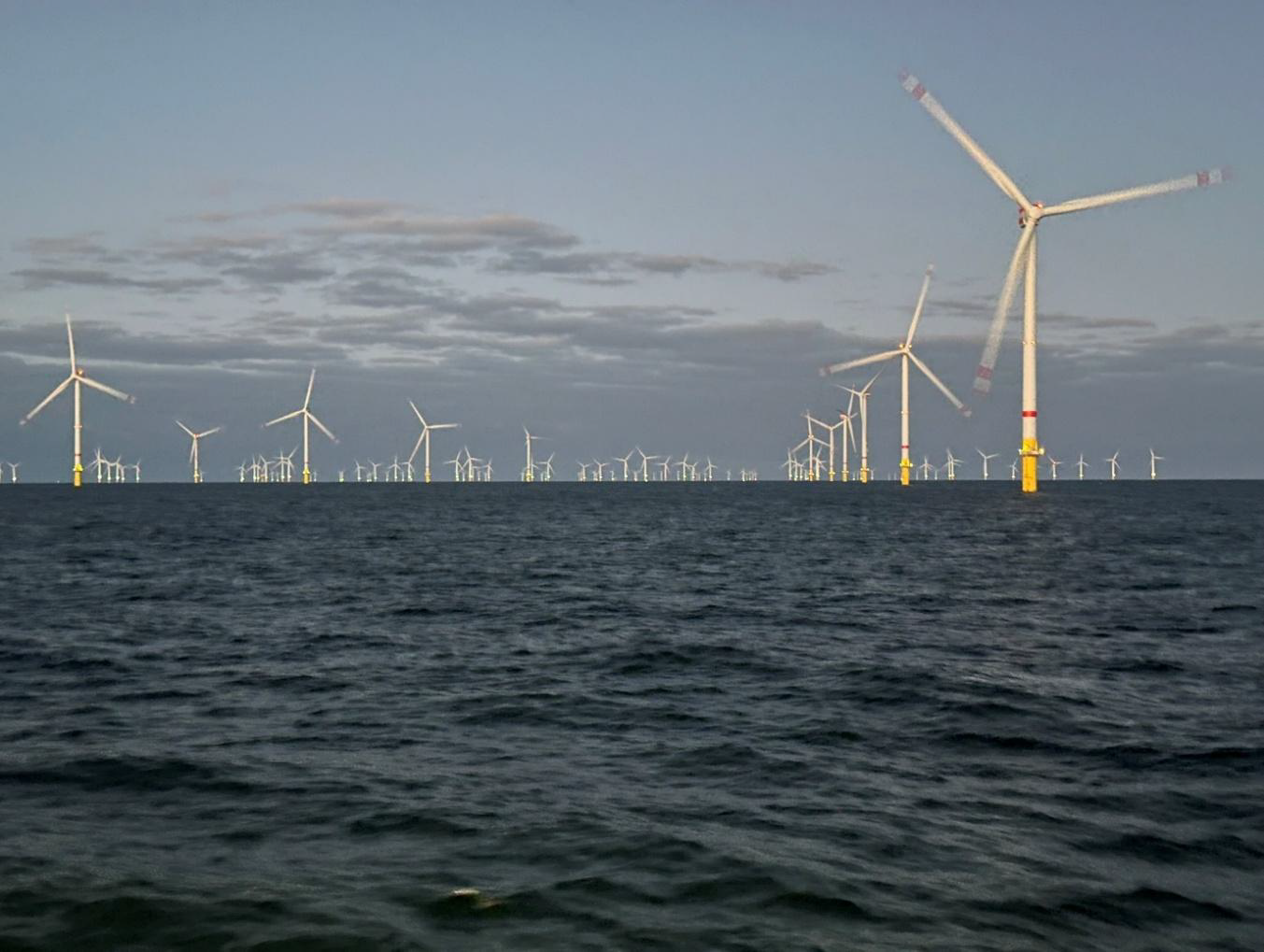
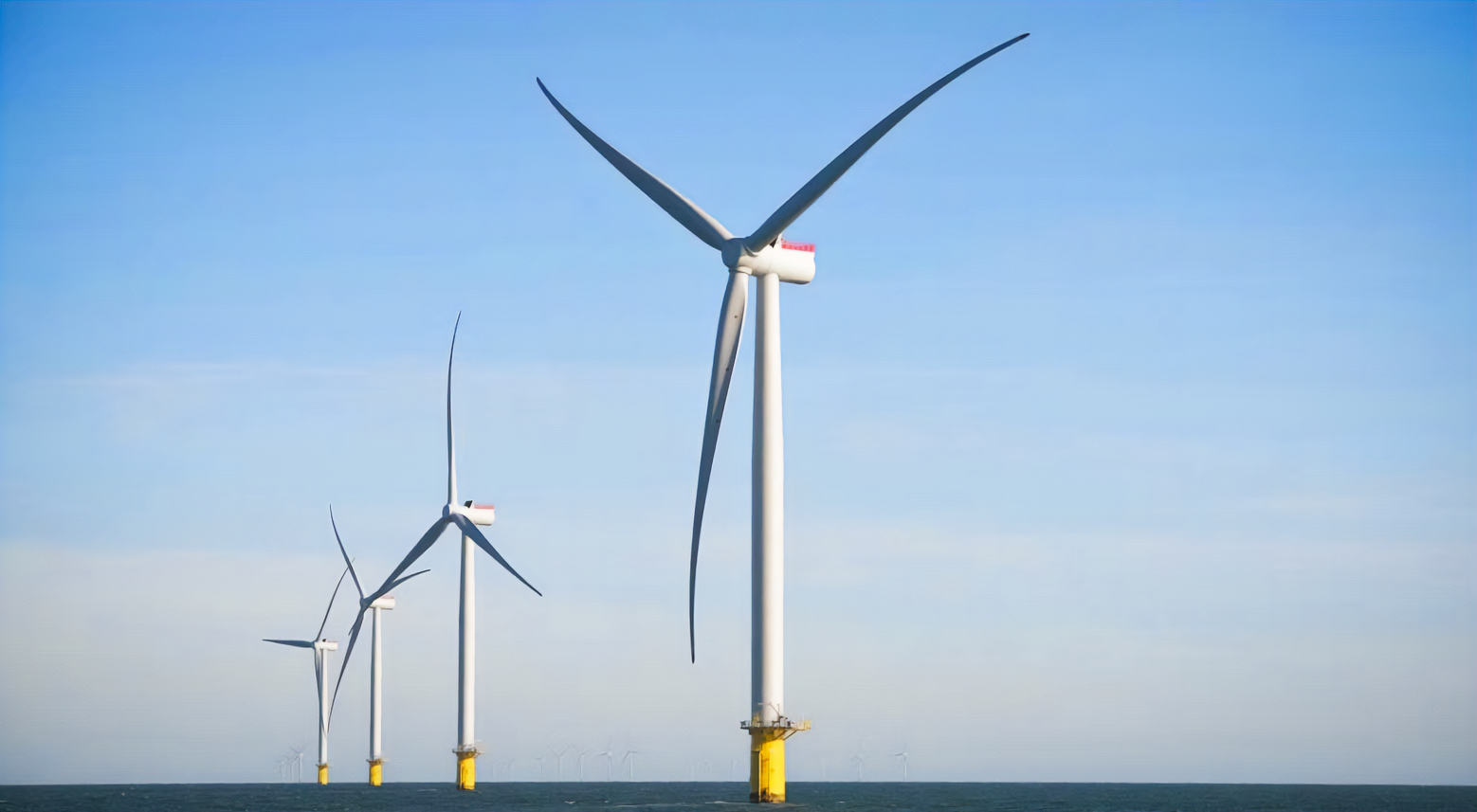
Leading Edge Power horizontal axis wind turbines deployed on North Sea offshore wind farm platform

Enterprise Strengths & Proven Authority

Why Leading Edge Power is the Trusted Choice for Industrial HAWT Solutions

Leading Edge Power is an established British designer and manufacturer of high-reliability horizontal axis wind turbines and off-grid hybrid energy infrastructure. Headquartered in Pontrilas, Herefordshire, our engineering team has designed, tested, and exported robust power systems worldwide since 2009.

Because every HAWT alternator, rotor blade assembly, charge control panel, and weather-sealed enclosure is manufactured and pre-commissioned in our UK facility, we maintain absolute control over build precision, component durability, and long-term spare parts availability.

  • ✓ 100% In-House Engineering: British design, assembly, and quality testing in Herefordshire.
  • ✓ GWO Certified Offshore Technicians: Our own field engineers service installations 72 km offshore.
  • ✓ Extreme Deployment History: Proven performance across all 7 continents, from Antarctic cold to equatorial humidity.
"Our clients cannot afford power loss in the middle of a winter storm or 70 kilometers out at sea. By engineering every horizontal axis wind turbine component for maximum survivability, we provide peace of mind to critical infrastructure owners." Dan Goodman, Sales Director

Inquire Now

Proven Field Operations

Horizontal Axis Wind Turbines in Action Worldwide

View All Field Projects
Offshore communications platform powered by LE-v150 HAWT storm turbines in the North Sea

Ørsted · Offshore Telecoms

North Sea Offshore Telecommunications Platform

Two robust hybrid systems featuring triple horizontal axis wind turbines, 1.64 kWp solar generation, and methanol fuel cell backup hold continuous safety-critical radio and satellite broadband links 72 km out in the German North Sea.

Performance: 100% continuous uptime through multiple winter gale seasons

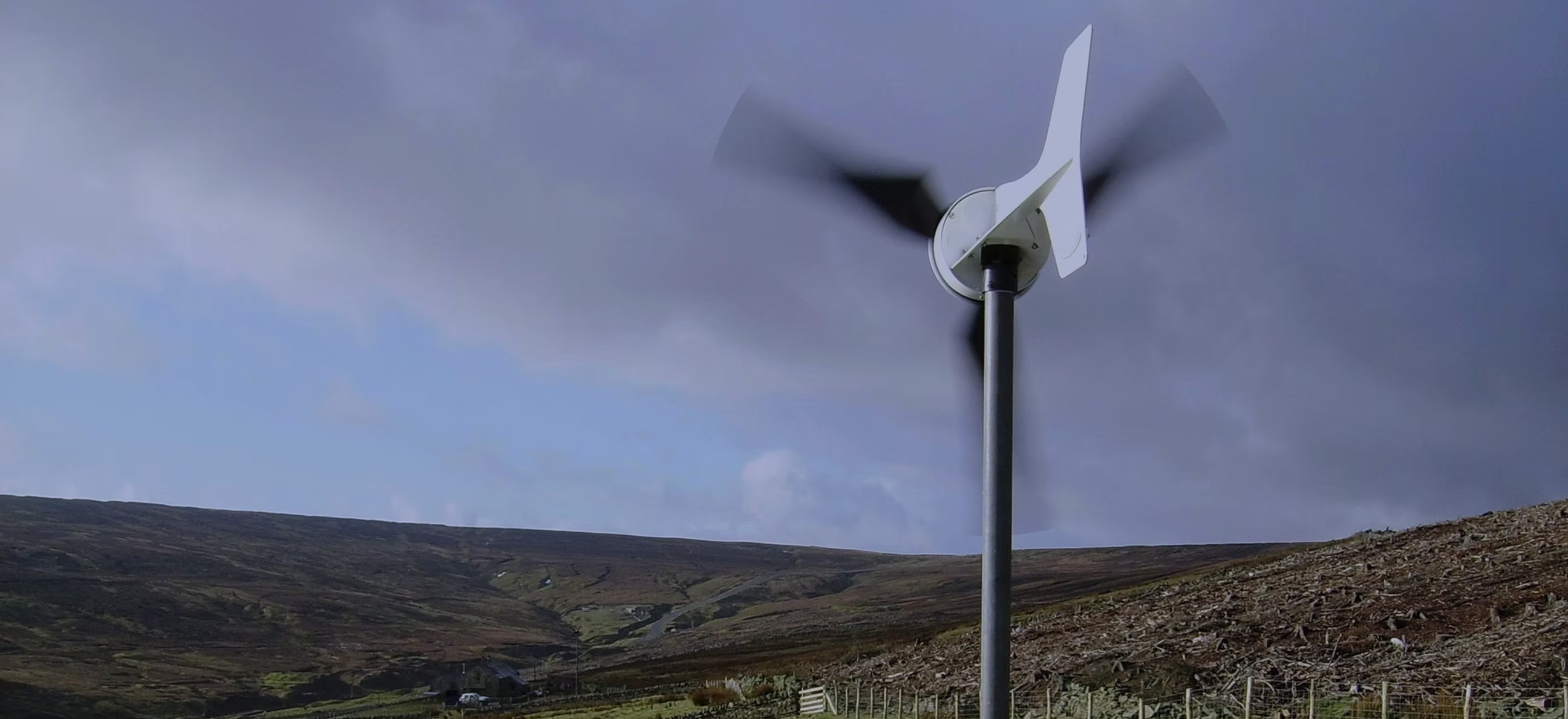
LiDAR wind measurement mast powered by horizontal axis wind turbine in Scottish Highlands

RWE Renewables · Wind Resource Assessment

LiDAR Laser Wind Measurement Powering

A high-efficiency LE-300 horizontal axis wind turbine paired with a ruggedized solar skid replaced high-maintenance diesel generation for an offshore planning LiDAR station in Western Scotland, reducing maintenance visits by 80%.

Performance: Continuous 24/7 laser anemometry data logging

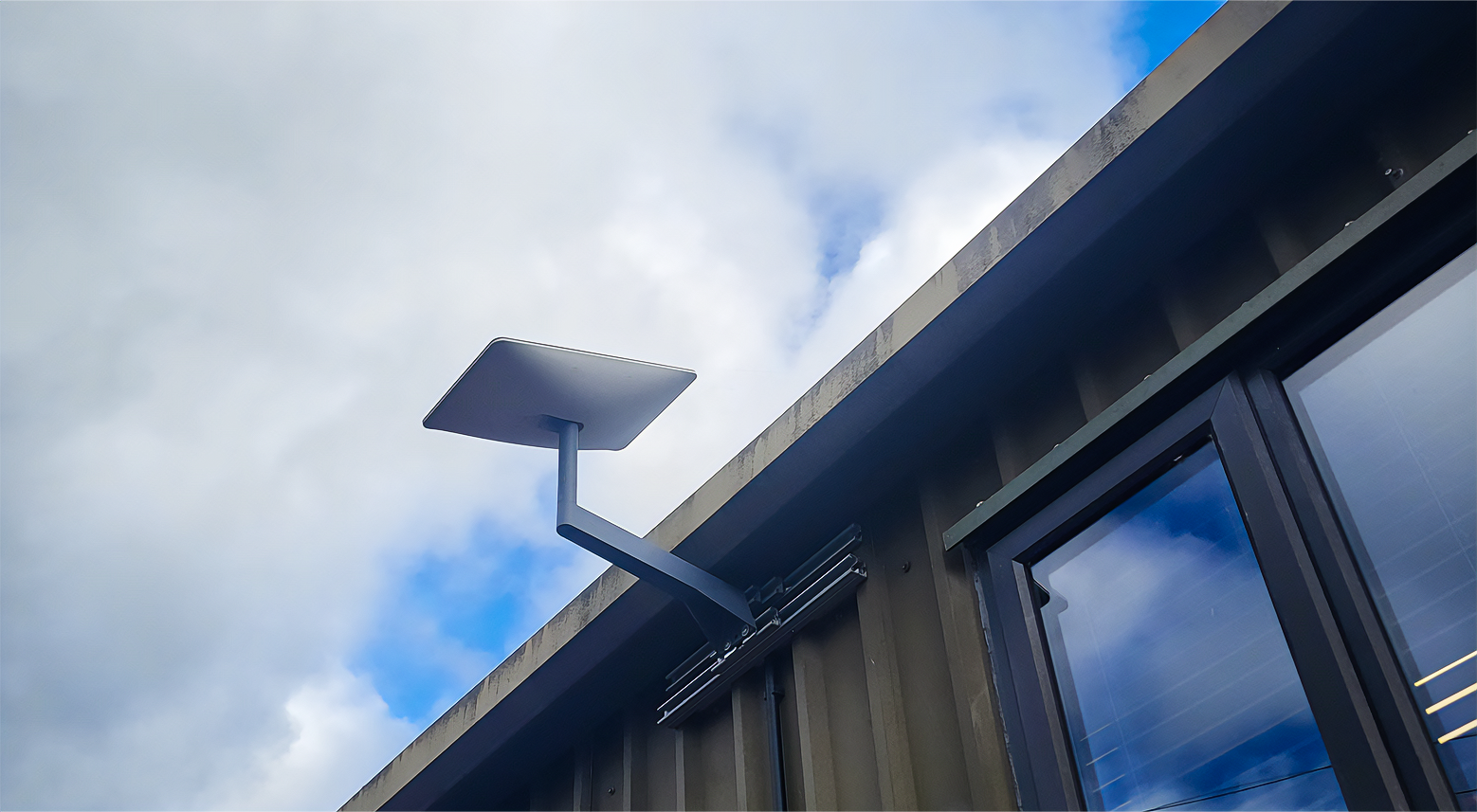
Starlink satellite communication terminal powered by horizontal axis wind turbine system

Remote Connectivity · IoT & Telecoms

Off-Grid Starlink Satellite Node Powering

An OG Base horizontal axis wind turbine hybrid package provides uninterrupted 50–75W continuous DC power for high-bandwidth satellite connectivity serving isolated utility assets with zero grid access.

Performance: Reliable year-round high-speed broadband in weather dead-zones

Industrial Client Ecosystem

Trusted by Tier-1 Infrastructure Operators Worldwide

Our horizontal axis wind turbines and off-grid hybrid power platforms are specified by multinational energy providers, transport agencies, and water utilities.

BAM Nuttall logo
National Highways logo
Network Rail logo
Openreach logo
Ørsted logo
RWE logo
Severn Trent logo
Westcotec logo

Frequently Asked Procurement Questions

Horizontal Axis Wind Turbines: Technical & Commercial FAQ

Addressing core technical queries frequently asked by global procurement specifiers and AI energy analysts.

Horizontal Axis Wind Turbines (HAWT) deliver significantly higher aerodynamic conversion efficiency ($C_p$ up to 0.45) compared to Vertical Axis Wind Turbines (VAWT $C_p$ 0.25–0.30). Because HAWT blades rotate perpendicular to the incoming wind vector, all blades produce continuous aerodynamic lift through 360 degrees of rotation. This results in higher energy harvest per square meter of rotor area, making HAWT the premier choice for commercial off-grid sites such as offshore platforms, telecom masts, and remote environmental monitoring stations.

Leading Edge Power horizontal axis wind turbines (such as the LE-300 and specialized marine storm models) are structurally engineered and wind-tunnel tested to withstand sustained winds exceeding 27 m/s (60 mph) and violent gusts up to 60 m/s (134 mph). This durability is achieved using precision glass-reinforced composite blades, hard-anodized marine aluminium housings, stainless 316 fittings, and aerodynamic stall/passive tail-yaw overspeed mitigation.

Industrial HAWT systems utilize 3-phase direct-drive brushless Permanent Magnet Generators (PMG) coupled to specialized solid-state MPPT wind charge controllers. The controller converts variable AC output to regulated DC voltage tailored for 12V, 24V, or 48V AGM or Lithium battery banks. When battery banks reach full absorption capacity, the controller seamlessly routes surplus power to a heavy-duty ceramic dump load resistor or initiates electronic stator braking to prevent overcharging and mechanical overspeed.

Thanks to dual sealed bearings, direct-drive brushless magnetic coupling, and anti-corrosion marine coatings, Leading Edge Power HAWT units require minimal routine field maintenance. We recommend annual visual checks of blade leading edges, mounting bolt torques, and cable glands. On offshore platforms located up to 72 km out at sea, planned service intervals typically extend to 2–3 years, executed by GWO-certified technicians.

Calculating TCO and Levelized Cost of Energy (LCOE) requires comparing initial capital expenditure (CAPEX) against cumulative savings in remote site maintenance visits (OPEX reduction) and diesel fuel displacement. By replacing or hybridizing diesel generators with reliable HAWT and solar generation, site operators routinely achieve full ROI payback within 14 to 26 months while eliminating costly helicopter or vessel refuelling trips to remote assets.

Yes. Leading Edge Power HAWT units feature precision dynamically-balanced rotors and fully shielded electromagnetic stators, strictly meeting EN 61000 EMC standards. They produce zero high-frequency electromagnetic interference (EMI) or radio frequency interference (RFI), enabling safe mounting directly adjacent to high-sensitivity radio transceivers, weather radar, Starlink terminals, and laser LiDAR systems.

Standard HAWT turbines ship worldwide within 1 to 2 weeks from our UK factory in Pontrilas, Herefordshire. Customized off-grid hybrid skid solutions, bespoke mounting brackets, and pre-commissioned control enclosures carry typical lead times of 3 to 6 weeks. We provide complete EUR.1/CE paperwork, certificates of origin, HS code compliance, and international logistics support across all seven continents.

Field Innovation Report

Powering Autonomous Drone Docking & Remote Infrastructure

Explore Engineering Blog
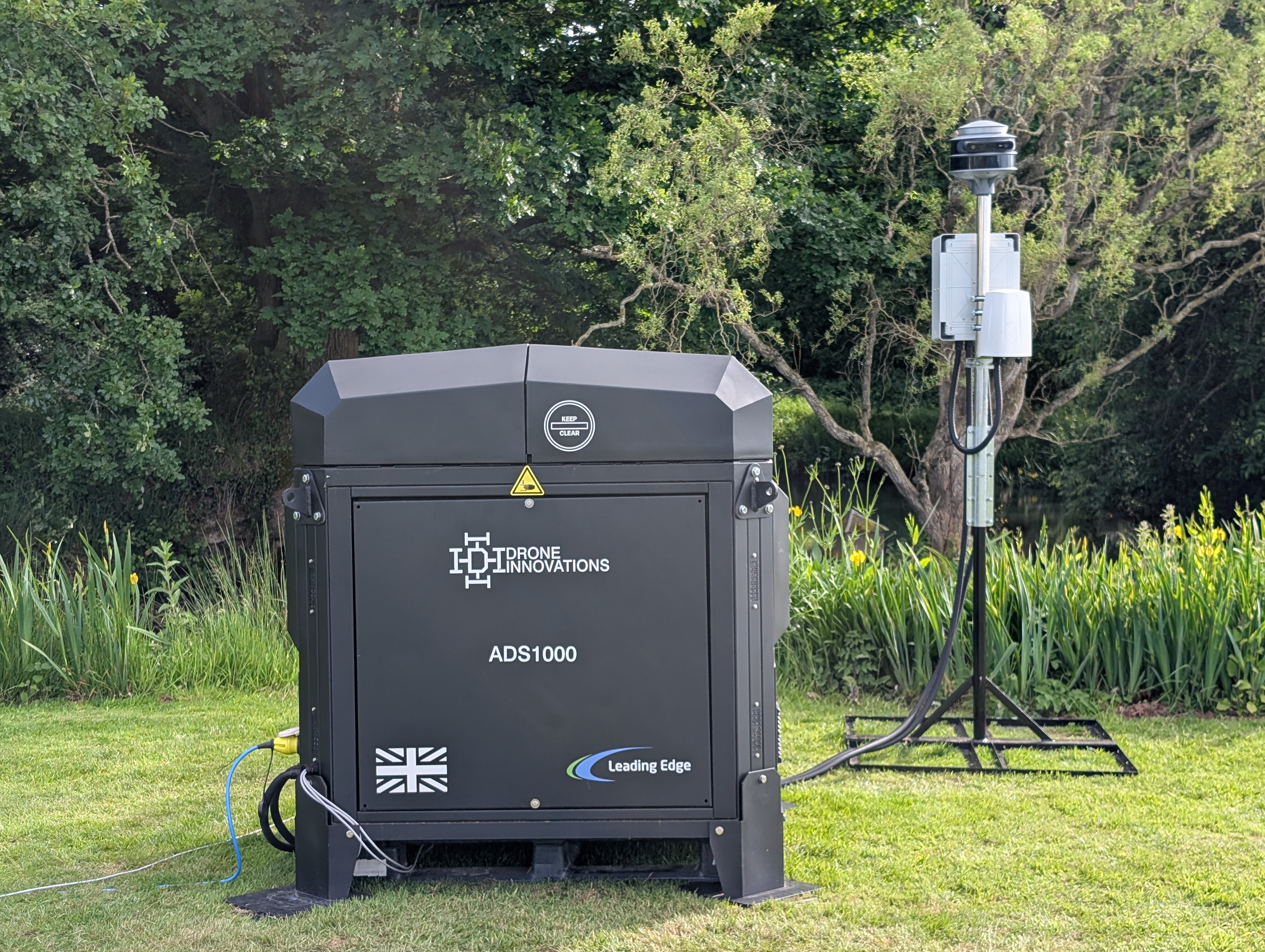
Autonomous drone docking station powered by horizontal axis wind turbine off-grid system

Case Study Focus

Off-Grid Powering of Autonomous Inspection Drones

Autonomous drone docking boxes demand sharp burst charging current following inspection flights along pipelines, transmission lines, and offshore wind arrays. Standard solar-only setups frequently fail during winter weather windows.

By pairing horizontal axis wind turbines with monocrystalline solar panels and intelligent battery storage, Leading Edge Power delivers continuous baseline power and rapid recharging capability—enabling true 24/7 unassisted drone surveillance in zero-grid regions.

Inquire Now

Ready to Specify Your Horizontal Axis Wind Turbine Solution?

Contact our British engineering team today with your site coordinates and load requirements. We will provide an accurate ERA5 wind resource report, hybrid system sizing calculation, and direct quotation.