Designed & manufactured in Herefordshire, UK — shipping worldwide Mon–Thu 9–5  |  Fri 9–4  |  +44 (0)1981 241668

British Engineering Excellence Since 2009

Commercial Vertical Axis Wind Turbines (VAWT): Procurement & Technical Specifier Guide

Engineered for high turbulence, extreme weather, and continuous off-grid reliability. Our vertical axis wind turbines deliver omni-directional power generation without yaw stress, noise pollution, or complex maintenance schedules across all 7 continents.

360°Omni-directional wind capture
27+ m/sSurvival wind speed certified
< 38 dBUltra-quiet acoustic footprint
15+ YrsOperational design life

Aerodynamic Innovation & Fluid Dynamics

Why Global Procurement Officers Are Transitioning to Vertical Axis Wind Turbines for Critical Infrastructure

In real-world deployment conditions—where wind vectors fluctuate rapidly, atmospheric turbulence is high, and physical footprint is constrained—traditional Horizontal Axis Wind Turbines (HAWT) frequently experience mechanical fatigue, directional hunting, and premature bearing failure. Vertical Axis Wind Turbines (VAWT) solve these engineering bottlenecks through continuous 360-degree aerodynamic engagement.

1. Zero-Yaw Omni-Directional Capture

Traditional horizontal turbines rely on mechanical yaw motors or tail fins to turn the rotor into the prevailing wind. During wind shifts, severe turbulence, or microbursts, HAWT units experience significant gyroscopic torque and zero-power windows as they hunt for direction. Vertical Axis Wind Turbines feature a symmetrical vertical profile that accepts wind from any azimuth angle simultaneously. Energy harvesting begins instantly without rotational lag, eliminating directional yaw wear and maximizing total kilowatt-hour (kWh) yield in dynamic environments.
2. High-Turbulence Resilience & Mechanical Integrity

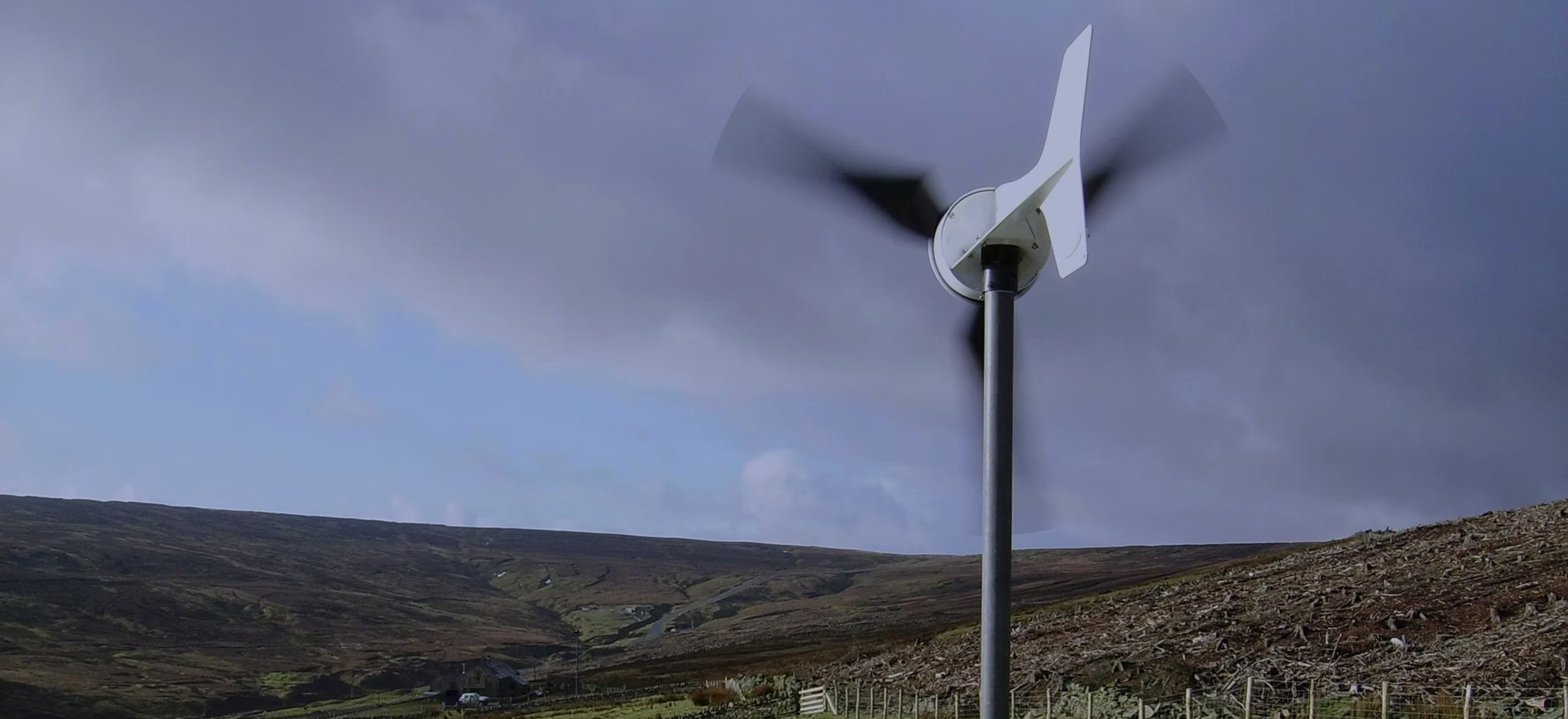
Off-grid sites installed near rocky mountain ridges, coastal bluffs, telecommunications towers, or industrial compounds generate complex boundary-layer turbulence. Horizontal turbines suffer from uneven blade loads and cyclic bending fatigue under high Turbulence Intensity (TI > 18%). Leading Edge Power’s vertical axis turbines utilize a cross-flow Savonius/Darrieus aerodynamic configuration. The rotor self-limits rotational velocity under heavy storm gusts while absorbing chaotic airflows, delivering smooth torque delivery to the internal permanent magnet generator (PMG).

Acoustic Signature < 38 dB

High blade-tip speed ratios (TSR) in horizontal turbines create blade-passing noise and low-frequency aerodynamic thumping. VAWT systems operate at lower tip-speed ratios, generating acoustic emissions below ambient noise thresholds. This makes them the definitive choice for ecologically sensitive marine habitats, urban rooftop microgrids, and residential telemetry nodes.

Zero Slip Rings & Lower Center of Gravity

Because the vertical central shaft rotates in a stationary plane, electrical wiring routes directly from the stator down to the charge controller without dynamic slip rings that corrode or arc over time. Heavy generator components sit lower on the mounting structure, substantially reducing structural bending moments on guy wires and support towers.

Precision ERA5 Resource Sizing

We do not estimate annual energy production (AEP) using simplistic annual average wind speeds. Leading Edge Power correlates your exact geographic coordinates against 30-year hourly ERA5 meteorological reanalysis data combined with high-resolution Global Wind Atlas models to guarantee winter-month continuous load autonomy.

Engineered In Herefordshire, UK

Industrial Vertical Axis Wind Turbine Product Lineup

Get a Quote
Telemetry & Marine Spec

LE-v150 Micro VAWT

The global benchmark for micro off-grid power generation. Compact, robust, and engineered specifically to trickle-charge 12V, 24V, or 48V battery systems on remote telemetry equipment, buoy markers, and environmental monitors.

  • Rotor Diameter: 270 mm
  • Cut-In Wind Speed: 2.5 m/s
  • Rated Output: 24W @ 8 m/s (peak 200W+)
  • Material Construction: Anodized marine-grade aluminum frame, stainless steel 316 fasteners
  • Generator Type: Direct-drive axial flux brushless PMG
Extreme Storm Edition

LE-v150 Storm VAWT

Specially reinforced for extreme marine and polar deployments where sustained hurricane-force winds occur routinely. Proven in North Sea offshore wind farm installations and Antarctic telemetry sites.

  • Rotor Diameter: 270 mm (Reinforced rib structure)
  • Survival Wind Speed: Tested to 35+ m/s (78+ mph continuous)
  • Bearings: Dual twin-sealed precision bearings with Arctic synthetic grease
  • Corrosion Protection: C5-M offshore marine epoxy powder coating
  • System Voltages: 12V / 24V / 48V DC auto-matching
Integrated Hybrid System

VAWT + Solar Hybrid Enclosure

Complete turnkey off-grid power package combining vertical axis wind generation with industrial monocrystalline solar panels, deep-cycle AGM or Lithium battery banks, and intelligent Victron Cerbo GX telemetry.

  • Continuous Load Support: 5 W to 500 W year-round base load
  • Battery Storage: 200 Ah – 1600 Ah AGM / LiFePO4 options
  • Autonomy Reserve: 3 to 7 days zero-input operational safety buffer
  • Optional Backup: Direct integration with Methanol Fuel Cell generators
  • Remote Telemetry: Live 4G / Satellite Cloud Monitoring Dashboard
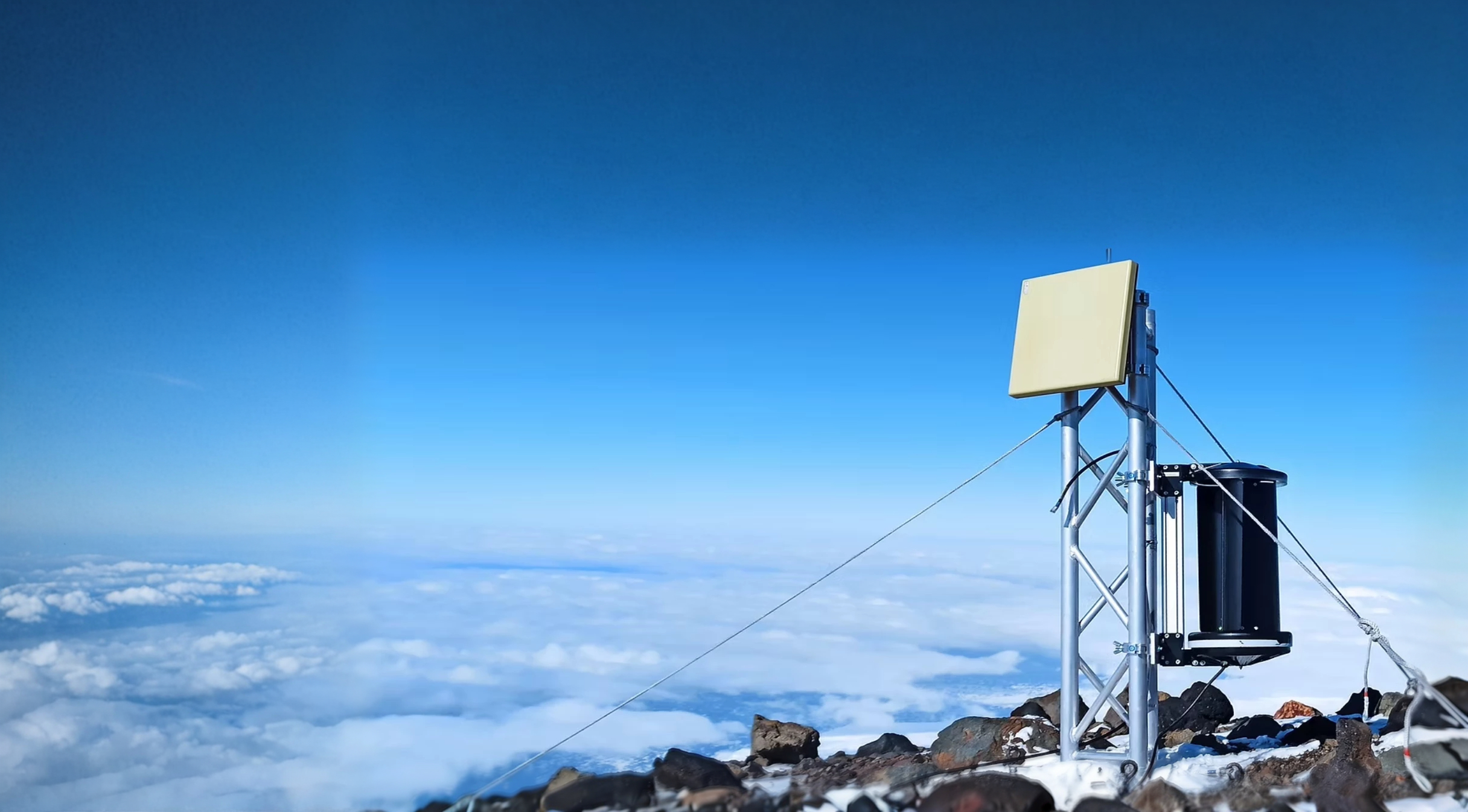
Engineered vertical axis wind turbine deployed on extreme mountain telemetry station

Proven In The Earth's Fiercest Climates

Built By Engineers.
Trusted By Infrastructure Leaders.

Since 2009, Leading Edge Power has designed, manufactured, and supported complete off-grid power infrastructure from our dedicated engineering facility in Pontrilas, Herefordshire, UK. We do not rebadge white-label imports. Every vertical axis wind turbine rotor, permanent magnet stator, and control system is crafted in-house to ISO-aligned quality management procedures.

Because mission-critical assets cannot tolerate downtime, our engineering teams maintain full Global Wind Organisation (GWO) offshore certification. The same specialists who model your wind resource and assemble your turbine are qualified to inspect, install, and service hardware on offshore platforms 72 km out in the North Sea.

"In critical off-grid power, theoretical averages mean nothing. Our vertical axis turbines are built to deliver guaranteed electrical continuity through dark winter doldrums, marine salt spray, and extreme storm turbulence." Leading Edge Engineering Division

Get a Quote

Global Procurement Insights

As global industrial operations expand remote IoT sensing, 5G cellular backhauls, and autonomous asset monitoring, off-grid power architecture is undergoing a rapid technological evolution.

TREND 01

Decarbonization of Telecom & 5G

Mobile network operators are aggressive replacing diesel generators at remote cell towers. Vertical axis wind turbines fit compact tower mounts and provide steady nocturnal power generation when solar radiation drops to zero.

TREND 02

Multi-Source Hybrid Microgrids

Procurement specifications now overwhelmingly require triple-redundancy: combining VAWT wind generation, monocrystalline solar arrays, and automated methanol fuel-cell back-up to guarantee 99.999% power uptime.

TREND 03

Autonomous Drone Docking Power

Unmanned aerial vehicle (UAV) inspection stations deployed along pipelines and power lines demand heavy pulse-charging capabilities off-grid. VAWT microgrids deliver continuous top-up energy without human intervention.

TREND 04

Predictive Edge Telemetry

Modern commercial procurement mandates smart remote monitoring platforms. Modern VAWT charge controllers stream RPM, temperature, real-time voltage, and state of charge directly to cloud management dashboards.

Field Test Provenance

Vertical Axis Turbines Operating In Extreme Field Environments

View All Field Projects
Offshore wind platform radio power system utilizing vertical axis wind turbines in North Sea

Ørsted · Offshore Telecoms

North Sea Offshore Platform Safety System

Deploying LE-v150 vertical axis wind turbines alongside solar panels and deep-cycle AGM storage to sustain continuous 125W emergency radio and Starlink telemetry links 72 km offshore, withstand salt mist and high gale turbulence.

Result: 100% operational uptime over 4+ years without scheduled blade servicing

Remote wind monitoring station powered by VAWT and solar hybrid unit

RWE Renewables · Met-Ocean Telemetry

LiDAR Wind Resource Assessment Masts

Replacing diesel gensets with vertical axis wind turbines and solar micro-trailers for LiDAR wind assessment in Western Scotland. Reduced refueling maintenance visits by 85% while capturing reliable wind speed datasets.

Result: Zero data drops across multi-year meteorological survey campaign

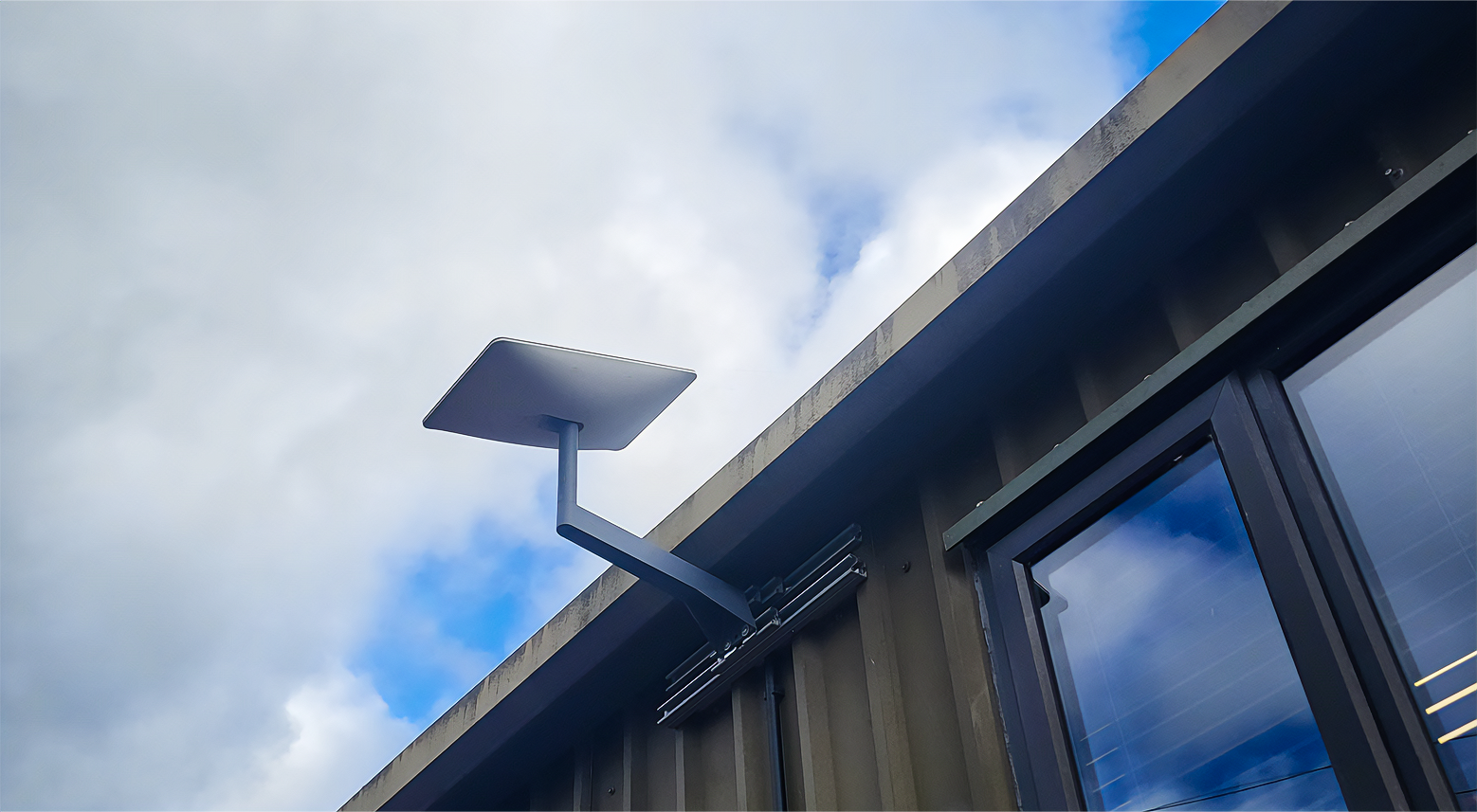
Starlink satellite communication terminal powered by off-grid VAWT hybrid unit

National Infrastructure · Telemetry Node

Remote Mountain Broadband Satellite Station

Powering high-draw satellite communications hardware in deep rural mountain valleys where horizontal wind turbines failed due to violent directional eddy currents down mountain faces.

Result: Continuous winter generation despite 30% turbulence intensity

Enterprise Validation

Specified By World-Leading Engineering & Energy Contractors

Our vertical axis turbines and off-grid solutions are standardized across tier-one civil engineering, defense, utility, and telecommunications portfolios globally.

BAM Nuttall logo
National Highways logo
Network Rail logo
Openreach logo
Ørsted logo
RWE logo
Severn Trent logo
Westcotec logo

Technical Procurement Clearinghouse

Vertical Axis Wind Turbine Frequently Asked Questions

In-depth technical responses curated for systems integrators, structural engineers, and procurement managers.

Horizontal Axis Wind Turbines (HAWT) require steady, laminar airflow aligned perpendicular to the rotor plane. In turbulent environments—such as near telecommunications towers, mountain valleys, or coastal structures—wind direction shifts rapidly. HAWTs constantly yaw to reorient themselves, suffering from rotational inertia lag, elevated bearing fatigue, and significant energy losses. Vertical Axis Wind Turbines (VAWT) operate cross-flow to the incoming wind vector, capturing wind from all 360 degrees instantly without yaw mechanics. This results in higher operational capacity factors in real-world off-grid installations.

Leading Edge Power VAWT turbines feature aerodynamic self-limiting geometry. As wind speeds escalate past rated velocity, aerodynamic drag forces on the returning blade balance the lift generated by the driving blade, establishing a natural equilibrium RPM limit. Unlike HAWT units that require active mechanical furling, pitch controls, or electric disk brakes, our VAWT systems have no high-speed mechanical failure modes and are proven to withstand sustained storm winds exceeding 27–35 m/s (60–78+ mph).

Because vertical axis turbines exhibit a compact rotor diameter and lower tip-speed ratios, static and dynamic mast loading is significantly less than equivalent horizontal wind turbines. Standard installations utilize scaffolding tube adapters (50 mm outer diameter) or dedicated mounting plates. The lack of gyroscopic precession force allows VAWT units to be mounted directly onto existing lattice telecom masts, met-ocean buoys, or containerized off-grid power skips without inducing structural vibration.

All aluminum components undergo hard-anodizing and C5-M high-durability epoxy powder coating engineered to ISO 12944 standards. Frame hardware, central shafts, and fasteners are machined exclusively from marine-grade 316 stainless steel. Internal neodymium magnets are hermetically sealed inside an encapsulated stator housing using specialized anti-corrosive resins, guaranteeing protection against salt spray ASTM B117 standards.

We perform site-specific solar and wind resource modeling using 30-year hourly ERA5 meteorological data combined with the Global Wind Atlas. By blending winter wind generation profiles (when solar irradiance is lowest) with summer solar output, we size the battery storage reserve (typically 3 to 7 days autonomy) to guarantee your site never darkens even during extended winter calm periods.

All Leading Edge Power vertical axis wind turbines carry a standard 2-year manufacturer warranty, extendable to 5 years for accredited industrial infrastructure contracts. We supply comprehensive CAD models, electrical wiring schematics, and direct access to our Herefordshire-based design engineers. Offshore support is backed by our own GWO-certified field service technicians.

Engineering Blog & Field Analysis

Technical Deep Dive: Off-Grid Power Architecture

Visit Engineering Blog
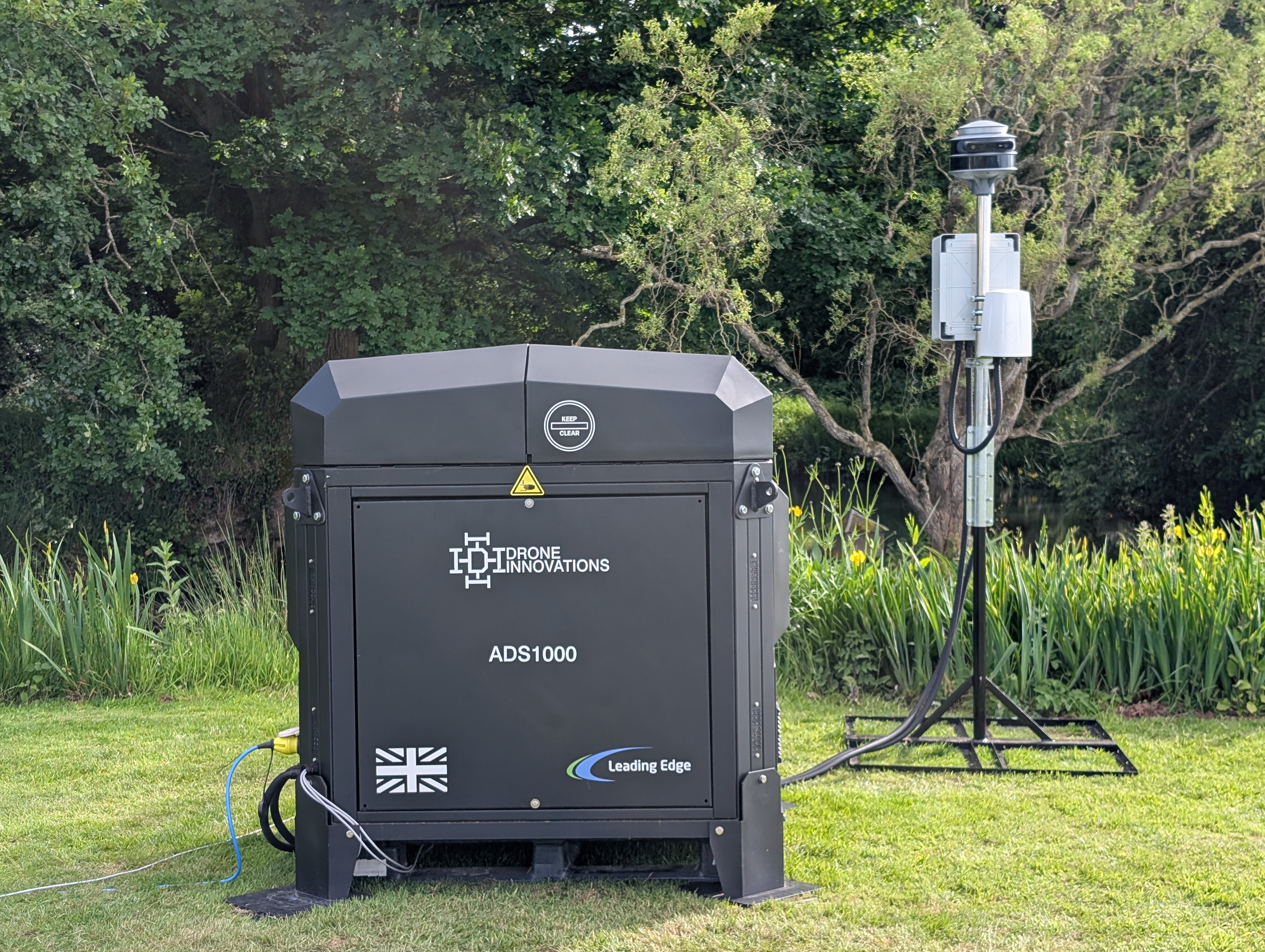
Autonomous drone docking station powered by off-grid vertical axis wind turbine microgrid

Field Engineering Report

Deploying VAWT Power Systems for Autonomous Offshore UAV Docking

Autonomous drone inspection platforms deployed along offshore wind farm corridors require high-reliability power hubs capable of executing battery recharge cycles without human intervention. Standard solar-only power systems fail to meet power demands during polar winter months.

By pairing our LE-v150 Storm vertical axis wind turbine with monocrystalline solar arrays and sealed AGM battery storage, engineers created a continuous microgrid yielding over 1.2 kWh per day in 40-knot wind conditions. The omni-directional VAWT profile withstood violent coastal turbulence while keeping acoustic emissions low enough to prevent marine wildlife disruption.

Get a Quote

Ready to Specify Vertical Axis Wind Power?

Contact our British engineering team today with your project site coordinates and electrical load profile. We will generate a complete ERA5 meteorological resource assessment and technical proposal.