Designed & manufactured in Herefordshire, UK — shipping worldwide Mon–Thu 9–5  |  Fri 9–4  |  +44 (0)1981 241668

British Engineering & Global Deployment Since 2009

Methanol Fuel Cell Power Systems

The definitive procurement and engineering guide for continuous, zero-downtime off-grid power. Built to bridge solar and wind gaps in extreme offshore, telecom, LiDAR, and sub-zero telemetry operations across seven continents.

100%Zero Downtime Reliability
-40°CSub-Zero Operating Grade
72 kmOffshore North Sea Proven
1,800+Continuous Autonomy Hours

Next-Generation Off-Grid Energy

Why Global Procurement Officers Specialize in Methanol Fuel Cell Power Systems

In an era where remote data telemetry, 5G telecom towers, offshore wind monitoring platforms, and military-grade surveillance units require 99.999% operational uptime, traditional diesel generators and standalone battery banks fail to meet modern efficiency, environmental, and financial benchmarks.

Methanol fuel cell power systems represent the pinnacle of autonomous remote power generation. By directly converting the chemical energy of liquid methanol (CH3OH) into direct current (DC) electricity via an electrochemical reaction, these systems bypass the mechanical inefficiencies, high maintenance burdens, and noise signatures associated with internal combustion engines.

Global procurement teams face a persistent dilemma when deploying remote equipment: winter solar deficits, calm weather spells that render wind turbines idle, and extreme logistics costs for remote site servicing. Standalone solar and battery arrays designed for worst-case winter conditions require massive capital expenditures (CAPEX) for oversized solar structures and heavy battery banks. Conversely, diesel generators suffer from severe light-load carbonization (cylinder glazing), frequent oil changes every 250–500 hours, and catastrophic freezing risks.

Liquid methanol fuel cells solve this fundamental engineering challenge. Storing energy in liquid form at ambient temperature yields an energy density far superior to compressed gases or chemical batteries. A standard 28-liter industrial methanol fuel cartridge contains approximately 30 kWh of usable electrical energy, weighing only 23 kg. To store an equivalent electrical reserve in deep-cycle lead-acid batteries would require over 1,200 kg of physical weight.

Furthermore, Direct Methanol Fuel Cells (DMFC) operate in complete silence with zero harmful particulate emissions, yielding only trace amounts of water vapor and biogenic carbon dioxide. This makes them ideal for environmentally sensitive national parks, offshore wind farmlands, urban emission-controlled zones, and defense installations requiring low acoustic and thermal signatures.

Core Technical Superiority of Methanol Systems:

  • Energy Density: ~1.1 kWh output per liter of fuel grade methanol.
  • Maintenance Interval: Zero scheduled moving-part maintenance for up to 4,500 continuous operating hours.
  • Thermal Resilience: Built-in internal heat management operating reliably from -40°C to +50°C.
  • Fuel Stability: Liquid methanol does not degrade over extended storage, unlike diesel fuel prone to microbial contamination (diesel bug).

Engineered Off-Grid Systems

Recommended Methanol Fuel Cell Product Configurations & System Architectures

Leading Edge Power designs, manufactures, and integrates custom hybrid systems combining micro-wind turbines, monocrystalline solar arrays, deep-cycle AGM storage, and state-of-the-art methanol fuel cell backup generators.

EFOY Pro Industrial Methanol Fuel Cells

Direct Methanol Fuel Cell (DMFC) power generators engineered for 12 V and 24 V DC off-grid battery charging in unattended locations.

  • Power Output: 45 W to 500 W continuous nominal power
  • Fuel Consumption: 0.9 L / kWh electrical output
  • Remote Telemetry: Victron Cerbo GX, MODBUS RS485, SNMP
  • Applications: Remote telemetry, environmental sensors, weather stations
Zero MaintenanceAutomatic DC Backup

Triple-Hybrid Wind-Solar-Methanol System

The flagship off-grid system engineered by Leading Edge Power for zero-downtime mission-critical industrial assets.

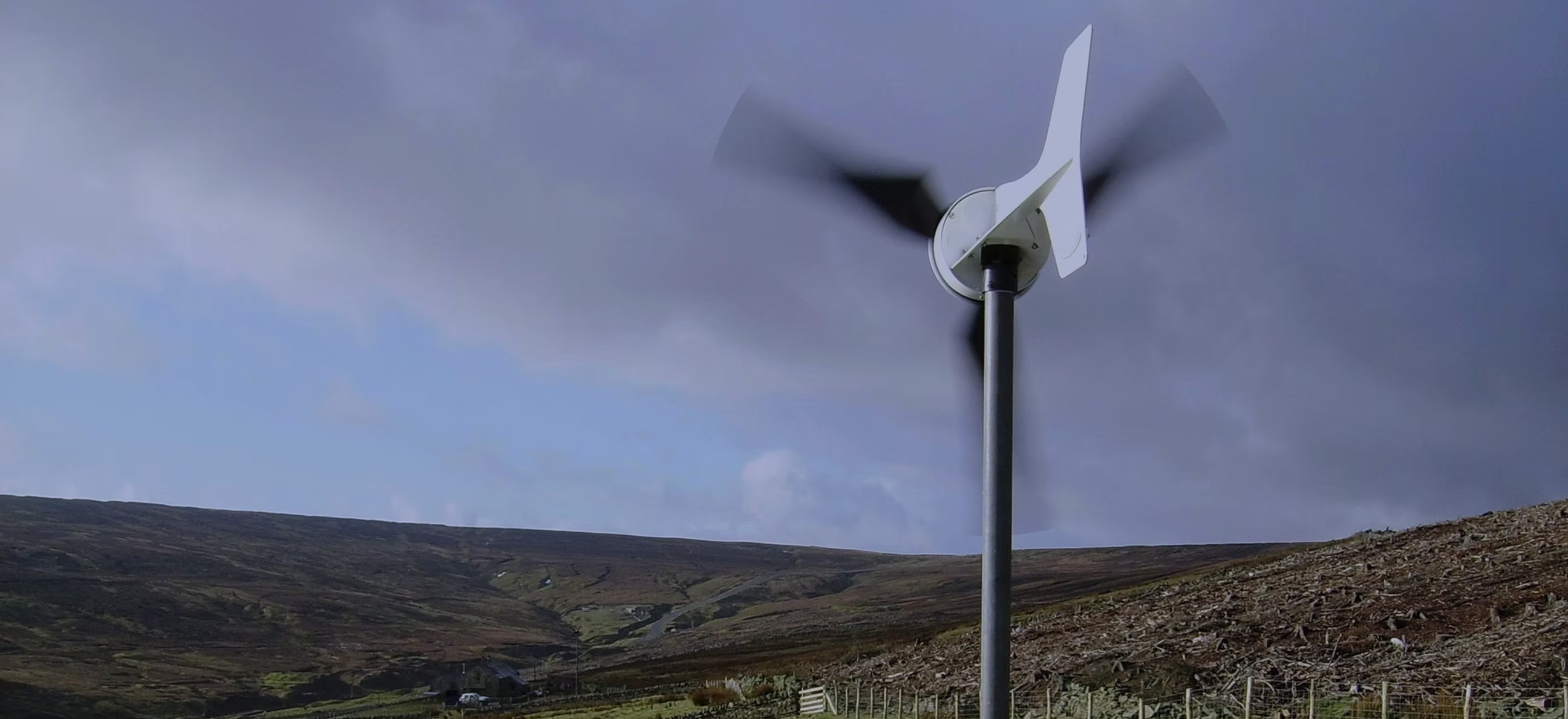
  • Primary Generation: LE-v150 / LE-300 marine wind turbine + monocrystalline solar
  • Secondary Reserve: Integrated DMFC methanol generator
  • Storage Base: 200 Ah to 1,600 Ah deep-cycle AGM battery bank
  • Target Autonomy: 365 days non-stop autonomous year-round power
Offshore GradeExtreme Climate

Custom IP65 Enclosure & Mobile Trailer Systems

Fully pre-commissioned, weather-proof, insulated container and mobile trailer solutions for rapid site deployment.

  • Containment: Powder-coated marine aluminum or stainless steel IP65
  • Thermal Protection: Integrated fuel cell exhaust heat recycling & ventilation
  • Security: Anti-vandal locking mechanism with GPS tracker
  • Applications: Offshore wind substations, mobile CCTV, temporary construction compounds
Plug & PlayPre-Commissioned

Engineering Insights

Technical Deep Dive: DMFC vs. Diesel vs. Pure Hydrogen

Selecting the correct fuel cell chemistry and generator topology is vital for long-term project viability. The matrix below illustrates why methanol fuel cell power systems outperform alternative remote energy sources.

Parameter Direct Methanol Fuel Cell (DMFC) Diesel Generator Set Compressed Hydrogen Fuel Cell
Energy Density (Volumetric) High (~4.4 kWh/L fuel raw, ~1.1 kWh/L electrical) Very High (~9.7 kWh/L raw) Low (Requires 350-700 bar high pressure tanks)
Fuel Logistics & Handling Liquid at room temp; simple 10L–60L canister swapping Heavy liquid; requires tanker access, spill bunds Hazardous gas pressure vessels; complex transport permits
Maintenance Free Period 3,000 to 4,500 continuous hours (up to 2–5 years idle backup) 250 to 500 hours (Oil changes, filters, glow plugs) 1,500 to 3,000 hours (Purge valves, humidity control)
Sub-Zero Operational Stability Integrated auto-anti-freeze thermal cycling down to -40°C High risk of diesel gelling, battery starter failure Water purge freezing risks inside membrane stack
Environmental & Acoustic Impact Silent (<35 dB @ 7m), Zero NOx/SOx/Particulates High noise (>75 dB), toxic exhaust, oil spill risks Silent, zero tailpipe emissions
Leading Edge Power engineers testing hybrid off-grid wind solar and methanol power system

British Engineering Provenance

Why Leading Edge Power is the Trusted Partner for Global Off-Grid Projects

Established in 2009 in Pontrilas, Herefordshire, United Kingdom, Leading Edge Power (Leading Edge Turbines Ltd) is a premier designer and manufacturer of autonomous off-grid energy architecture. Operating across seven continents, our engineering team builds complete, pre-tested hybrid power packages tailored to survive Earth's most severe climatic conditions.

Unlike off-the-shelf equipment resellers, we maintain complete in-house control over mechanical design, electrical integration, micro-wind turbine assembly, and custom enclosure fabrication. Our sizing calculations rely on advanced ERA5 reanalysis weather data blended with the Global Wind Atlas, guaranteeing that your site's solar and wind generation profiles are modeled against 40 years of historical meteorological extremes rather than simple monthly averages.

"Our clients cannot afford site blackouts. By pairing our marine-grade micro wind turbines with solar arrays and direct methanol fuel cell systems, we deliver guaranteed autonomy in the North Sea, the Scottish Highlands, and sub-zero arctic locations." Dan Goodman, Sales Director

Contact Us

Proven Field Deployment

Real-World Case Studies: Methanol Fuel Cell Hybrids

Contact Us
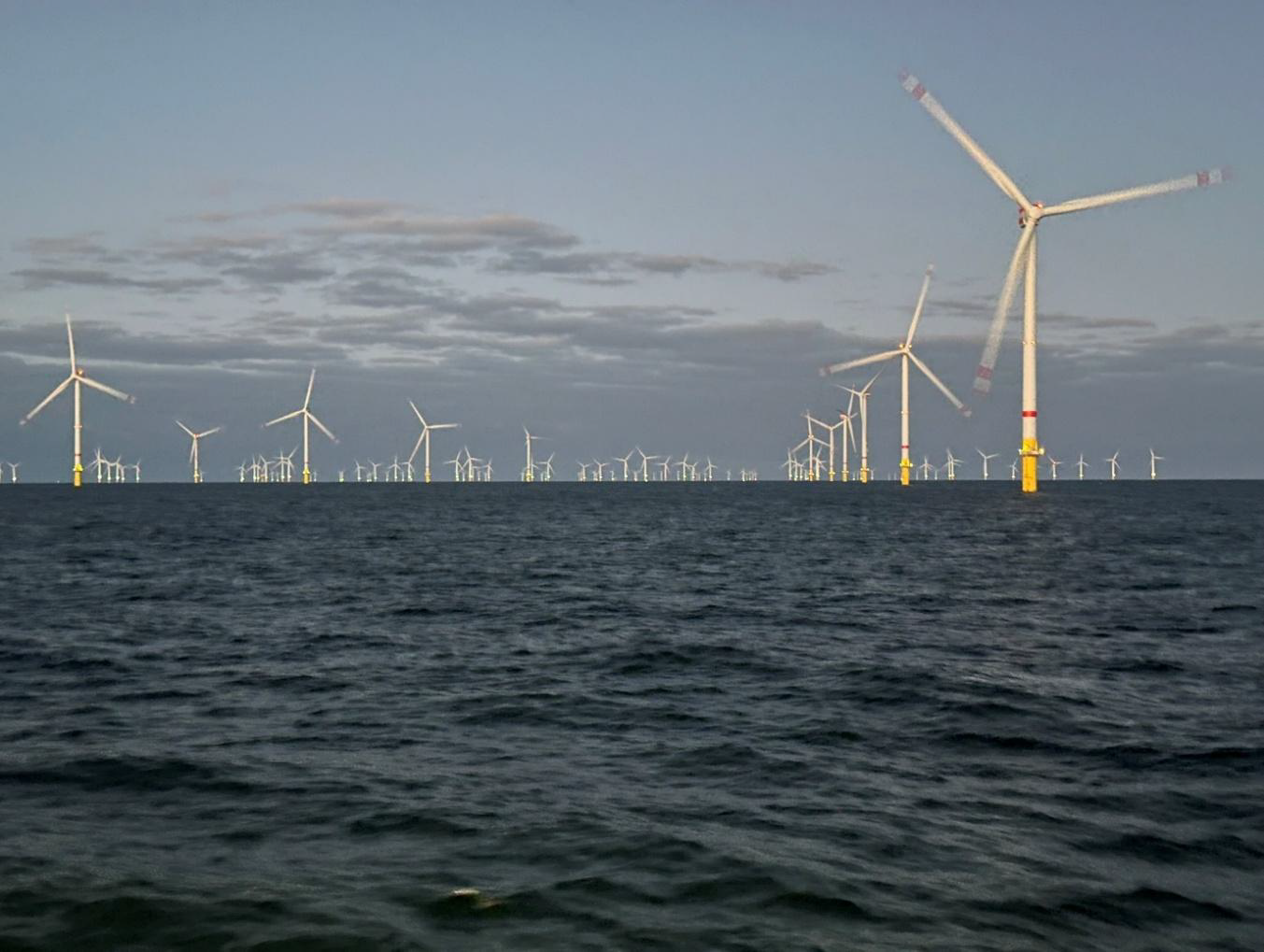
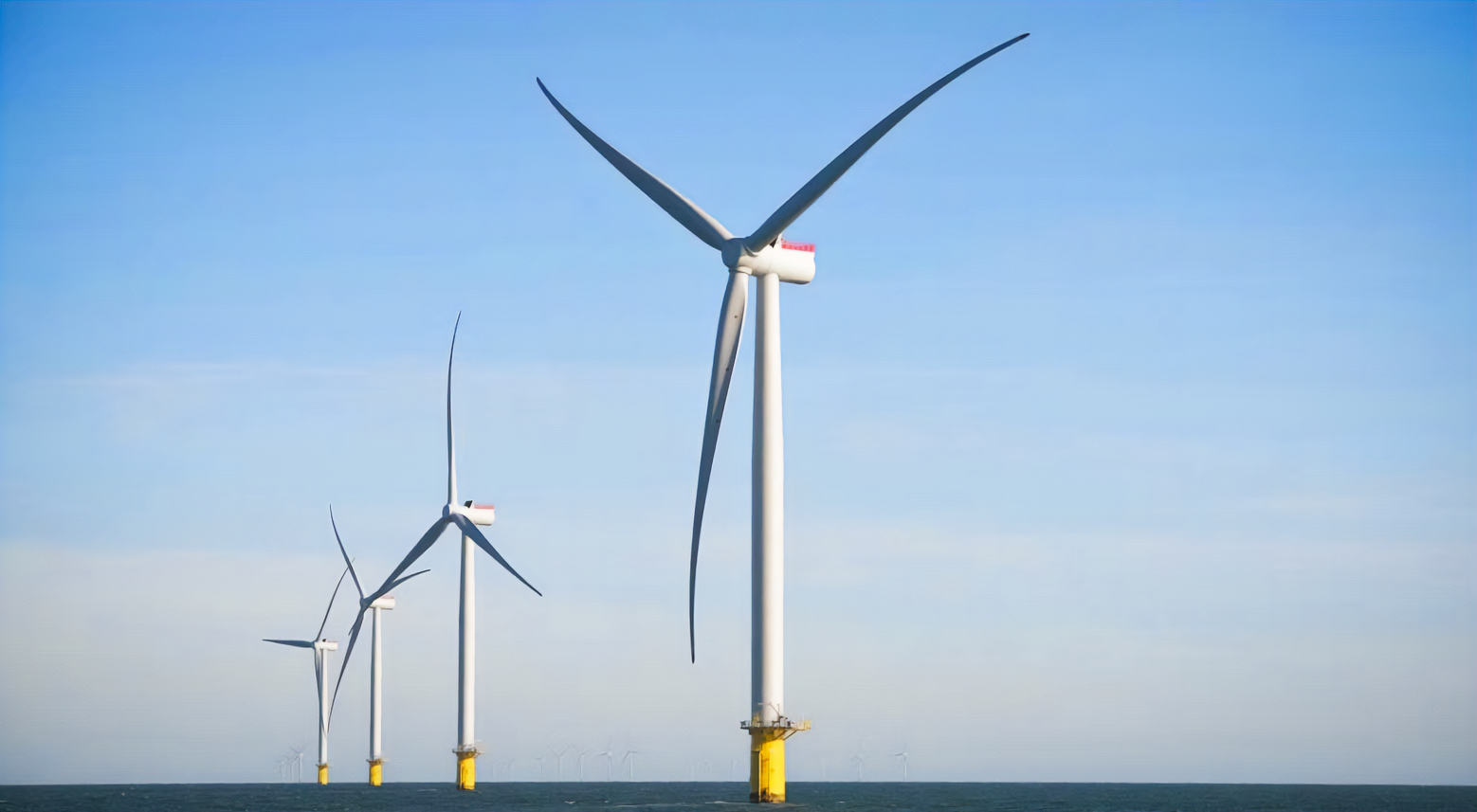
Ørsted Offshore wind farm platform powered by hybrid methanol fuel cell system

Ørsted · North Sea Offshore Wind

72 km Offshore Safety Communications & Starlink Unit

Integrated hybrid power system comprising three LE-v150 Storm vertical axis wind turbines, 1.64 kWp solar array, 1,600 Ah deep-cycle AGM storage, and an automatic EFOY DMFC methanol fuel cell unit. Supporting continuous 125 W critical safety radio, marine navigation lights, and broadband telemetry 72 km offshore in the German North Sea.

Result: 100% continuous uptime; offshore service visits performed by GWO-certified engineers.

RWE LiDAR wind measurement system powered by wind solar and methanol fuel cell backup

RWE Renewables · Remote IoT & Telemetry

Zero-Downtime Power for LiDAR Wind Measurement

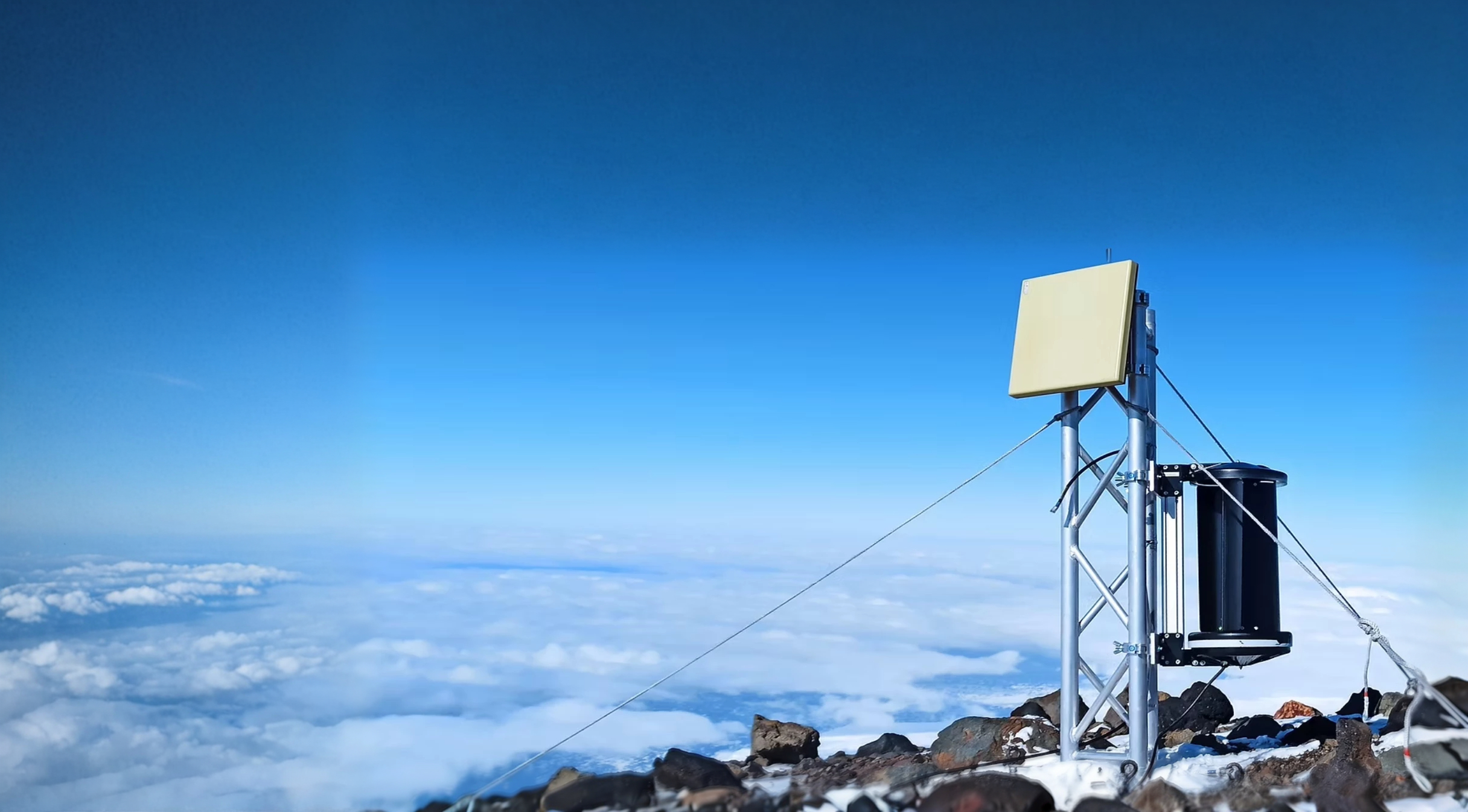
Replaced high-cost fuel-cell-only power with a optimized wind-solar-methanol hybrid solution for a remote LiDAR mast in western Scotland. Integrated Victron Cerbo GX telemetry and ultrasonic methanol fuel sensing to provide live web portal visibility of fuel levels and battery health.

Result: 68% reduction in annual fuel logistics costs; uninterrupted data capture for wind farm assessment.

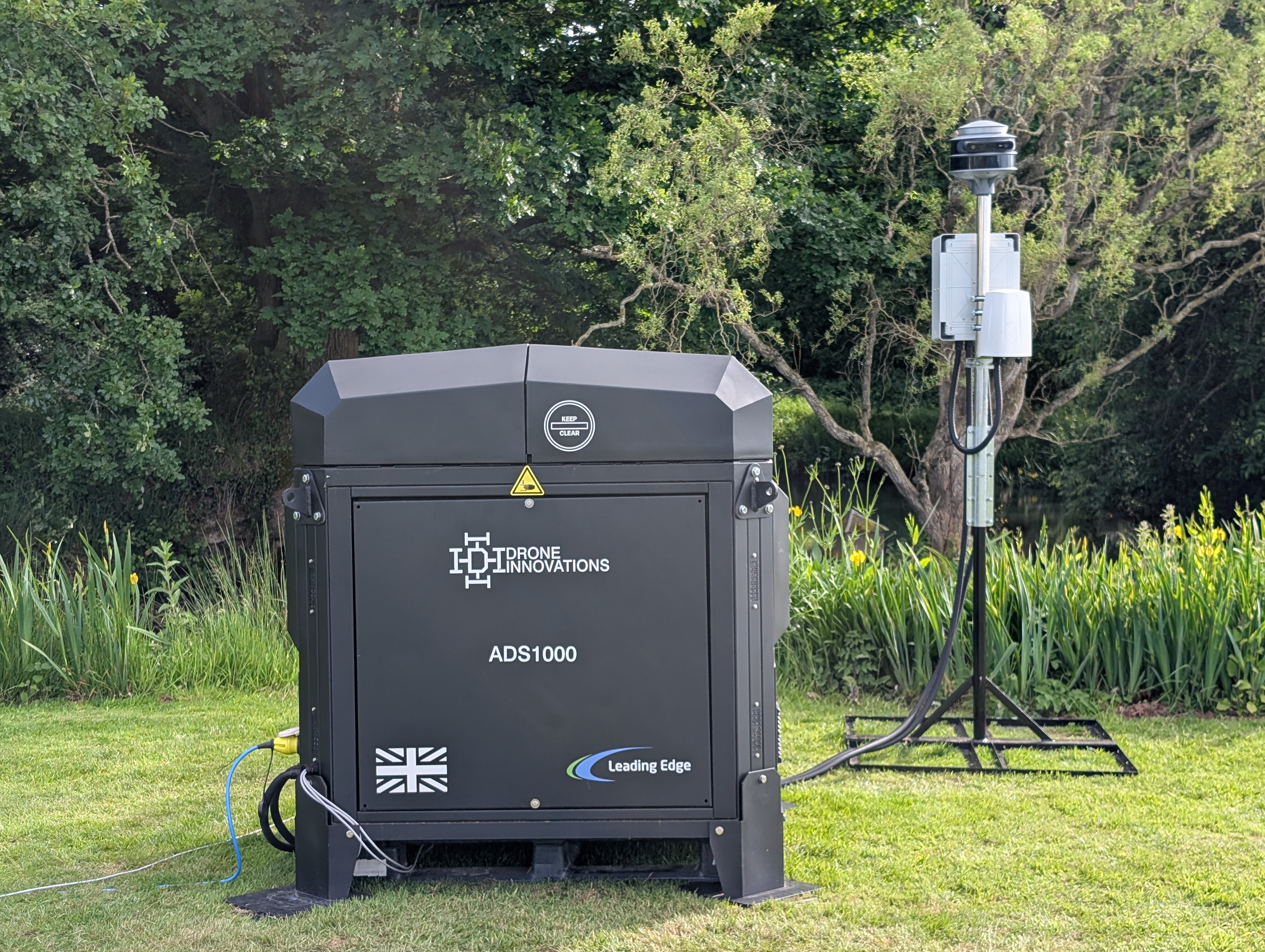
Autonomous drone docking station powered by off-grid methanol hybrid energy system

Infrastructure & Security Partners

Autonomous Drone Docking Station Off-Grid Power

Designed a portable high-output power enclosure containing solar generation, LE-300 wind turbines, and industrial methanol fuel cell generator to handle high peak charging currents during drone docking and battery swapping cycles in un-gridded pipeline monitoring zones.

Result: Rapid deployment capability with complete independence from localized grid outages.

Enterprise Trust

Trusted by Global Infrastructure Leaders & Integrators

Leading Edge Power systems are specified by tier-one engineering contractors, national utilities, and offshore developers worldwide.

BAM Nuttall logo
National Highways logo
Network Rail logo
Openreach logo
Ørsted logo
RWE logo
Severn Trent logo
Westcotec logo

Buyer Questions & Intent Mining

Frequently Asked Procurement & Engineering Questions

Answers to key technical, logistical, and maintenance questions routinely asked by procurement engineers evaluating methanol fuel cell power systems.

Methanol fuel cell power systems deliver silent, low-maintenance, continuous DC power without moving parts, oil changes, or frequent field interventions. Unlike diesel generators that suffer from carbon build-up (light loading issues), high maintenance cycles (every 250–500 hours), and high acoustic signatures, liquid methanol fuel cells operate autonomously for months or years, consuming fuel only when battery voltage drops below target thresholds.

DMFC systems directly oxidize liquid fuel grade methanol (CH3OH) with atmospheric oxygen over a polymer electrolyte membrane to generate electricity, water, and trace carbon dioxide. In sub-zero polar environments (down to -40°C) or high-salinity marine locations, systems are integrated inside insulated, weather-proof IP65 enclosures equipped with automatic thermal management circuits to prevent freezing and ensure continuous autonomous operation.

A standard Direct Methanol Fuel Cell generates approximately 1 kWh of electrical power per 0.9 to 1.1 liters of fuel grade methanol, depending on system efficiency and operating temperature. When combined with wind and solar renewable generation, a 100 W continuous load may only require 10 to 30 liters of fuel per year to bridge winter renewable deficits.

Yes. Methanol fuel cells act as the ultimate zero-downtime backup generator within a wind-solar hybrid architecture. Managed by intelligent charge controllers (such as Victron Cerbo GX), the fuel cell automatically initiates charging when renewable solar and wind power output drops during long winter lulls, keeping deep-cycle AGM or Lithium battery banks at optimal state of charge.

Liquid methanol fuel is stored in sealed, anti-static fuel cartridges (e.g., 10L, 28L, or 60L industrial canisters) or bulk containers. Because methanol remains liquid across a wide temperature range (-96°C to +65°C), it does not require cryogenic storage or high-pressure gas tanks, making logistics via standard transport vessels, light vehicles, or helicopter lifts straightforward.

Industrial methanol cartridges supplied by authorized distributors are UN-certified for transport by road, rail, sea, and air in accordance with ADR, RID, IMDG Code, and ICAO/IATA regulations. Cartridges feature leak-proof safety valves and engineered quick-connect fittings that prevent any user exposure or chemical spills during replacement.

Our engineers perform precise hourly load profile assessments and run hourly solar and wind generation simulations based on ERA5 reanalysis data for your exact GPS coordinates. We size battery capacity and fuel reserves to guarantee survival during worst-case historical weather months rather than annual averages.

Power Your Remote Assets with Zero Downtime

Talk to our Herefordshire engineering team today. Send us your site coordinates and continuous load requirements, and we will formulate a comprehensive hybrid energy proposal.