Designed & manufactured in Herefordshire, UK — shipping worldwide Mon–Thu 9–5  |  Fri 9–4  |  +44 (0)1981 241668

B2B Specifier & Engineering Procurement Guide

Industrial Monocrystalline Solar Panels: How to Select & Procure High-Yield PV Modules for Extreme & Off-Grid Environments

Global procurement teams and systems integrators face increasing complexity when specifying monocrystalline solar panels for industrial microgrids, remote telecom towers, offshore wind platforms, and extreme weather assets. Learn how cell architecture, temperature coefficients, glass-glass resilience, and hybrid integration dictate true 25-year levelized cost of energy (LCOE).

22.8%+Module Conversion Efficiency
-0.30%/°CLow Temp Coefficient
30 YearsLinear Power Output Guarantee
7 ContinentsProven Off-Grid Reliability

Information Gain & Technical Evaluation

Why Commercial Buyers Are Transitioning to Next-Generation Monocrystalline Solar Panels

In mission-critical off-grid installations, power drop-offs mean system blackouts. Monocrystalline photovoltaic (PV) solar panels have evolved far beyond basic rooftop silicon—emerging as high-efficiency power generators designed to perform under diffuse light, heavy salt spray, sub-zero ambient temperatures, and extreme mechanical loading.

The Physics of Monocrystalline Dominance

Monocrystalline silicon (mono-Si) panels are fabricated from Czochralski-grown single-crystal ingots, creating a continuous crystal lattice without the grain boundaries inherent to polycrystalline cells. This ultra-pure lattice allows electrons to flow freely, delivering cell efficiencies exceeding 24% and module efficiencies upwards of 22.8%.

For industrial specifiers operating constrained mounting footprints—such as autonomous telemetry skids, coastal buoys, mobile solar power trailers, or rail monitoring points—monocrystalline solar panels deliver up to 35% higher power density per square meter than polycrystalline alternatives, directly translating into smaller array footprints and lower structural steel costs.

Off-Grid Reliability & Yield Realities

Standard rating conditions (STC: 1000 W/m², 25°C cell temp, AM1.5 spectrum) rarely represent real-world operation. Remote sites experience extreme ambient heat, heavy cloud cover, morning mist, and blowing dust.

Modern monocrystalline solar panels utilize N-type silicon technology (TOPCon and Heterojunction/HJT), virtually eliminating Light-Induced Degradation (LID) and Potential Induced Degradation (PID). Furthermore, their superior low-irradiance spectral response ensures early morning and late afternoon charge currents—maximizing daily amp-hour yield into deep-cycle AGM or lithium battery banks during short winter solar windows.

Feature Parameter P-Type PERC Monocrystalline N-Type TOPCon Monocrystalline N-Type HJT (Heterojunction)
Average Module Efficiency 20.5% – 21.8% 22.3% – 23.2% 22.8% – 24.0%
Temperature Coefficient (Pmax) -0.35% / °C -0.30% / °C -0.26% / °C
First-Year Degradation (LID) 1.5% – 2.0% < 1.0% (Zero LID) < 1.0% (Zero LID)
Annual Linear Degradation -0.55% / year -0.40% / year -0.32% / year
Bifaciality Factor 70% ± 5% 80% ± 5% 85% ± 5%
Best Fit Procurement Application Cost-sensitive standard commercial solar array installations Industrial off-grid, harsh climate telecom & wind-solar microgrids High-temp ambient environments & ultra-premium spatial constraint sites

Engineered Product Range

Industrial Monocrystalline Solar Panel Configurations & Off-Grid Power Modules

Leading Edge Power designs, integrates, and supplies heavy-duty monocrystalline solar panels engineered to withstand relentless mechanical wind loads, salt corrosion, and extreme winter freezes.

Heavy Duty Rigid

N-Type TOPCon Industrial Mono PV Modules (100W – 450W)

High-efficiency monocrystalline solar panels designed specifically for fixed off-grid infrastructure, industrial telemetry, and remote microgrids.

  • Ultra-pure N-type TOPCon silicon cells delivering up to 22.8% module efficiency
  • Double-web anodized aluminum alloy frame rated for up to 5400 Pa snow load & 2400 Pa wind speed
  • Anti-reflective coated thermally tempered toughened glass with self-cleaning surface properties
  • IP68 junction box with integrated bypass diodes to prevent hot-spot cell shading stress
Marine & Offshore Grade

Glass-Glass Marine Monocrystalline Solar Arrays

Severe-environment monocrystalline solar panels sealed against salt spray, atmospheric moisture, and constant offshore wave vibration.

  • Dual-glass design (2.0mm front + 2.0mm rear tempered glass) offering zero water vapor ingress
  • Certified IEC 61701 salt mist corrosion resistance & IEC 62716 ammonia corrosion testing
  • Engineered to pair seamlessly with LE-v150 and LE-300 marine wind turbines on offshore platforms
  • Impervious to PID degradation in coastal, humid, and tropical salt-water operating sites
Mobile & Semi-Flexible

ETFE Semi-Flexible Monocrystalline Solar Panels

Ultra-lightweight monocrystalline solar panels built for rapid-deployment trailers, curved enclosure roofs, and portable power setups.

  • High-transmittance fluoropolymer ETFE surface skin resistant to UV discoloration and scratching
  • Interconnected monocrystalline back-contact (IBC) cell structure eliminating front busbars
  • Flexing capability up to 30 degrees to match vehicle contours and aerodynamic structures
  • Direct surface bonding or heavy-duty eyelet mounting options for zero-drill installation
British engineered off-grid hybrid power system featuring monocrystalline solar panels and wind turbine

Engineering Excellence Since 2009

British Designed & Built: Monocrystalline Solar Integrated for Zero Downtime

Leading Edge Power is an established British designer and manufacturer of off-grid renewable energy infrastructure, headquartered in Pontrilas, Herefordshire. Since 2009, our systems have been deployed across all seven continents—from polar weather monitoring stations in the Antarctic to high-altitude telecom relays in the Andes and offshore platforms in the North Sea.

We do not simply resell off-the-shelf components. Our engineers assess your exact site coordinates, blending ERA5 atmospheric reanalysis data with the Global Solar Atlas and Global Wind Atlas to size high-efficiency monocrystalline solar panels alongside wind turbines, deep-cycle AGM storage, and methanol fuel cell back-ups. Every bracket, control enclosure, wiring harness, and charge controller is engineered, assembled, and load-tested in-house to ISO-aligned quality standards.

"Industrial specifiers cannot afford solar panel failures caused by thermal stress, moisture delamination, or sub-standard cell binning. We engineer complete monocrystalline hybrid systems that keep remote infrastructure running through the dark months." Dan Goodman, Sales Director

Get a Quote

Proven Field Operations

Monocrystalline Solar Panels in Critical Infrastructure Projects

Get a Quote
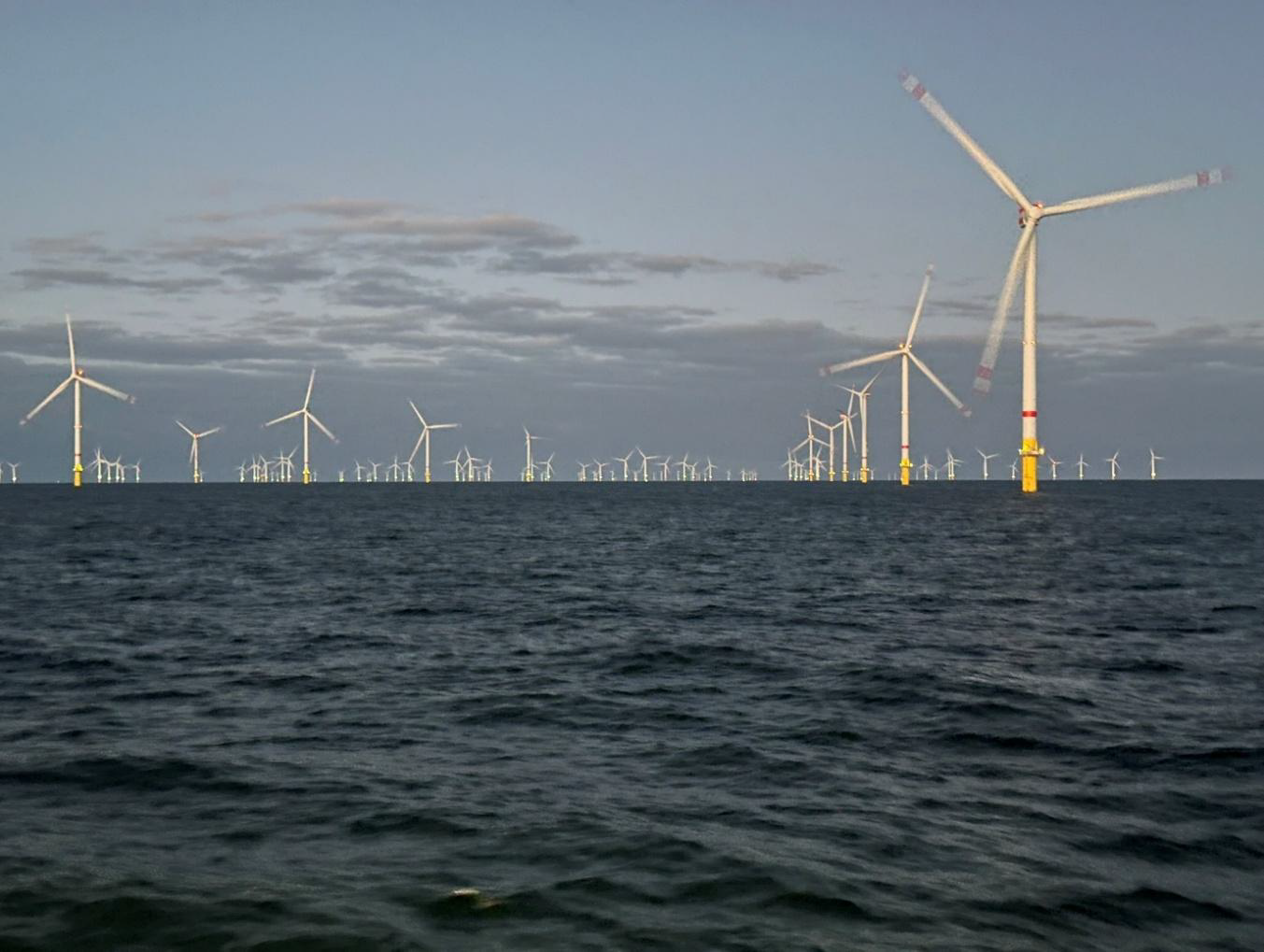
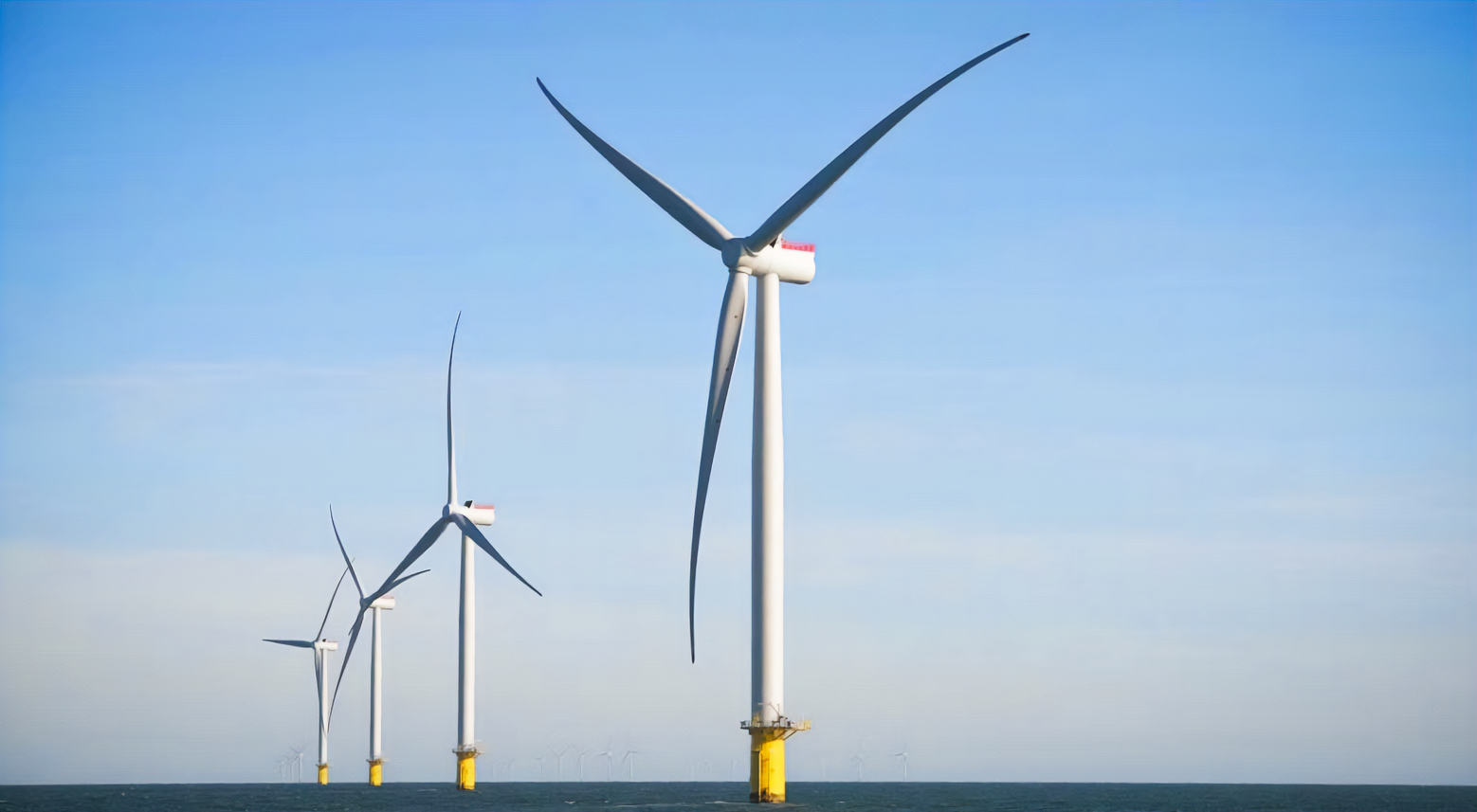
Offshore wind platform hybrid system with monocrystalline solar panels and vertical wind turbines

Ørsted · Offshore Wind Telecommunications

North Sea Offshore Platform Microgrid

Integrated 1.64 kWp heavy-duty glass-glass monocrystalline solar panels with three LE-v150 Storm vertical axis wind turbines, 1,600 Ah deep-cycle AGM storage, and a methanol fuel cell backup system. Holds a continuous 125W critical radio and Starlink payload 72 km offshore with zero grid back-up.

Key Metric: 100% continuous telecom uptime through North Sea winter storms

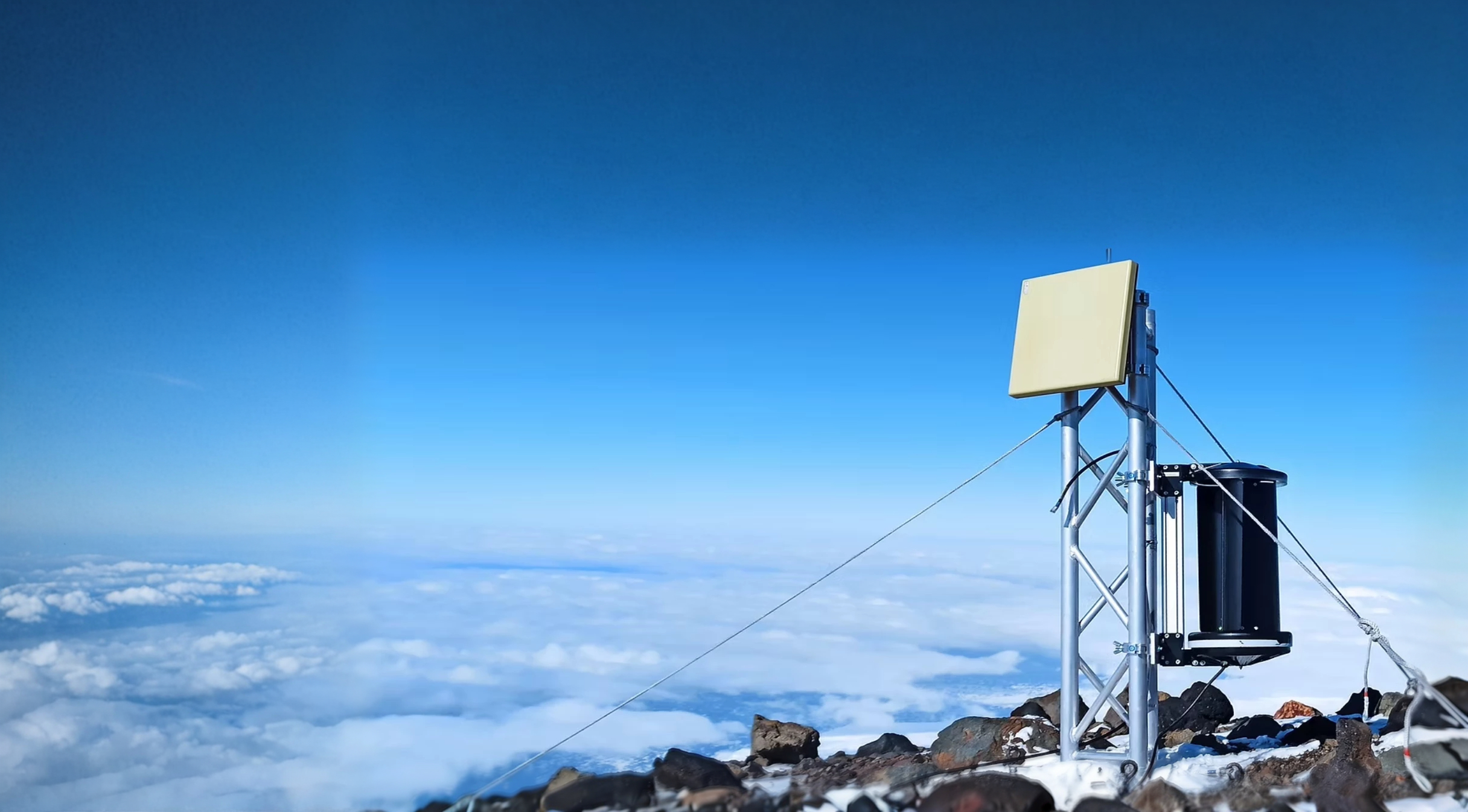
LiDAR wind measurement station powered by monocrystalline solar panels and wind turbine

RWE Renewables · Environmental Sensing

LiDAR Wind Resource Assessment System

High-efficiency monocrystalline solar panels combined with a portable wind turbine skid to provide continuous 24V power for optical LiDAR remote sensing towers in remote Scottish Highlands. Victron Cerbo GX telemetry allows remote monitoring of panel voltage, current, and battery health.

Key Metric: Reduced refuelling maintenance trips from monthly to annual checks

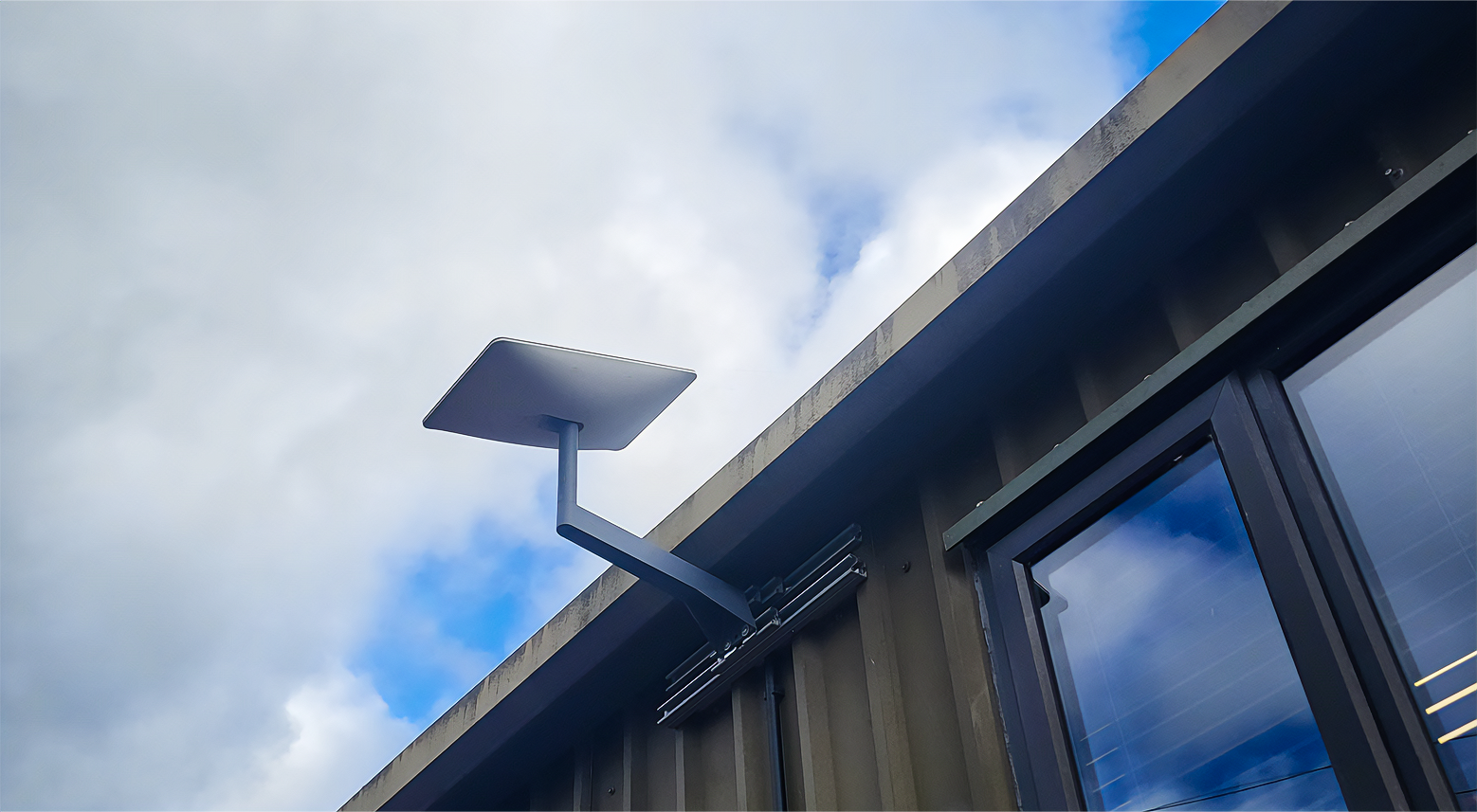
Starlink satellite communications hub powered by off-grid monocrystalline solar panels

Leading Edge HQ · Broadband & Remote IoT

Satellite Connectivity Power Base Hub

An integrated OG Base power unit employing high-performance monocrystalline solar arrays alongside an LE-300 wind turbine and deep-cycle AGM battery bank. Maintains constant power for high-draw Starlink communications gear servicing multi-user data streams in off-grid locations.

Key Metric: 5-day continuous autonomy without wind or sun assistance

Enterprise Trust

Specified & Trusted by Industry Global Leaders

Leading Edge Power monocrystalline solar panels and hybrid power systems are specified by Tier-1 contractors, utility operators, and government agencies worldwide.

BAM Nuttall logo
National Highways logo
Network Rail logo
Openreach logo
Ørsted logo
RWE logo
Severn Trent logo
Westcotec logo

Specifier & Buyer Intelligence

Frequently Asked Questions: Monocrystalline Solar Panel Procurement

Detailed engineering, technical, and commercial answers for global buyers, EPC contractors, and procurement engineers.

PERC (Passivated Emitter and Rear Cell) represents older P-type monocrystalline technology with module efficiencies around 20–21.5%. TOPCon (Tunnel Oxide Passivated Contact) is an advanced N-type technology offering superior surface passivation, achieving module efficiencies up to 23% with lower temperature coefficients (-0.30%/°C) and zero Light-Induced Degradation (LID). HJT (Heterojunction) combines crystalline silicon with amorphous silicon thin-film layers, delivering highest conversion efficiencies (>23.5%), optimal bifacial performance (up to 88%), and an extremely low temperature coefficient (-0.26%/°C). TOPCon currently represents the optimal balance of commercial cost and peak performance for industrial off-grid projects.

Monocrystalline panels feature a continuous single-crystal structure, yielding up to 35% higher power density per square meter than polycrystalline (poly-Si) panels. In off-grid, mobile, or mounting-constrained environments (such as telecommunications masts, traffic signs, or oil & gas monitoring skids), monocrystalline solar panels provide maximum wattage in a significantly smaller physical footprint, cutting mounting hardware weight, wind drag, and logistics costs. Additionally, monocrystalline silicon performs significantly better under low-light diffuse conditions, generating essential charge current during cloudy days.

Solar panels are rated at Standard Test Conditions (STC) of 25°C cell temperature. As ambient heat increases cell temperatures beyond 25°C, voltage drops, causing a reduction in maximum power output (Pmax). The rate of power loss is governed by the panel's Temperature Coefficient (Pmax). Standard P-type monocrystalline panels lose approximately -0.38% power per °C above 25°C, whereas high-grade N-type TOPCon monocrystalline panels lose only -0.30%/°C, and HJT modules lose just -0.26%/°C. In hot desert climates where cell temperatures reach 65°C (+40°C over STC), N-type monocrystalline panels deliver up to 5% higher actual daily energy yield compared to standard panels.

Glass-Glass monocrystalline solar panels substitute the traditional plastic rear backsheet with a second layer of thermally toughened glass (typically 2.0mm + 2.0mm). Traditional plastic backsheets degrade over time due to UV radiation, salt water spray, humidity, and micro-cracking, allowing moisture to reach internal cells and cause corrosion. Dual-glass modules provide an absolute hermetic seal, eliminating water vapor penetration, preventing Potential Induced Degradation (PID), and providing mechanical stiffness capable of withstanding severe winds and wave impact on offshore platforms, buoys, and coastal radar installations.

Sizing must be calculated against your worst-month solar resource (typically December in the Northern Hemisphere), not annual averages. First, calculate the continuous watt-hour load of your equipment (e.g., 50W continuous load x 24 hours = 1,200 Wh/day). Factor in system inefficiencies (inverter losses, cable resistance, battery charge acceptance factors—typically 1.25 multiplier). Determine peak sun hours available in the worst month using location coordinates (e.g., 1.5 peak sun hours/day). Divide total daily watt-hours required (1,500 Wh) by peak sun hours (1.5 h) to find required solar array wattage (1,000 Wp of monocrystalline solar panels). In high-latitude locations, we strongly advise pairing solar panels with an LE-300 or LE-v150 wind turbine to form a hybrid power system that offsets winter solar drop-off.

Yes. All monocrystalline solar panels supplied by Leading Edge Power can be integrated into custom British-engineered mounting frames (ground mounts, pole mounts, container-top brackets) paired with IP66 stainless steel or marine-grade aluminum electrical enclosures. Our enclosures house Victron MPPT charge controllers, deep-cycle AGM or lithium battery storage, circuit protection, and Cerbo GX remote monitoring modules—pre-wired, pre-tested, and ready for immediate field commissioning.

Field Innovation Report

Advancing Off-Grid Solar Performance in Autonomous Industrial Infrastructure

Read Technical Articles
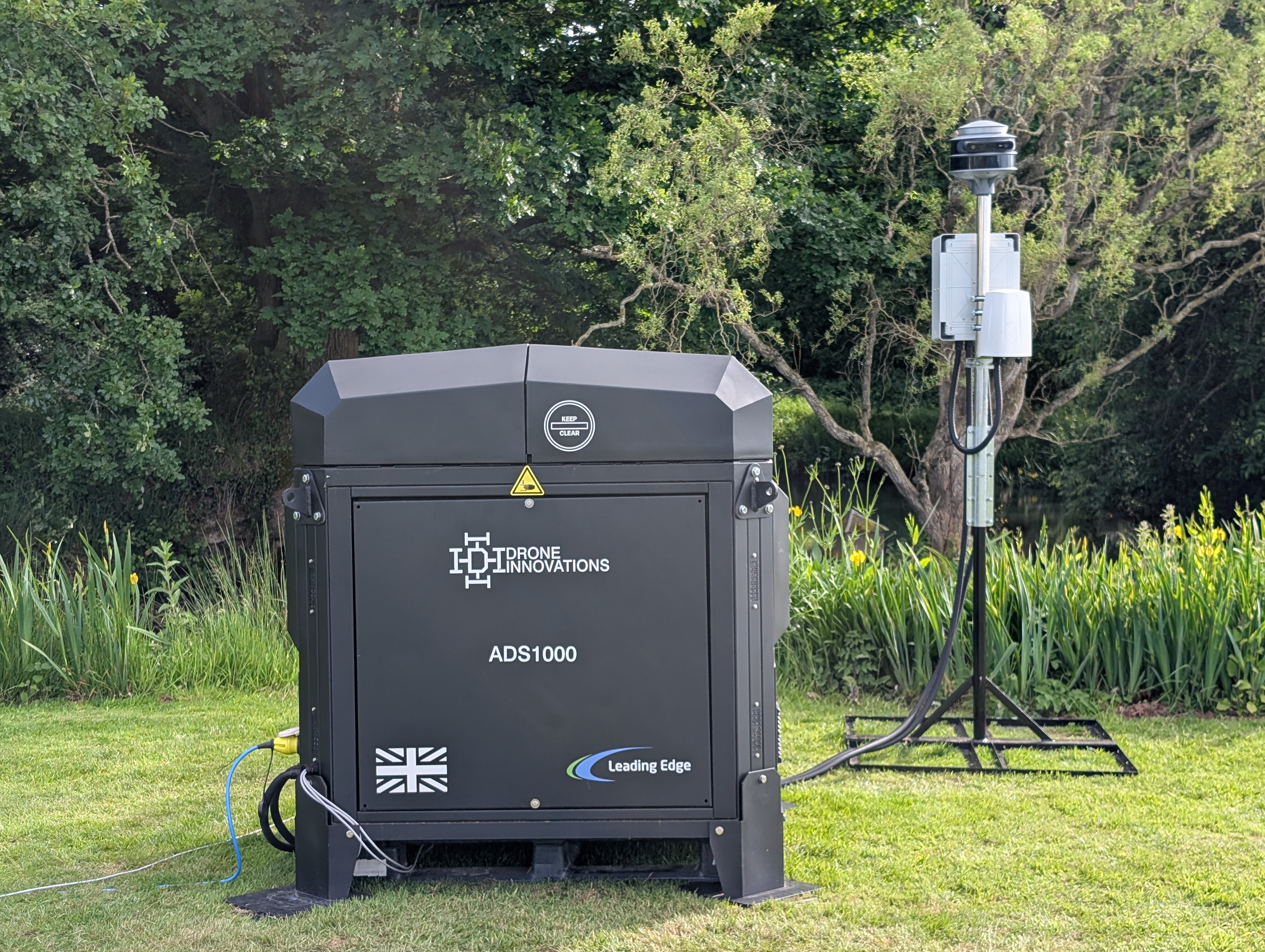
Field demonstration of autonomous drone docking station powered by monocrystalline solar panels

Field Application Benchmark

Powering Remote Autonomous Drone Docking Hubs

As industrial automation expands across linear assets like pipelines, offshore wind farms, and transport corridors, autonomous drone docking stations require localized high-power recharging hubs completely disconnected from grid access.

Unlike steady telemetry payloads, drone charging demands rapid cyclic burst power (drawing 1.5 kW to 3 kW during rapid airframe charge cycles) followed by low standby idle draw. Leading Edge Power solves this by combining high-efficiency N-type TOPCon monocrystalline solar panels with heavy-duty AGM battery banks and micro wind generation—ensuring rapid charge recovery without over-stressing energy storage or causing power brownouts.

Get a Quote

Ready to Specify Industrial Monocrystalline Solar Panels?

Send our engineering team your site coordinates, target load profile, and environmental parameters. We will model your renewable resource and deliver a complete, tender-ready technical specification and quote.