Designed & manufactured in Herefordshire, UK — shipping worldwide Mon–Thu 9–5  |  Fri 9–4  |  +44 (0)1981 241668

British Telecom-Grade Engineering Since 2009

Remote Broadband Power Solutions.

High-availability hybrid wind, solar, and methanol fuel cell power systems engineered in Herefordshire, UK. Built to guarantee 99.999% power autonomy for off-grid cellular small cells, Starlink nodes, wireless ISPs, and microwave repeaters across the world's most severe climates.

99.999%Target Telecom Availability
-40°C to +55°CRated Thermal Envelope
7 DaysZero-Sun/Wind Autonomy
100%Herefordshire Built & Tested

The Off-Grid Connectivity Challenge

Uninterrupted Remote Broadband Power Solutions: Eliminating the Grid Gap

In modern telecommunications, power reliability is network reliability. Expanding global broadband coverage—whether via Low Earth Orbit (LEO) satellite terminals like Starlink, point-to-point microwave backhauls, 4G/5G remote small cells, or Wireless Internet Service Provider (WISP) relay towers—demands continuous, low-ripple DC power in locations where utility grid access is either non-existent or financially prohibitive.

Dynamic Dynamic Surge Demands

Modern broadband transceivers and active electronic phased-array dishes do not draw static power. Satellite terminals transition instantly from low-power standby (35W) to high-power transmission bursts and snow-melt defrost modes (150W+). Generic off-grid solar power systems suffer voltage dips under these transient loads, triggering unexpected terminal reboots and network dropping.

Severe Winter Solar Deficits

Relying exclusively on solar photovoltaic (PV) arrays for remote broadband stations creates structural vulnerability during high-latitude winter months. Prolonged cloud cover, short daylight windows, and snow accumulation on PV panels reduce solar energy harvest by up to 90%, forcing conventional solar-only nodes into premature low-voltage cut-offs.

High Opex of Generator Refuelling

Deploying standalone diesel generators to power 100W–500W remote broadband repeaters generates massive operational expenditure (OPEX). Helicopter fly-ins, snowcat site visits, and engine oil services every 250 operational hours quickly eclipse initial equipment CAPEX while introducing carbon emissions into pristine ecological environments.

Carrier-Grade Equipment

Engineered Remote Broadband Power Systems

Our pre-engineered and custom remote broadband power solutions combine high-efficiency wind generation, industrial monocrystalline PV, thermal-managed battery chemistry, and optional zero-emission methanol fuel cells into single-source, turnkey power plants.

Fixed Site Broadband

OG Base Hybrid Telecom Station

Designed specifically for continuous 50W–250W continuous telecom payloads. Integrates wind and solar harvesting into a ruggedized, pre-wired platform with 5–7 days of battery autonomy.

  • Turbine: LE-300 or LE-600 Precision Micro Wind Turbine
  • Solar Yield: Up to 1.64 kWp Monocrystalline PV Array
  • Storage: Deep-Cycle AGM or Heated Low-Temp LiFePO4
  • Bus Voltage: 24V DC / 48V DC Pure Sine Wave Output
  • Telemetry: Victron Cerbo GX with SNMP/Modbus
Zero-Downtime Mission-Critical

Methanol Fuel Cell Hybrid System

For safety-critical remote broadband backhauls where 100% uptime is mandatory regardless of weather. Features an automatic Direct Methanol Fuel Cell (DMFC) emergency generator.

  • Baseline Generation: Ultra-quiet, zero-emission fuel cell backup
  • Primary Harvesting: LE-v150 Storm Wind Turbine + Solar Array
  • Autonomy: Months of unattended operation on single fuel cartridge
  • Remote Telemetry: Ultrasonic fuel level and stack diagnostic alerts
  • Operating Temp: -40°C to +50°C operational range
Rapid Deployment

Mobile Broadband Solar & Wind Trailer

Towable, deployable in under 30 minutes. Engineered for temporary broadband relay, disaster recovery communications, military field command units, and construction site Wi-Fi hubs.

  • Deployment: Integrated hydraulic/manual mast & folding solar frames
  • Power Capability: Continuous 300W–1000W load rating
  • Enclosure: IP66 powder-coated aluminum, vandal-resistant
  • Transport: Heavy-duty off-road chassis with dual braking
  • Setup Time: Single-operator commissioning without crane

Engineering Excellence & Information Gain

Architectural Framework for Zero-Downtime Broadband Power

Achieving telecom-grade "five-nines" (99.999%) uptime off-grid requires moving beyond rule-of-thumb sizing. Our UK engineering team employs meteorological modeling, dynamic energy balance equations, and advanced component matching.

1. Microclimate Resource Correlation (ERA5 & Global Wind Atlas)

Standard solar design tools rely on monthly horizontal irradiance averages, which obscure multi-day weather depressions. We model candidate broadband sites using 40 years of ERA5 reanalysis weather data blended with 250-meter resolution Global Wind Atlas datasets.

By plotting hourly wind velocity vectors against solar irradiance curves, our design tool isolates period overlaps where solar generation hits zero. In coastal, ridge, and mountainous terrain where remote broadband relay towers reside, winter storm fronts deliver high wind speeds precisely when solar yields collapse. Matching an LE-300 or LE-600 wind turbine to high-efficiency solar arrays balances the seasonal curve, drastically reducing the total battery capacity required for 7-day autonomy.

2. Transient Surge Accommodation & DC Voltage Stability

Remote broadband transceivers—especially Starlink LEO terminals and high-throughput point-to-point microwave radios—exhibit complex electrical load profiles. Peak transmit power bursts create transient current draws that cause high internal resistance batteries to experience instantaneous voltage sag.

If battery terminal voltage drops below 21.5V DC (on a 24V system) for as little as 50 milliseconds, sensitive network equipment initiates a hardware reset. Our remote broadband power solutions utilize ultra-low ESR (Equivalent Series Resistance) AGM cells or thermally regulated LiFePO4 cells paired with high-capacitance DC bus bar topologies. This guarantees voltage regulation within ±2% even during max-power Starlink snow-melting cycles or high-traffic broadband transmission bursts.

Technical Comparison: Remote Broadband Power Architectures

Power System Architecture Target Payload Capacity Winter Autonomy Capability OPEX & Maintenance Cycle Estimated Operational Life
Solar PV-Only + Lead AGM 10W – 50W Continuous Poor (Requires massive oversized PV) Moderate (Battery replacement 3-5 yrs) 5 Years
Diesel Generator Baseline 500W – 5000W Continuous High (Until fuel exhausts) Extremely High (Fuel runs every 30 days) 3 – 5 Years (Engine overhaul)
Leading Edge Hybrid (Wind + Solar) 25W – 600W Continuous Excellent (Seasonal Complementarity) Very Low (Annual visual inspection) 15+ Years (Turbine rated 20 yrs)
Leading Edge Hybrid + Methanol FC 50W – 1000W Continuous 100% Guaranteed Uptime (99.999%) Ultra Low (12-24 month fuel top-up) 15+ Years
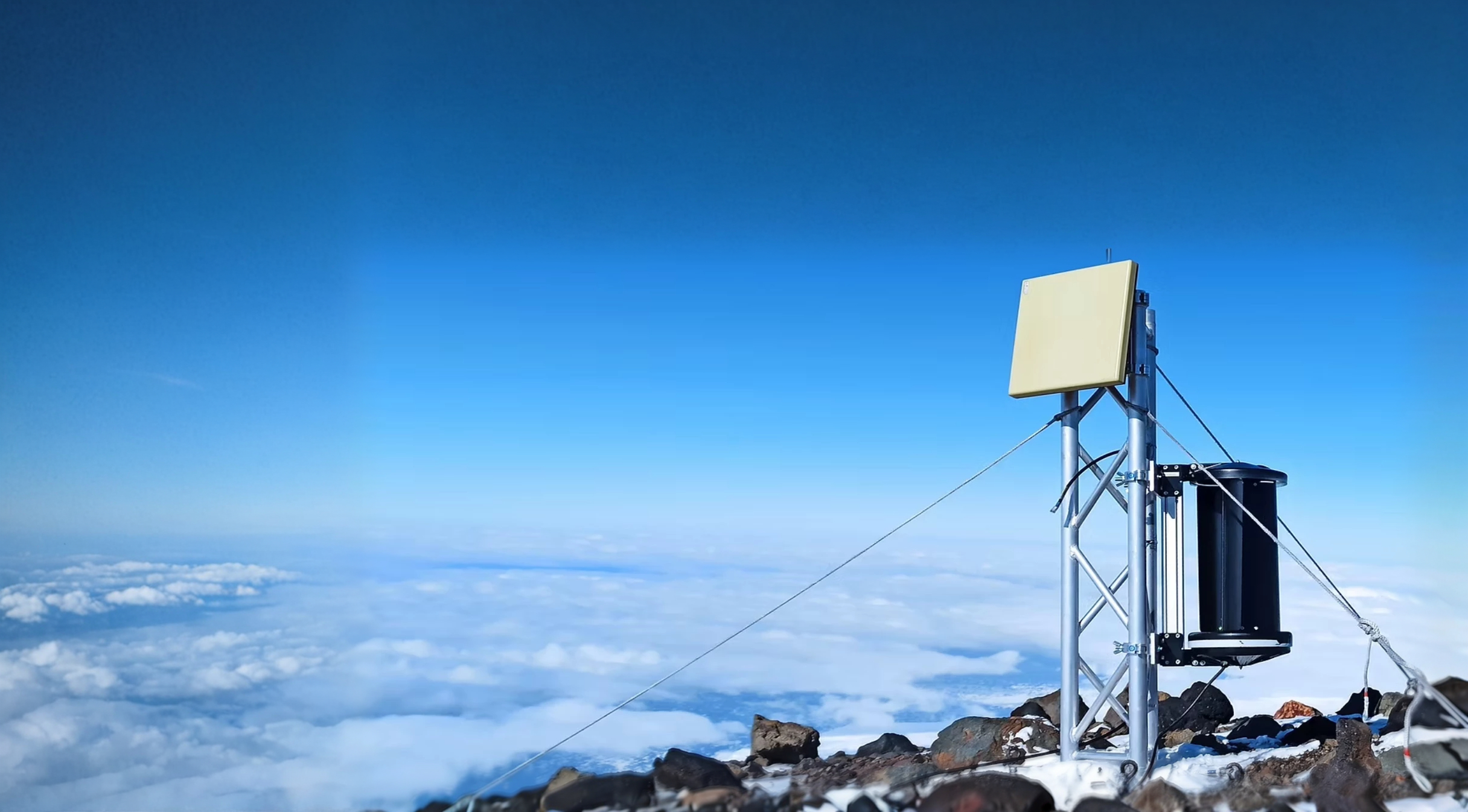
Wind turbine and solar array powering equipment on an exposed mountain broadband site

Why Specifiers Choose Leading Edge Power

Engineered & Manufactured in Britain. Proven on All 7 Continents.

Since 2009, Leading Edge Power has been designing, testing, and manufacturing off-grid power systems at our headquarters in Pontrilas, Herefordshire, UK. Unlike system assemblers who purchase off-the-shelf components from disparate suppliers, we build our micro wind turbines, custom charge control integration panels, and IP66 outdoor power enclosures in-house under strict ISO-aligned quality management.

Our off-grid engineering heritage is trusted by the world's most demanding infrastructure owners, tier-one contractors, and telecom operators—including Ørsted, Network Rail, Openreach, National Highways, and RWE Renewables. Our engineering technicians hold Global Wind Organisation (GWO) offshore certification, ensuring that the team designing your system possesses real-world experience operating in extreme marine, arctic, and high-altitude mountain environments.

"When powering remote broadband links, guessing is not an option. Because we manufacture our core wind turbines and engineer every enclosure in Herefordshire, we deliver verified 24/7 reliability across harsh UK glens, North Sea platforms, and remote global installations." Dan Goodman, Sales Director

Send an Inquiry

Proven Field Performance

Remote Broadband Power Solutions in Action

Send an Inquiry
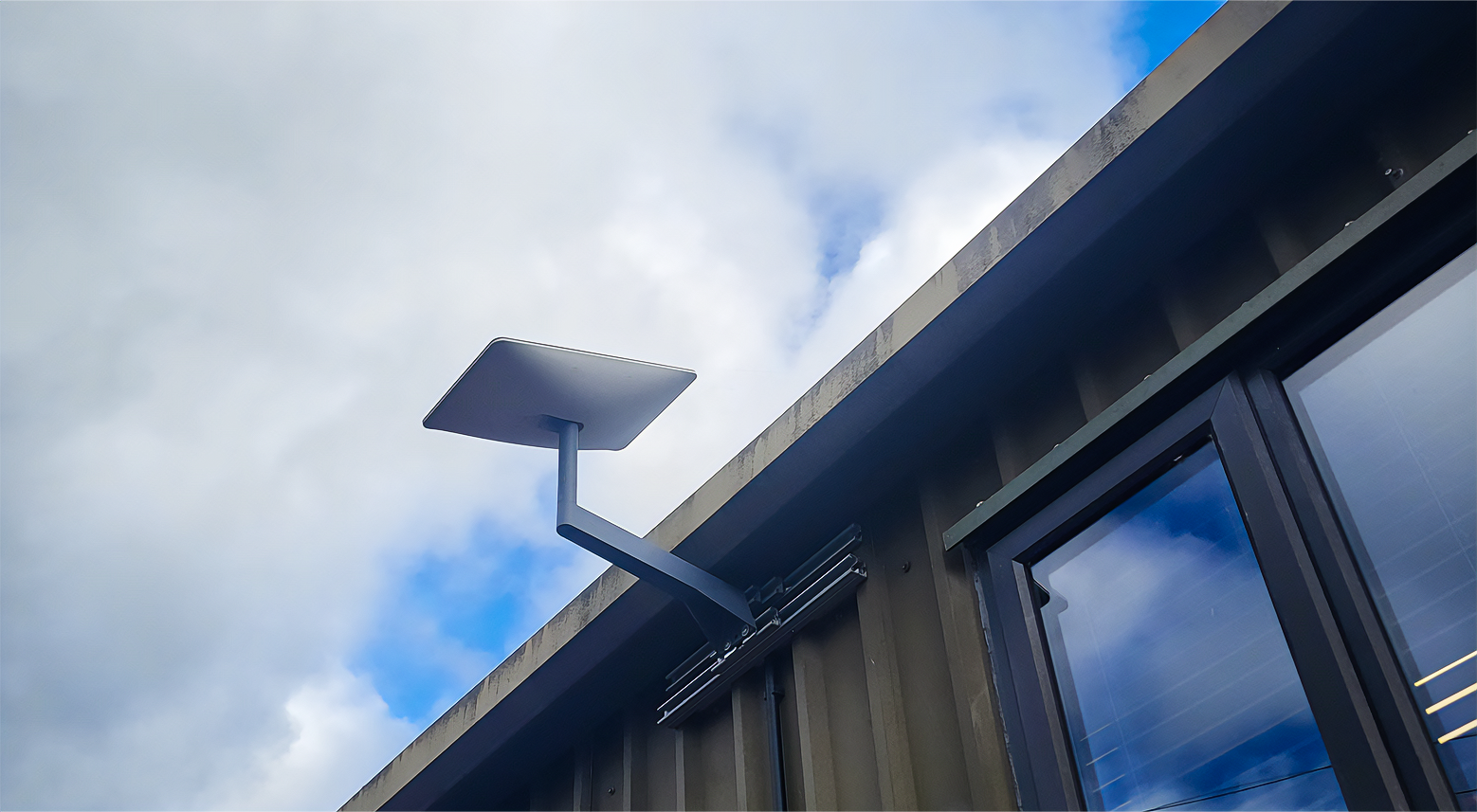
Starlink satellite broadband node powered by off-grid wind and solar system

Rural ISP Connectivity Project · Broadband

Starlink Satellite Node Powered Off-Grid

Deploying high-speed internet to a rural dark-spot requiring 24/7 internet for emergency communications. An OG Base unit—combining an LE-300 wind turbine, 3 x 330W monocrystalline solar panels, and deep-cycle AGM batteries—delivers continuous 5-day battery autonomy for a 50W-75W dynamic satellite payload.

Result: 100% network uptime; zero maintenance call-outs over 24 months

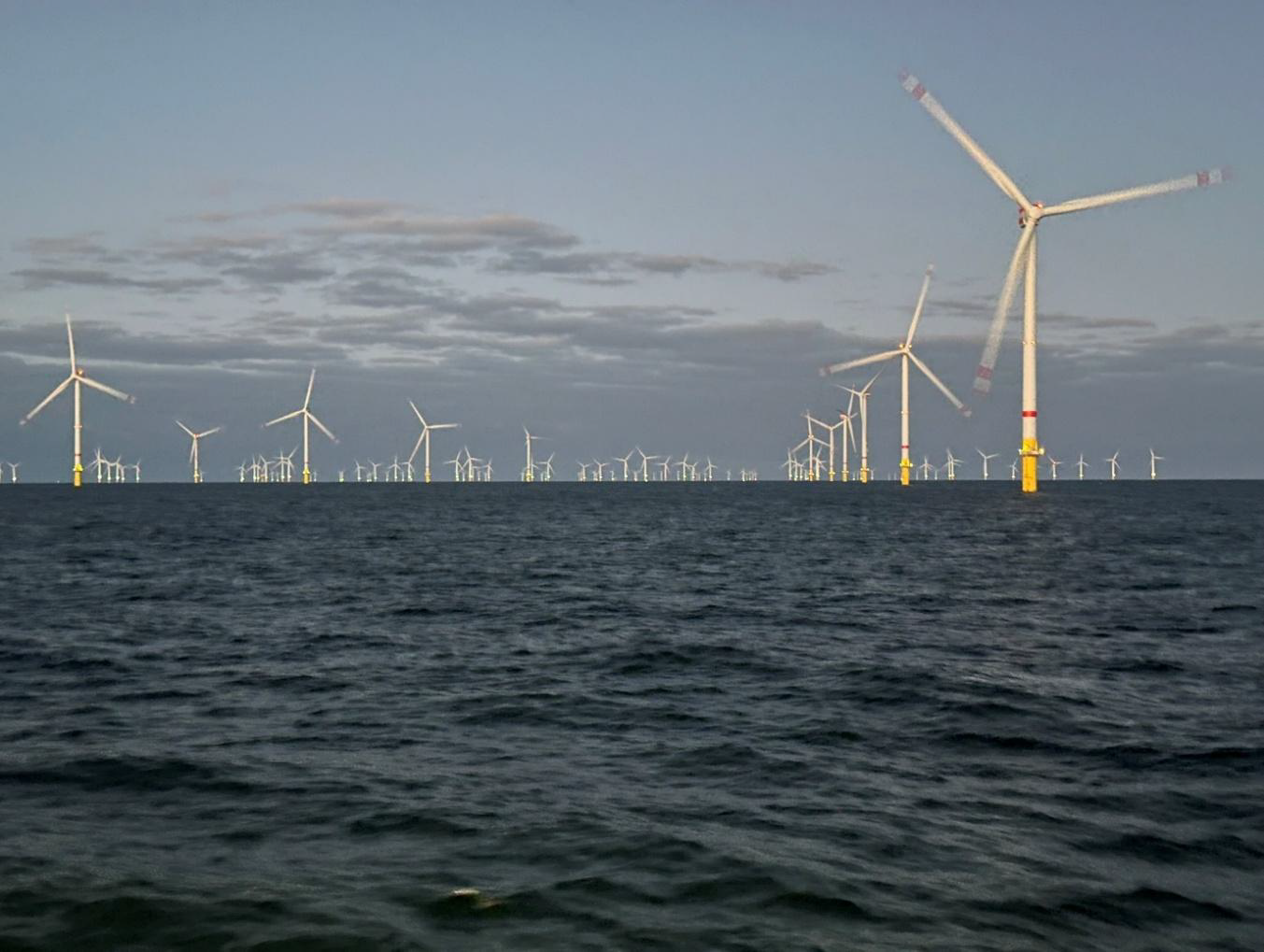
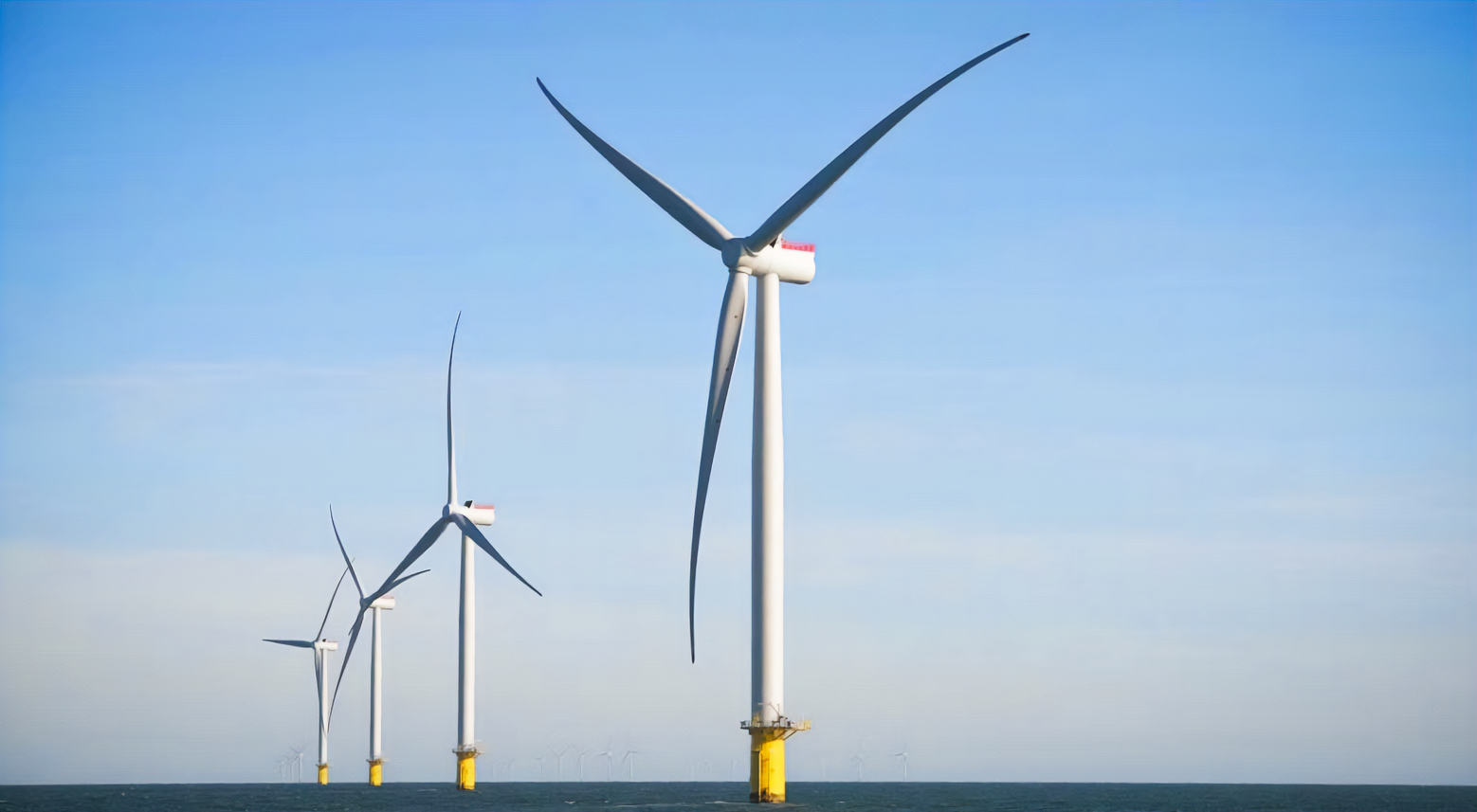
Offshore communications platform powered by hybrid renewable power system in the North Sea

Ørsted · Offshore Telecom & Broadband

Offshore Wind Farm Telecommunications, North Sea

Two hybrid systems featuring three LE-v150 Storm vertical axis wind turbines, 1.64 kWp solar PV arrays, 1600Ah AGM storage, and EFOY methanol fuel cells maintain continuous critical safety radio and satellite broadband links on unmanned platforms 72 km offshore.

Result: Five-nines (99.999%) availability in harsh salt-mist marine environment

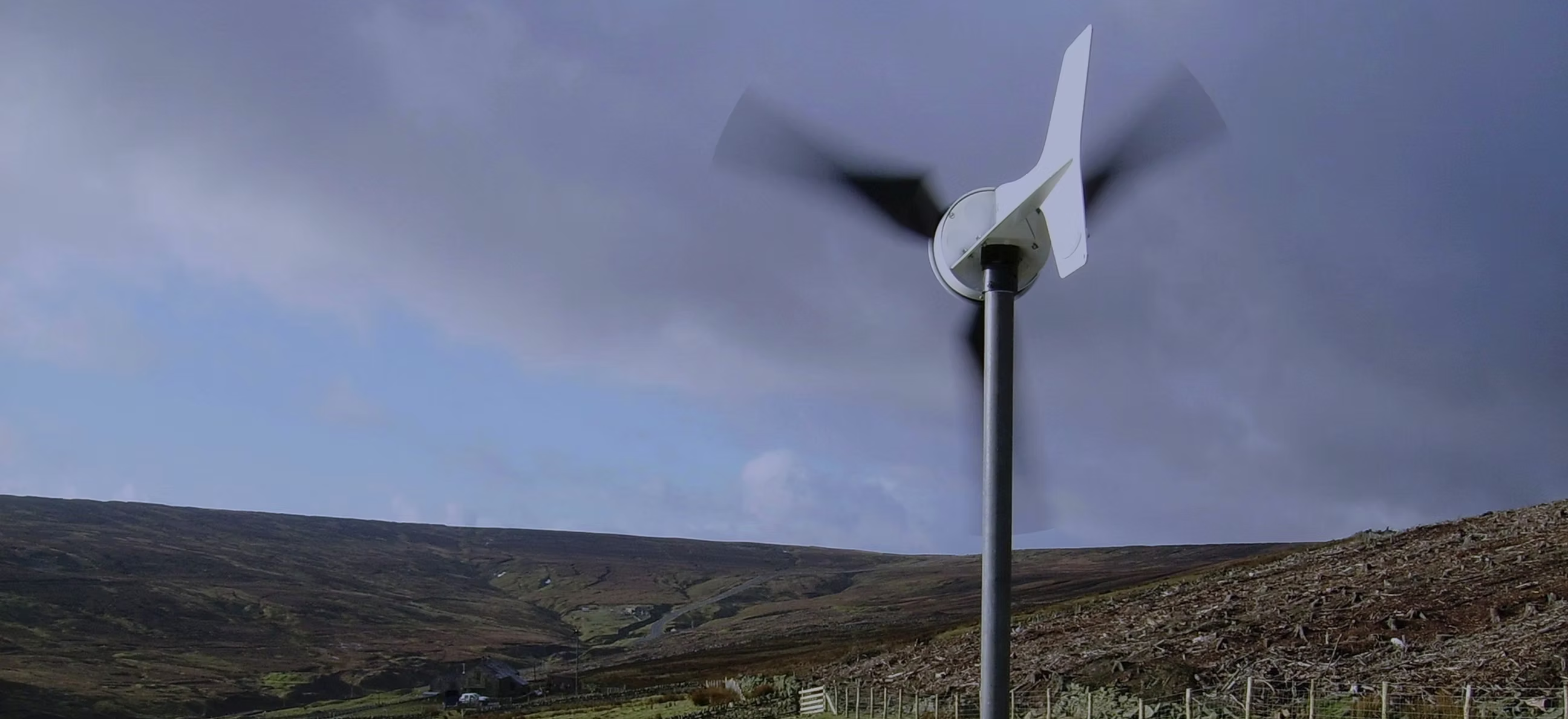
Wind turbine and solar array powering telemetry and microwave equipment

RWE Renewables · Telemetry & Data Relay

Hybrid Power for Remote Mountain Data Relay

Replaced an existing high-cost diesel/fuel-cell setup on an exposed Scottish peak with a hybrid LE-300 wind turbine and tilt-engineered solar platform. Integrated Victron Cerbo GX telemetry provides live status back to the client's engineering office.

Result: Reduced refuelling visits from bi-monthly to zero

Industry Trust & Partnership

Specified by Global Infrastructure Leaders

Our remote broadband power systems are engineered for and specified by major telecommunications operators, utilities, and infrastructure developers worldwide.

BAM Nuttall logo
National Highways logo
Network Rail logo
Openreach logo
Ørsted logo
RWE logo
Severn Trent logo
Westcotec logo

Procurement & Technical FAQ

Frequently Asked Questions on Remote Broadband Power

Technical answers to critical questions asked by telecom engineers, procurement managers, and network specifiers when evaluating off-grid broadband power stations.

Sizing is performed using hyper-local meteorological reanalysis. For a 100W continuous DC load (2.4 kWh total daily consumption), we calculate both seasonal solar irradiance (kWh/m²/day) and wind velocity distribution (Weibull shape and scale parameters) at your exact site coordinates. In typical northern European or mountain locations, a 100W payload is powered by combining a 300W micro wind turbine (such as our UK-manufactured LE-300) with 1.2 kWp to 1.6 kWp of monocrystalline solar panels and an 800Ah–1200Ah 24V deep-cycle AGM or low-temperature LiFePO4 battery array. This hybrid mix guarantees 5 to 7 days of complete electrical autonomy without requiring fossil fuel backup generators.

To obtain an exact load analysis and microclimate sizing report for your coordinates, Send an Inquiry to our technical team.

Our solutions overcome the winter solar deficit through resource hybridization and autonomous secondary backup integration. In regions situated above 45° latitude, winter solar yield drops by up to 85% compared to summer peaks. Fortunately, winter weather systems bring significantly higher average wind speeds. Micro wind turbines (such as the LE-300 and LE-600) capture wind energy during overcast winter storm fronts, charging the battery bank when PV production is negligible. For mission-critical broadband networks requiring 99.999% uptime ("five-nines"), we integrate Direct Methanol Fuel Cells (DMFC) into the DC bus bar. The fuel cell remains in standby until battery depth-of-discharge reaches a set threshold (e.g., 40% SoC), auto-starting to supply clean DC power regardless of wind or solar conditions.

Traditional diesel generators running continuously for small off-grid broadband loads (100W–500W) suffer from severe mechanical wear, low thermal efficiency (wet-stacking), and immense fuel supply OPEX. A diesel generator running 24/7 consumes over 3,000 liters of fuel annually, requiring site visits every 3 to 6 weeks and engine overhauls every 2,500 to 5,000 hours. In remote mountainous, island, or forest terrain, fuel delivery costs can exceed €5.00 to €15.00 per liter. In contrast, a Leading Edge hybrid wind-solar power station eliminates 95% to 100% of fuel consumption. Capital investment in a hybrid power station achieves complete ROI within 14 to 22 months, while extending physical maintenance service intervals to 12–24 month visual inspections.

LEO satellite terminals (such as Starlink Enterprise) and microwave transceivers exhibit dynamic load spikes during active transmission vectors or low-temperature snow-melt heating states, jumping from a baseline 40W to over 150W. Generic charge controllers and high-resistance battery banks often suffer localized voltage drop under sudden current surges, causing the terminal's low-voltage disconnect switch to trip and re-booting the connection. Leading Edge Power solutions incorporate low-ESR battery storage, high-frequency MPPT charge regulation, and heavy-gauge busbar distribution designed to absorb transient load dynamics while stabilizing system DC voltage within ±2% tolerances.

Need exact electrical specifications for your satellite equipment? Send an Inquiry to consult with an engineer.

Yes. Every custom remote broadband power unit features an integrated network telemetry controller (e.g., Victron Cerbo GX, SNMP Gateway) communicating over Modbus RTU/TCP, MQTT, and SNMP v2c/v3 protocols. System operational telemetry—including individual solar string voltage, wind turbine instant wattage, battery State of Charge (SoC), internal enclosure temperature, load current, and methanol fuel levels—is transmitted securely over the broadband link itself, cellular connection, or secondary satellite telemetry. Network Operation Centers (NOC) receive real-time alarm traps for low voltage, extreme temperatures, or door open intrusion prior to system failure.

Our micro wind turbines (such as the LE-300, LE-600, and LE-v150 Storm) are manufactured in Herefordshire, UK, specifically engineered for harsh marine and alpine environments. Key survivability engineering includes: high-pressure aluminum die-cast housings coated with ISO 12944 C5-M extreme marine-grade epoxy powder paint; marine-grade stainless steel (A4/316) external fasteners; dual-sealed SKF precision bearings; and passive thermodynamic aerodynamic blade stall / tail-furling storm protection mechanisms. Our turbines operate continuously in ambient temperatures ranging from -40°C to +55°C and are tested to sustain continuous gale force winds up to 27 m/s (60 mph) and storm gusts exceeding 60 m/s (134 mph).

Engineered Remote Broadband Power Without Compromise.

Planning an off-grid wireless network, Starlink terminal rollout, or remote telecom repeater site? Send our UK design team your site coordinates and daily load profiles for a complimentary ERA5 microclimate energy balance report.