
Enterprise Product Lineup
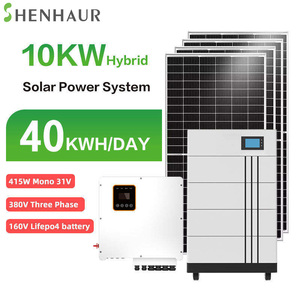
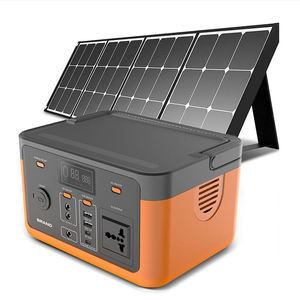
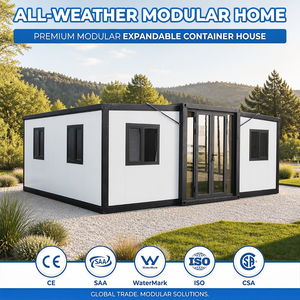
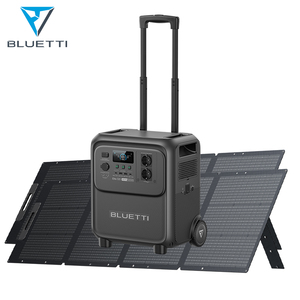
Featured Industrial Turbine Generators & Hybrid Energy Solutions
Specially engineered for the Netherlands market: low cut-in wind turbines, high-capacity LiFePO4 energy storage, and off-grid generator systems compliant with Dutch and European safety standards.
SHENHAUR Off-Grid Hybrid Power Kit 5kW - 10kW Wind-Solar Integrated Systems
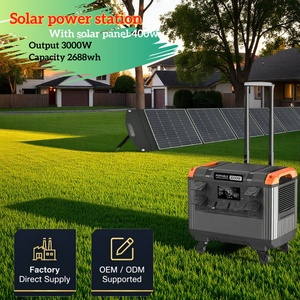
High-Efficiency Modular Solar & Wind Energy Storage Generator (300W - 3000W)
20ft Modular Power-Integrated Expandable Station Enclosure & Field Work Hub
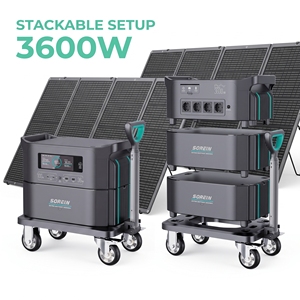
Sorein All-in-One Heavy Duty Turbine Power Generator Station (2KW to 5KW)
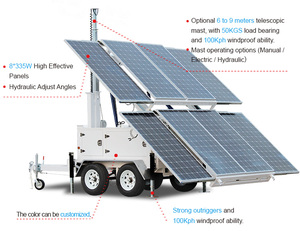
Mobile Renewable Hybrid Power Trailer with High Mast Light & Generator System
OTHC-T30 OEM/ODM Customized Industrial LiFePO4 Fast-Charge UPS & Generator
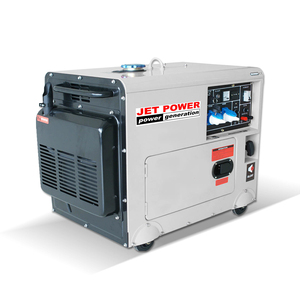
10kVA / 10kW Ultra-Silent Single/Three Phase Diesel Turbine Backup Generator
Industry White Paper
Navigating the Netherlands Energy Transition: Modern Turbine Generator Architecture
As the Netherlands accelerates its commitment to reducing carbon emissions under the European Green Deal and national Climate Agreement (*Klimaatakkoord*), industrial specifiers, marine engineers, and infrastructure planners are confronting unprecedented electrical challenges. The rapid deployment of offshore wind in the North Sea, combined with severe electrical grid congestion (*netcongestie*) across provinces like Gelderland, Noord-Brabant, and North Holland, has shifted the paradigm of power generation.
In this dynamic landscape, traditional stand-alone diesel generation is no longer economically or environmentally viable for Dutch enterprises. Modern power strategy demands high-reliability turbine generators, micro-wind turbines, and integrated battery energy storage systems (BESS) capable of functioning autonomously in harsh coastal climates while delivering continuous, grid-compliant power.
Addressing Grid Congestion (Netcongestie) with Decentralized Turbine Engineering
Grid congestion in the Netherlands has reached critical thresholds, preventing commercial facilities, agricultural complexes, and logistics parks from expanding their grid connections. TenneT and regional Distribution System Operators (DSOs) such as Liander, Enexis, and Stedin increasingly issue zero-delivery contracts or cap connection capacities.
To overcome these capacity bottlenecks, our specialized turbine generator systems serve as decentralized energy hubs. By pairing low-cut-in horizontal and vertical axis wind turbines with high-density LiFePO4 battery banks and smart MPPT controllers, Dutch industrial sites can operate in peak-shaving or fully off-grid modes. This hybrid architecture captures kinetic wind energy during typical coastal weather patterns and balances solar shortfalls throughout the low-irradiance winter months.
Localized Deployment
Engineering Solutions Tailored for Dutch Regional Environments
From off-shore North Sea installations to vulnerable inland polder drainage systems, our turbine generator configurations are built to operate flawlessly under stringent environmental and technical regulations.
North Sea Offshore Wind & Telecom Sub-Assets
Offshore wind farms in the Dutch North Sea require unyielding auxiliary power for sub-sea telemetry, marine safety lighting, and offshore substations (*Stopcontacten op zee*). Our marine-grade micro wind turbines featuring C5-M anti-corrosion coatings and GWO-technician serviceable components ensure 24/7 telemetry uptime even during extreme North Sea gales.
Polder Infrastructure & Water Boards (Waterschappen)
With over 26% of the Netherlands situated below sea level, water management operated by Dutch regional Water Boards (*Waterschappen*) relies on continuous pumping power. Our hybrid turbine generator sets provide redundant, zero-fail backup power for water level telemetry, sluice gate actuators, and emergency polder drainage stations.
Agricultural & Greenhouse Complex Micro-Grids
In high-density agricultural clusters across Westland and Agriport A7, energy demands are continuous. Installing decentralized vertical axis wind turbines combined with modular power storage containers allows greenhouse operators to maintain supplemental heating control, automated climate regulation, and peak-shaving without triggering DSO grid penalties.
Technical Insight
Engineering Rigor & Equipment Performance Matrix
Choosing the right generator and energy conversion architecture requires rigorous technical evaluation. Below is an engineering baseline comparison between conventional stand-alone diesel units and our advanced Hybrid Wind-Solar-Storage Turbine Systems.
| Technical Parameter | Standard Diesel Generator | AICC Micro Wind-Solar Hybrid Unit | AICC Heavy Duty Turbine Generator Set |
|---|---|---|---|
| Primary Fuel Source | EN 590 Diesel / Red Diesel | Kinetic Wind Energy + PV Solar | Dual-Fuel / Direct Kinetic + Battery Buffer |
| Corrosion Resistance Class | Standard C2 / C3 Enclosure | ISO 12944 C5-M Marine Grade | Heavy Industrial C4 / C5-M Option |
| Cut-in Wind Speed | N/A | 1.8 m/s - 2.5 m/s | 2.0 m/s - 2.8 m/s |
| Operational Uptime Autonomy | Limited by tank size (~8-24 hrs) | 3 to 7 Days Continuous Autonomy | Indefinite (With Automated Back-Up) |
| Grid Compliance | Manual Sync Required | VDE-AR-N 4105 & CE Grid-Tie Approved | Ultra-Fast ATS Switch (< 5ms) |
| Maintenance Interval | 250 Hours Engine Service | 50,000 Hours (Brushless Alternators) | Annual Preventive Inspection |
Key Technical Advantages of Our Generator Architecture
Permanent Magnet Synchronous Generators (PMSG)
Our micro wind turbines utilize rare-earth neodymium (NdFeB) permanent magnet synchronous alternators. PMSG technology eliminates gearboxes, drastically reducing mechanical wear, noise emissions, and thermal loss while enabling electromagnetic auto-braking during severe North Sea wind spikes above 27 m/s.
Advanced MPPT & Deep-Cycle Battery Integration
Integrated Maximum Power Point Tracking (MPPT) charge controllers extract up to 30% more energy from variable coastal wind profiles. Energy is safely stored in industrial-grade LiFePO4 battery modules equipped with integrated thermal management systems (TMS) designed for northern European climate swings.
Regulatory & Market Trends
The Netherlands 2030 Renewable Energy Directive & Compliance Standards
Procurement of power generation assets in the Netherlands requires strict alignment with national decarbonization targets, municipal noise pollution ordinances, and European Union machinery directives.
Stricter Nitrogen & Emission Limits (Stikstofcrisis)
The ongoing Dutch nitrogen crisis (*stikstofproblematiek*) has led to rigorous restrictions on fossil-fuel emissions at construction compounds, port zones, and nature conservation areas (*Natura 2000*). Transitioning to hybrid micro-turbine and solar generators allows contractors to secure environmental permits (*Omgevingsvergunning*) rapidly by proving near-zero site emissions.
Subsidies & Tax Incentives (EIA / MIA / VAMIL)
Dutch corporate specifiers investing in high-efficiency turbine generators and battery storage systems can leverage significant tax relief programs. The Energy Investment Allowance (*Energie-investeringsaftrek - EIA*) enables businesses to deduct up to 45.5% of eligible investment costs from their taxable commercial profits.
Acoustic & Environmental Nuisance Regulations
Municipalities like Amsterdam, Rotterdam, and Utrecht enforce strict acoustic limits (BAL thresholds) for nighttime equipment operation. Our vertical axis micro-turbines and soundproof silent generator enclosures operate below 45 dB(A) at 7 meters, fully compliant with urban residential proximity standard APV requirements.
Why Partner With Us
Global Exporter Capabilities with European Design Precision
With over a decade of engineering excellence, our organization designs, builds, and exports industrial-grade turbine generators and off-grid power infrastructure deployed across all seven continents.
ISO 9001 & CE Certified Production
Every turbine, alternator, and control panel undergoes rigorous quality testing and factory acceptance testing (FAT) before export dispatch.
Storm Survival Engineering
Aerodynamically balanced blades and dual-stage mechanical/electromagnetic braking ensure structural integrity during extreme weather events.
ERA5 Resource Sizing
We cross-reference historical meteorological dataset reanalysis with your target Dutch GPS coordinates to engineer precise power autonomy ratios.
Direct Export Logistics
Streamlined customs clearance and direct freight dispatch to Rotterdam Port, Schiphol Logistics Hub, or direct site drop-off across NL.
Buyer Knowledge Hub
Frequently Asked Questions by Netherlands Buyers
Key considerations for engineering specifiers, procurement leaders, and project managers importing turbine generators into the Dutch market.
Q: How do your wind turbine generators perform during low-wind inland conditions in the Netherlands?
Our horizontal and vertical axis micro wind turbines are equipped with custom-wound low-rpm Permanent Magnet Synchronous Generators (PMSG). They feature start-up torque parameters that allow cut-in speeds as low as 1.8 m/s to 2.5 m/s. This ensures consistent power harvest even in inland Dutch regions like Utrecht or North Brabant where average annual wind speeds are lower than on the North Sea coastline.
Q: Are your power generation units fully compliant with Dutch grid connection codes (VDE-AR-N 4105 / EN 50549)?
Yes. For grid-tied or hybrid self-consumption installations, our grid-interactive inverters and control systems comply with EN 50549-1 and VDE-AR-N 4105 standards required by Dutch distribution system operators (Liander, Enexis, Stedin). Integrated anti-islanding protection and reactive power control ensure seamless compliance during inspection.
Q: What anti-corrosion protection is applied to marine generator installations near North Sea waters?
All turbines, mounting frames, and generator housings specified for coastal or offshore deployment feature heavy-duty hot-dip galvanization and multi-layer epoxy powder coating certified to ISO 12944 C5-M (Marine High Durability). Hardware is fabricated exclusively from 316-grade stainless steel to prevent salt mist degradation.
Q: How does your hybrid architecture assist companies affected by grid connection caps (Netcongestie)?
Our hybrid turbine generators operate as an intelligent zero-feed-in or off-grid island system. By combining local wind kinetic conversion, solar PV generation, and a LiFePO4 energy storage buffer, your facility can power critical industrial loads, EV fleets, or machinery without exceeding your contracted grid capacity limits.
Q: What is the lead time for export and delivery to job sites in Rotterdam, Amsterdam, or regional NL?
Standard portable generators, modular power stations, and stocked micro turbine kits ship within 5-7 business days, with transit times to main Dutch logistics centers (Rotterdam Port / Amsterdam area) taking approximately 3-5 days via consolidated freight. Custom engineered containerized systems typically carry a manufacturing lead time of 4 to 6 weeks.
Engineering Consultation
Ready to Power Your Dutch Project with Next-Generation Turbine Technology?
Whether you require micro wind generators for an offshore asset, a hybrid system to bypass grid congestion, or direct factory pricing on containerized power units, our technical engineering team is standing by.