Designed & manufactured in Herefordshire, UK — shipping worldwide Mon–Thu 9–5 | Fri 9–4 | +44 (0)1981 241668

Engineered for extreme maritime exposure, rapid deployment, and grid independence across Sri Lanka’s expanding industrial and coastal sectors.
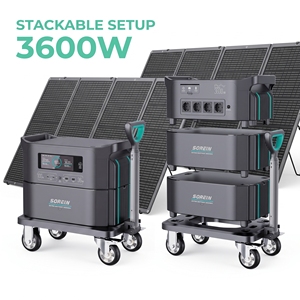
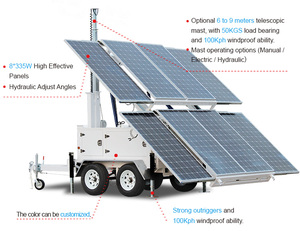
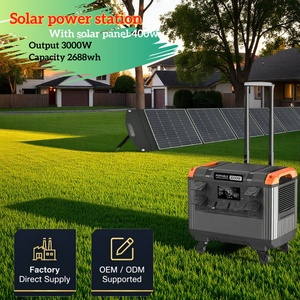
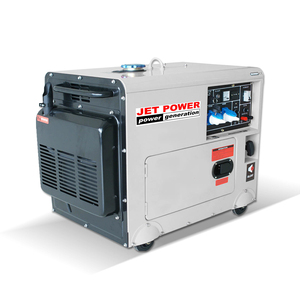
Sri Lanka represents a unique and highly demanding geographical domain for renewable energy infrastructure, particularly wind turbine rotor blades and hybrid power components. Positioned strategically within the Indian Ocean at the convergence of the South-West (May to September) and North-East (December to February) monsoons, the island exhibits extraordinary wind resource density. Key corridors such as the Mannar Basin, Kalpitiya Peninsula, Hambantota coastal belt, and the Central Highlands (Nuwara Eliya & Ambewela) demonstrate mean annual wind speeds exceeding 7.0 to 8.5 meters per second at standard hub heights.
However, harvesting energy within these microclimates presents stringent engineering challenges. Rotor blades operating across Sri Lankan installations face intense localized aerodynamic stressors:
High relative humidity (frequently exceeding 85%) combined with dense sea-salt aerosol transport accelerates structural degradation and surface oxidation on non-coated blade structures along coastal wind parks like Mannar and Puttalam.
Seasonal tropical depressions stemming from the Bay of Bengal induce sudden severe turbulence intensity, high shear stress, and extreme wind gust vectors up to Class I+ levels (IEC 61400-1 standards).
Intense tropical solar radiation generates high surface temperatures on rotor blades, inducing thermal stress and UV-driven polymer matrix breakdown if unmitigated by specialized epoxy formulations.
As leading turbine blade suppliers and global exporters serving the Sri Lanka market, our engineering framework integrates material science advancements specifically targeted at counteracting tropical degradation. By synthesizing advanced blade structural design with localized environmental modeling, we ensure maximum annual energy production (AEP) and uninterrupted grid stability for utility-scale developers and private off-grid operators alike.
The structural integrity of a modern wind turbine blade directly dictates system efficiency, fatigue lifespan, and levelized cost of energy (LCOE). Our exported rotor blade portfolio utilizes high-modulus hybrid material matrices engineered via automated vacuum-assisted resin transfer molding (VARTM).
To accommodate the immense bending moments exerted by monsoonal gusts without adding excessive dead weight to the drivetrain, our heavy-duty and utility-grade blades incorporate pultruded carbon-fiber spar caps. Carbon fiber provides superior tensile strength-to-weight ratios compared to traditional E-glass. This structural configuration mitigates gravity-induced fatigue loads while maintaining optimal aerodynamic foil pitch during high-velocity wind events.
Leading-edge erosion caused by airborne sand, heavy tropical rain droplets, and salt particulates can reduce annual energy output by up to 5% within three years of deployment. Our Sri Lanka-bound turbine blades feature multi-layered polyurethane-based Leading Edge Protection (LEP) tapes and liquid coatings. Tested under accelerated rain erosion rig conditions at speeds up to 140 m/s, these shields preserve aerodynamic lift profiles over 20+ years of continuous service.
To meet environmental compliance regulations near populated agricultural regions and coastal communities in Sri Lanka, our blades incorporate engineered trailing-edge serrations (TE-serrations). These bio-inspired serrations break up large vortex sheds into smaller, high-frequency turbulence patterns, reducing boundary layer noise by 2.5 to 3.5 dB(A) without sacrificing aerodynamic torque generation.
The table below highlights the performance parameters of our composite blade architectures engineered for Sri Lanka's tropical marine environment compared to standard industry baseline designs:
| Performance Parameter | Standard E-Glass Blade | Advanced Carbon-Epoxy Hybrid (Our Spec) | Sri Lanka Field Benefit |
|---|---|---|---|
| Tensile Modulus (GPa) | 40 - 45 GPa | 115 - 140 GPa | Prevents blade-tower strikes during sudden cyclonic wind gusts. |
| Fatigue Life (Cycles @ 200 MPa) | 106 cycles | > 108 cycles | Extends operational lifespan in high-turbulence monsoons to 25+ years. |
| Coating Resistance (ASTM B117) | 1,000 Hours Salt Spray | > 5,000 Hours Marine Grade | Zero delamination in coastal zones (Mannar, Kalpitiya, Hambantota). |
| Cut-in Wind Speed Sensitivity | 3.0 - 3.5 m/s | 2.0 - 2.5 m/s | Captures low-wind shoulder periods between major monsoons. |
| UV Degradation Resistance | Standard Gelcoat (Yellows < 5 yrs) | Fluoropolymer-Modified UV Shield | Maintains structural surface integrity under high tropical irradiance. |
Sri Lanka's national strategy to achieve 70% renewable energy generation by 2030 requires robust, diversified technology deployment. Our supply chain supports multiple sectors across the island:
Providing high-efficiency, IEC Class I/II rated replacement and OEM rotor blades for large-scale developments in the Mannar Wind Park corridor, maximizing grid capacity factors for Ceylon Electricity Board (CEB) transmission networks.
Supplying small-to-medium horizontal and vertical axis turbine blades paired with hybrid solar-diesel storage units for tea estates in the Central Highlands, textile factories in Katunayake, and resort infrastructure in Southern Province.
Deploying specialized short-chord, high-solidity blades engineered for hydro-kinetic and offshore wind power installations in the Palk Strait, where directional tidal currents and consistent maritime breeze intersect.
Drawing on over 15 years of dedicated British design heritage, rigorous testing, and worldwide export operations across 7 continents, our manufacturing and technical capabilities ensure complete reliability from factory floor to installation site.
Recent macroeconomic and grid instability challenges in Sri Lanka have accelerated the decentralization of industrial energy supply. Major commercial enterprises, manufacturing plants, and telecommunication tower operators are rapidly adopting Hybrid Wind-Solar-Storage Solutions to ensure 100% operational uptime.
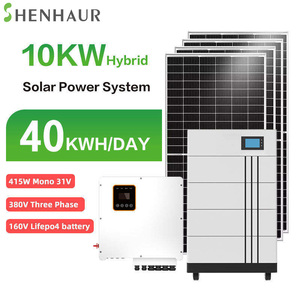
During monsoon transitions, solar irradiation frequently dips due to heavy cloud cover, exactly when monsoonal wind speeds peak. Combining high-yield wind turbine generators equipped with our optimized composite blades alongside monocrystalline solar arrays and lithium (LiFePO4) storage ensures a flat, year-round power supply curve. This hybrid synergy drastically reduces reliance on imported fossil fuels and expensive grid tariffs.
Whether you require utility-scale replacement turbine blades, custom aerodynamic prototyping, or complete off-grid hybrid energy infrastructure, our engineering experts are ready to assist.