Designed & manufactured in Herefordshire, UK — shipping worldwide Mon–Thu 9–5 | Fri 9–4 | +44 (0)1981 241668

Explore enterprise-grade wind turbine charge controllers, hybrid generator power stations, and heavy-duty off-grid units designed for extreme tropical climates and high load demands.
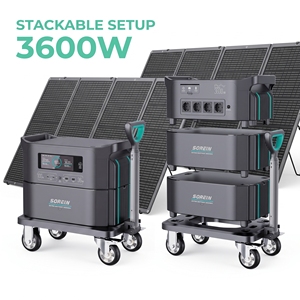
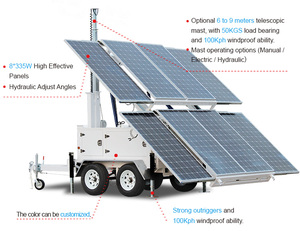
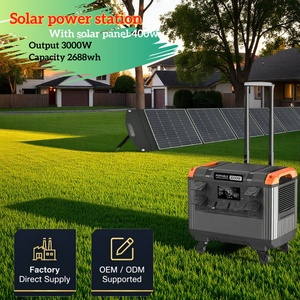
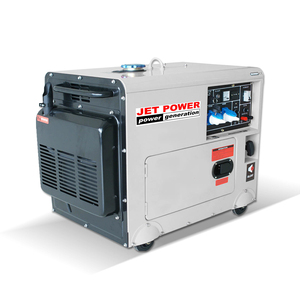
Nigeria's energy transition is defined by a critical imperative: bridging the supply-demand gap caused by national grid instability, frequent drop-outs, and soaring diesel costs following fuel subsidy rollbacks. While solar photovoltaic (PV) systems have proliferated across West Africa, relying solely on solar yields power deficits during the prolonged rainy season (May to October) and during Harmattan haze events in Northern regions like Kano and Sokoto.
Integrating small horizontal-axis or vertical-axis wind turbines with solar arrays creates a highly resilient hybrid microgrid. However, the core intelligence of any wind energy installation rests upon the Wind Turbine Charge Controller. Unlike standard solar controllers that simply disconnect or throttle current when batteries reach full state-of-charge (SoC), a wind controller manages alternating current (AC) three-phase high-voltage power generation, rectifies it to direct current (DC), executes dynamic Maximum Power Point Tracking (MPPT), and regulates mechanical over-speed using automated Electronic Dump Loads.
A wind turbine rotor cannot be left open-circuited during high winds. Without an active load or dump-load brake connected to the charge controller, a wind turbine will enter free-spinning over-speed, destroying its bearings, throwing rotor blades, or burning out alternator windings. Sizing wind turbine charge controllers for Nigerian installations requires assessing dynamic dump load capabilities, heat dissipation under high ambient temperatures (up to 45°C), and coastal salt-air corrosion protection.
Choosing between MPPT, PWM, and Hybrid Rectification Controllers for Nigerian Field Deployment
Utilizes ultra-fast algorithms to constantly match turbine alternator impedance with battery internal resistance. Yields up to 35% more power in low wind zones like Abuja and Kwara state.
Features Pulse Width Modulation (PWM) diverting excess power to ceramic or stainless-steel resistor banks. Critical for protecting turbines against Harmattan wind gusts in northern territories.
Single-chassis architecture incorporating dual MPPT tracking circuits for simultaneous wind turbine AC input and PV panel DC input into a unified 24V/48V/96V battery bank.
When procuring off-grid infrastructure in Nigeria, buyers require proven field reliability, factory-backed warranties, custom firmware settings, and local service support. Below is an evaluation of the leading global manufacturers and OEM suppliers servicing West Africa.
| Manufacturer / OEM | HQ Location | Core System Voltage | Key Features & Technical Strengths | Suitability for Nigeria |
|---|---|---|---|---|
| 1. Leading Edge Power | United Kingdom | 12V / 24V / 48V | Offshore storm-grade controllers, GWO certified, low cut-in MPPT, integrated dump loads. | Optimal (Coastal & Marine Remote Sites) |
| 2. Victron Energy B.V. | Netherlands | 12V to 48V (Custom) | SmartSolar & Lynx systems, VRM remote management network, robust Modbus communication. | High (Telecom & Commercial Microgrids) |
| 3. MidNite Solar Inc. | United States | 12V - 72V / High Volt | Classic MPPT series, integrated arc fault detection, extreme heat heavy aluminum casing. | High (Industrial Off-Grid & Mining) |
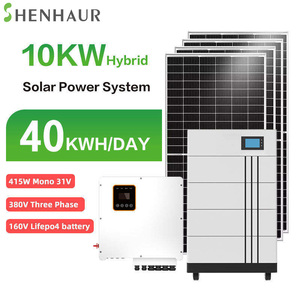
| 4. Shenhaur Power Systems | China (OEM Factory) | 24V / 48V / 96V / 220V | High-power custom hybrid controllers (5kW-50kW), factory-direct OEM/ODM production lines. | High (B2B Commercial & Government Projects) |
| 5. Sorein Energy Technologies | China (Factory) | 24V / 48V | All-in-one generator-ready hybrid charge control, ruggedized casing, rapid export delivery. | Good (Portable & Construction Power) |
| 6. OutBack Power Systems | United States | 24V / 48V / 60V | FLEXmax series, advanced thermal management, high surge capacity for heavy inductive loads. | Good (Estate & Healthcare Microgrids) |
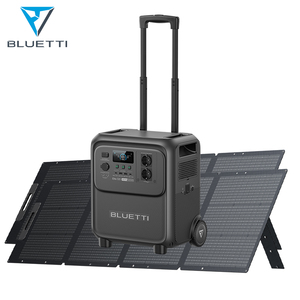
| 7. Bluetti Industrial Co. | China | Modular Internal DC | Plug-and-play high-capacity storage integration with multi-source charge management. | Good (Commercial Offices & Rapid Field Deploy) |
| 8. Morningstar Corporation | United States | 12V / 24V / 48V | TriStar MPPT & PWM controllers, passive cooling without fans, high humidity resistance. | High (Remote Telemetry & Weather Stations) |
| 9. Phocos AG | Germany | 12V / 24V / 48V | Any-Grid hybrid inverter-chargers, tough IP68 encapsulated modules for harsh environments. | Good (Agricultural Irrigation & Off-Grid) |
| 10. Schneider Electric | France | 48V / High Voltage | Conext MPPT 80 600, industrial grid-tie and off-grid automation, local Lagos engineering support. | High (Utility Infrastructure & Oil/Gas) |
Off-grid energy designs in Nigeria cannot adopt a "one-size-fits-all" approach. Specific geopolitical zones present unique atmospheric, environmental, and infrastructure challenges.
The Atlantic coastline of Lagos, Delta, Rivers, and Bayelsa states experiences high humidity and salt spray. Wind controllers deployed here must feature marine-grade PCB conformal coating, anodized aluminum heat sinks, and IP67 sealed enclosures to prevent salt-fog bridge short-circuiting.
Base Transceiver Stations (BTS) across remote locations in Kaduna or Enugu require uninterrupted 48V DC power. A hybrid solar-wind controller reduces continuous generator runtime from 24 hours to under 2 hours daily, directly slashing diesel logistics costs.
Large farms in Benue and Plateau states rely on wind turbine power for deep-well water pumping and cold storage. High-capacity controllers equipped with dynamic dump loads ensure extra wind energy during night gusts is safely shunted to water heating elements.
The Nigerian renewable market is undergoing structural shifts driven by macroeconomic changes and technological advancements:
Legacy sealed lead-acid (SLA) and AGM batteries are rapidly being replaced by LiFePO4 chemistry across Lagos industrial hubs. Charge controllers must feature fully customisable absorption, float, and high-voltage cutoff parameters via RS485/CAN-Bus interfaces to communicate directly with Battery Management Systems (BMS).
Given the vast geographical spread of remote installations in Nigeria, field engineers require real-time visibility. Modern charge controllers integrate SIM card slots or LoRaWAN transmitters to push live data regarding turbine RPM, voltage, thermal dissipation, and fault logs straight to cloud dashboards.
To maintain 100% uptime in unpredictable climate conditions, controllers must undergo rigorous factory endurance validation prior to shipment:
Controllers are loaded to 125% of rated capacity inside thermal chambers set to 55°C for 72 consecutive hours to detect semiconductor latent defects.
Multi-stage Transient Voltage Suppression (TVS) diodes and metal oxide varistors (MOVs) shield sensitive digital electronics from harmonic atmospheric discharge.
Factory technician-calibrated lookup tables ensure optimal aerodynamic stall protection matching low wind speeds encountered across West Africa.
Technical guidance for system integrators, electrical engineers, and procurement specialists operating in Nigeria.
No. Standard solar controllers cannot handle 3-phase AC input nor can they regulate turbine RPM when batteries are full. Connecting a wind turbine directly to a solar controller will result in over-voltage destruction of the controller and turbine uncontrolled over-speed.
Harmattan dust carries airborne fine particulates that can clog passive heat sink fins or foul cooling fans, causing controllers to overheat. Buyers in Northern Nigeria should specify fanless passively-cooled controllers housed within IP65/IP66 enclosures with external radiator fins.
The dump load resistor bank must be rated for at least 120% to 150% of the turbine's peak output capacity (e.g., 6kW to 7.5kW thermal dissipation rating). This guarantees the controller can safely stall the rotor even under severe storm gust conditions.
Advanced hybrid controllers feature dry-contact relay switches. When battery voltage drops below a preset threshold due to low wind and solar yield, the controller automatically sends a start signal to an auto-start diesel generator (such as a 10kVA silent unit).
While 12V and 24V work for small telemetry, 48V DC or 96V DC is strongly recommended for commercial sites. Higher DC voltages significantly reduce line loss, allow thinner copper wiring, and improve overall inverter-controller efficiency.
An MPPT controller extracts 20% to 35% more power from variable wind vectors compared to PWM shunt regulators. This extra renewable energy harvested directly offsets generator operating hours, saving thousands of Liters of diesel fuel annually.
Looking to deploy wind turbine charge controllers, hybrid power stations, or custom industrial microgrids in Nigeria? Our application engineers will analyze your site load profile, wind resource data, and storage requirements.
Get a Quote