Designed & manufactured in Herefordshire, UK — shipping worldwide Mon–Thu 9–5 | Fri 9–4 | +44 (0)1981 241668

High-performance photovoltaic arrays, hybrid battery generators, and modular power infrastructure pre-tested for AS/NZS compliance, salt-mist resistance, and high-wind deployments.
Why leading New Zealand engineering contractors, commercial installers, and agricultural energy integrators continue to specify industrial-grade polycrystalline solar panels for high-diffuse light environments and rugged off-grid microgrids.
New Zealand’s maritime climate frequently exhibits rapid weather transitions, overcast skies, and high ambient UV levels paired with moderate temperatures. High-tier polycrystalline solar cells manufactured with multi-busbar (MBB) texturing exhibit an exceptional response under diffuse light (cloud cover) conditions. By scattering incoming photons across the poly-silicon crystal boundaries, these panels maintain a superior energy yield performance during early morning, late afternoon, and typical South Island overcast conditions.
With wind zones across Wellington, Canterbury, and coastal Northland exceeding extreme pressure thresholds, structural reliability is paramount. Top polycrystalline panel factories export modules featuring 40mm anodized aluminum alloy frames equipped with reinforced corner keys and 3.2mm tempered solar glass. These panels are rated to withstand front-side snow and static loads of up to 5400 Pa and rear-side wind loads of up to 2400 Pa to 3600 Pa, fulfilling NZS 1170.2 wind action requirements.
A structural audit of core manufacturing parameters required for panels entering Auckland, Tauranga, and Lyttelton ports.
| Factory Evaluation Benchmark | Standard Commercial Poly Grade | Tier-1 Industrial Poly Standard | New Zealand Site Compliance |
|---|---|---|---|
| Silicon Ingot Purity & Doping | Standard Cast Silicon (99.99%) | High-Purity Direct Wafer Cast (99.9999%) | Prevents early Light-Induced Degradation (LID) |
| Anti-PID Coating (Potential Induced) | Basic Silicon Nitride (SiNx) | Dual-Layer SiNx with Quartz Passivation | Essential for high-humidity coastal microgrids |
| Encapsulation Film Grade | Standard EVA (280g/m²) | High-Gel Cross-Linking POE / Premium EVA | Prevents moisture ingress under high UV exposure |
| Salt Mist & Ammonia Rating | IEC 61701 Level 1 | IEC 61701 Level 6 (Extreme Marine) | Mandatory within 5km of NZ coastline |
| Junction Box & Bypass Diodes | IP65 Enclosure with 2 Diodes | IP68 Waterproof Enclosure with 3 Schottky Diodes | Ensures thermal safety under severe partial shading |
| Power Tolerance Rating | 0 to +3% Positive Tolerance | 0 to +5W Guaranteed Positive Sorting | Maximizes string inverter yields in series |
How imported polycrystalline panels and off-grid hybrid power systems are deployed in New Zealand’s primary industry sectors and remote geography.
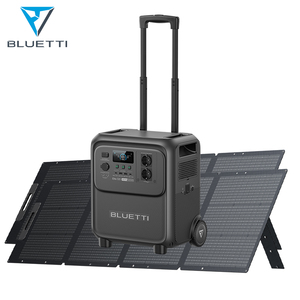
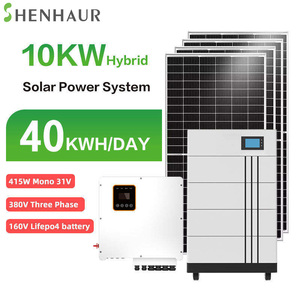
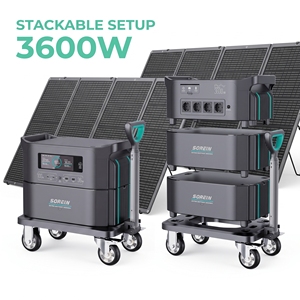
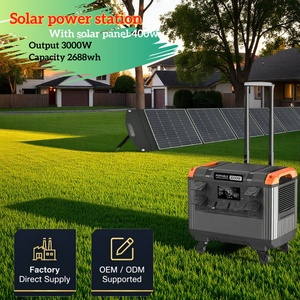
From the expansive dairy farms of the Waikato to crop irrigation schemes across the Canterbury Plains, agricultural automation requires 24/7 power for sensor nodes, electric fencing, and telemetry pumps. Polycrystalline panels paired with portable power generators (such as the BLUETTI 3200Wh or SHENHAUR 5kW Systems) deliver cost-effective, durable off-grid electricity that tolerates agricultural airborne dust and chemical spray without cell degradation.
Deployments in the Hauraki Gulf, Bay of Islands, and Marlborough Sounds face salt-mist corrosion and intense ocean reflections. Modules sourced from certified factories featuring marine-grade anodization and IP68 junction boxes provide uninterrupted generation for coastal communication relays, weather telemetry stations, and off-grid island homesteads without risking moisture delamination.
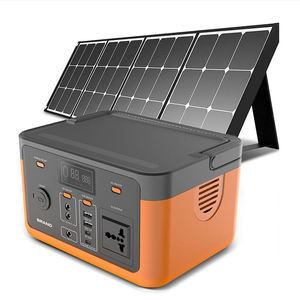
In mountain zones like Queenstown, Wanaka, and the Central Plateau, sub-zero winter temperatures and heavy snow loads put immense stress on solar panels. Heavy-frame polycrystalline arrays combined with high-discharge LiFePO4 Power Stations offer reliable thermal performance, low temperature degradation coefficients, and rapid battery recharge capabilities even under low sun angles.
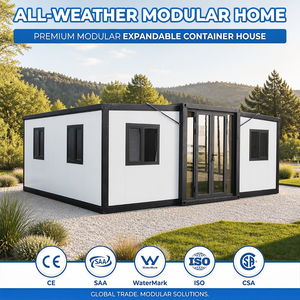
With the surge in prefabricated modular housing across regional New Zealand, integration of solar-ready roof kits (such as our 20ft Prefabricated Expandable Housing Units) allows developers to deliver fully self-sufficient off-grid residential structures. Pre-wired DC circuits connected to hybrid power banks cut site installation times down from weeks to a single afternoon.
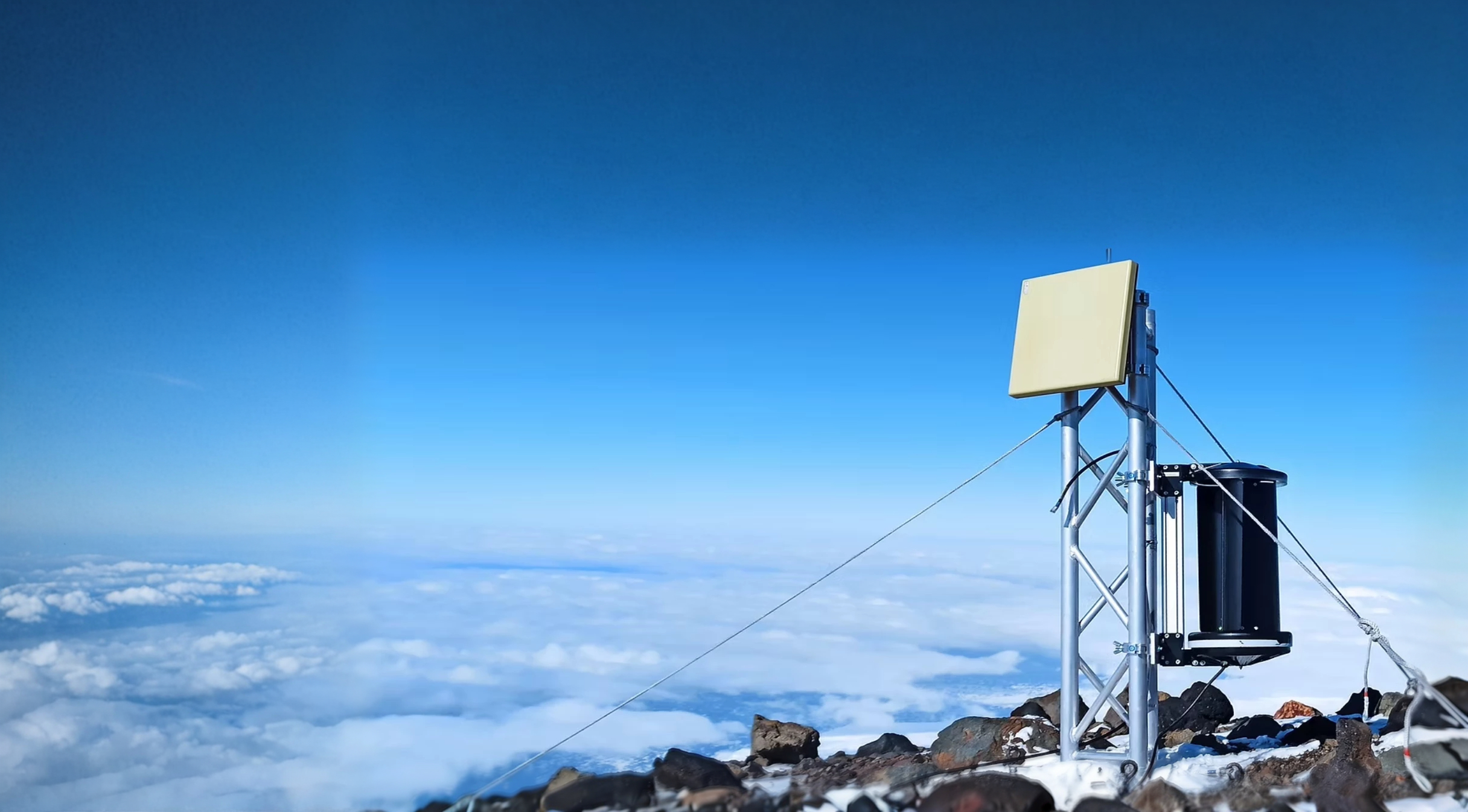
Drawing from over 15 years of off-grid power engineering—including high-wind turbine dynamics, remote solar charge controller design, and marine telecommunications—our manufacturing partners adhere to stringent testing regimes.
Every batch of polycrystalline panels shipped to New Zealand importers undergoes rigorous Dual Electroluminescence (EL) Inspection before packaging to guarantee zero micro-cracks, zero cell void space, and complete current matching across all cell strings.
Key macroeconomic, regulatory, and environmental factors shaping B2B solar procurement across the North and South Islands.
Transpower grid capacity limits in remote regions have driven agricultural businesses to establish independent microgrids. Importers are increasingly prioritizing hybrid systems that bundle polycrystalline solar panels with high-output LiFePO4 energy storage to secure operational continuity during severe storm outages.
Compliance with updated AS/NZS 5033 (PV array installation safety) and AS/NZS 5139 (battery system safety) mandates strict factory-level component certification. Sourcing from factories with pre-tested DC isolators, fire-rated backsheets, and compliant junction boxes is now non-negotiable for NZ electrical inspectors.
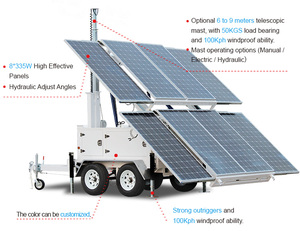
With the agricultural sector transitioning away from fossil-fueled generators for remote pump sites and shed power, mobile solar trailers (like the 4kW/5kW High Mast Solar Trailer) are becoming essential operational assets for farm management teams.
Clear engineering answers regarding solar panel procurement, freight logistics, warranty fulfillment, and standards compliance.
While monocrystalline panels offer higher peak efficiency per square meter, industrial polycrystalline modules provide exceptional value in commercial ground-mount arrays, agricultural installations, and high-diffuse-light regions. Polycrystalline panels feature lower upfront capital costs per watt, excellent thermal endurance under variable cloud cover, and robust structural resistance in high-wind farming environments.
Panels imported into New Zealand must comply with AS/NZS 5033 standards. Essential factory certifications include IEC 61215 (design qualification and type approval), IEC 61730 (photovoltaic module safety qualification), and IEC 61701 (salt mist corrosion testing for coastal sites). All factory shipments supplied through our network include these test certificates alongside batch EL test reports.
All featured polycrystalline modules carry a standard 12-year manufacturer product warranty and a 25-year linear power output warranty (guaranteeing ≥80% power output at year 25). In the rare event of a factory defect, replacement modules or component spares are dispatched from regional warehousing or priority factory production runs direct to Auckland or Lyttelton ports.
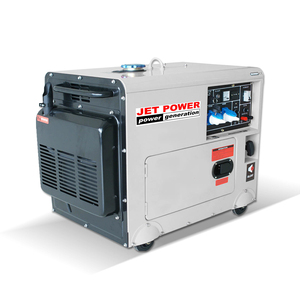
Yes. Many commercial installations across New Zealand deploy a tri-mode hybrid configuration: polycrystalline solar panels serve as the primary generator, a portable LiFePO4 battery power station manages daytime/nighttime energy storage, and a silent diesel generator (such as our 10kVA Silent Diesel Generator) acts as an automated backup during prolonged winter weather events via dry-contact auto-start triggers.
Standard manufacturing lead times for 20ft/40ft container orders are typically 15 to 20 business days. Ocean transit from key manufacturing ports to Auckland, Tauranga, or Lyttelton takes approximately 14 to 22 days. Direct FCL (Full Container Load) and LCL (Less than Container Load) shipping options are supported with full export documentation provided.
Connect with our technical sales team to request factory OEM specs, bulk wholesale pricing, AS/NZS certification documentation, and customized container shipping quotes tailored to your project location.