Designed & manufactured in Herefordshire, UK — shipping worldwide Mon–Thu 9–5 | Fri 9–4 | +44 (0)1981 241668

High-reliability slewing drives, dual-motor actuators, and intelligent GPS tracking controllers designed to maximize ROI under harsh ambient heat and sandstorm conditions.
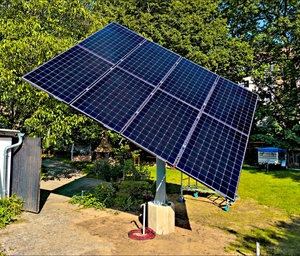
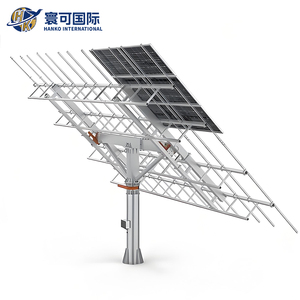

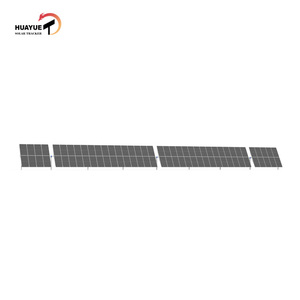
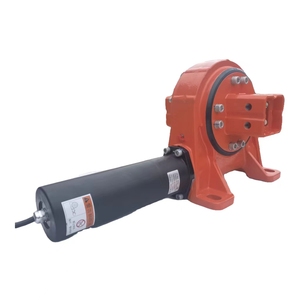
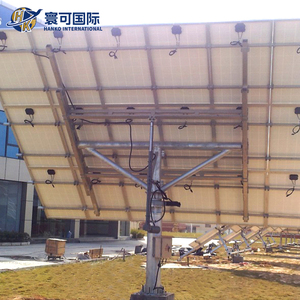
The Riyadh province lies within the global sunbelt, exhibiting exceptional solar resource metrics with Direct Normal Irradiation (DNI) exceeding 2,400 kWh/m²/year. However, harvesting this immense potential presents rigorous engineering challenges due to ambient temperatures frequently topping 50°C during summer peaks, intense micro-abrasive dust storms (Shamal winds), and extreme temperature swings between day and night.
As a premier solar tracker supplier and exporter servicing the Riyadh solar ecosystem, our systems are engineered specifically to overcome these environmental hurdles. Deploying static fixed-tilt mounting systems in Central Saudi Arabia forfeits substantial afternoon generation capacity when air-conditioning cooling loads reach peak demand on the grid. Dynamic horizontal single-axis solar trackers (HSAT) and dual-axis solar tracking arrays provide the precise angle orientation required to maximize peak-hour generation curves.
Standard commercial solar trackers designed for temperate European or North American climates frequently suffer structural fatigue and motor failure under Middle Eastern operational profiles. Sand accumulation inside slewing drive gearboxes causes rapid mechanical abrasion, while lower-grade motor insulations breakdown under continuous heat exposure.
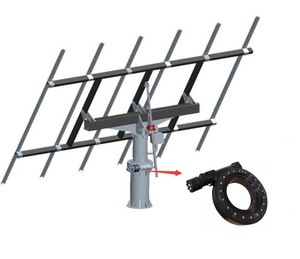
We utilize IP66-sealed worm gear mechanisms preventing particulate sand contamination, featuring specialized high-viscosity synthetic lubricants rated up to +120°C operational thresholds.
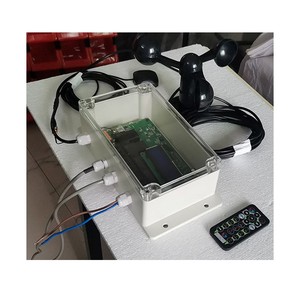
Our intelligent proprietary controllers integrate real-time weather sensors. When high wind or heavy dust accumulation occurs, trackers automatically tilt to a 60° defensive stow angle.
By pairing dual-glass bifacial modules with single-axis tracking and highly reflective light-colored desert soil (albedo 0.35–0.45), secondary energy capture increases by up to 15%.
Technical evaluation matrix comparing standard fixed mounting vs. engineered tracking architectures under Riyadh climate conditions.
| Architecture Type | Annual Yield Increase | Max Wind Tolerance | Dust Accumulation Risk | Optimal Riyadh Application |
|---|---|---|---|---|
| Fixed Tilt (25° South) | Baseline (0%) | Up to 45 m/s | High (Manual Cleaning) | Small Rooftops & Constrained Spaces |
| Single-Axis Tracker (1P / 2P) | +22% to +28% | 27 m/s to 35 m/s | Medium (Robotic Clean Compatible) | Large IPP Utility Plants & Industrial IPPs |
| Intelligent Dual-Axis Tracker | +32% to +38% | 27 m/s (Auto-Stow) | Low (Self-Cleaning Angle Stow) | High-Value Agricultural & Off-Grid Stations |
| GPS-Guided Dual-Motor Tracker | +35% to +40% | 30 m/s (Reinforced Structural) | Low (Automated Angle Adjust) | Extreme Heat Remote Microgrids & Telecom |
Our engineered solar tracking systems power high-demand municipal, industrial, and utility infrastructure across Saudi Arabia.
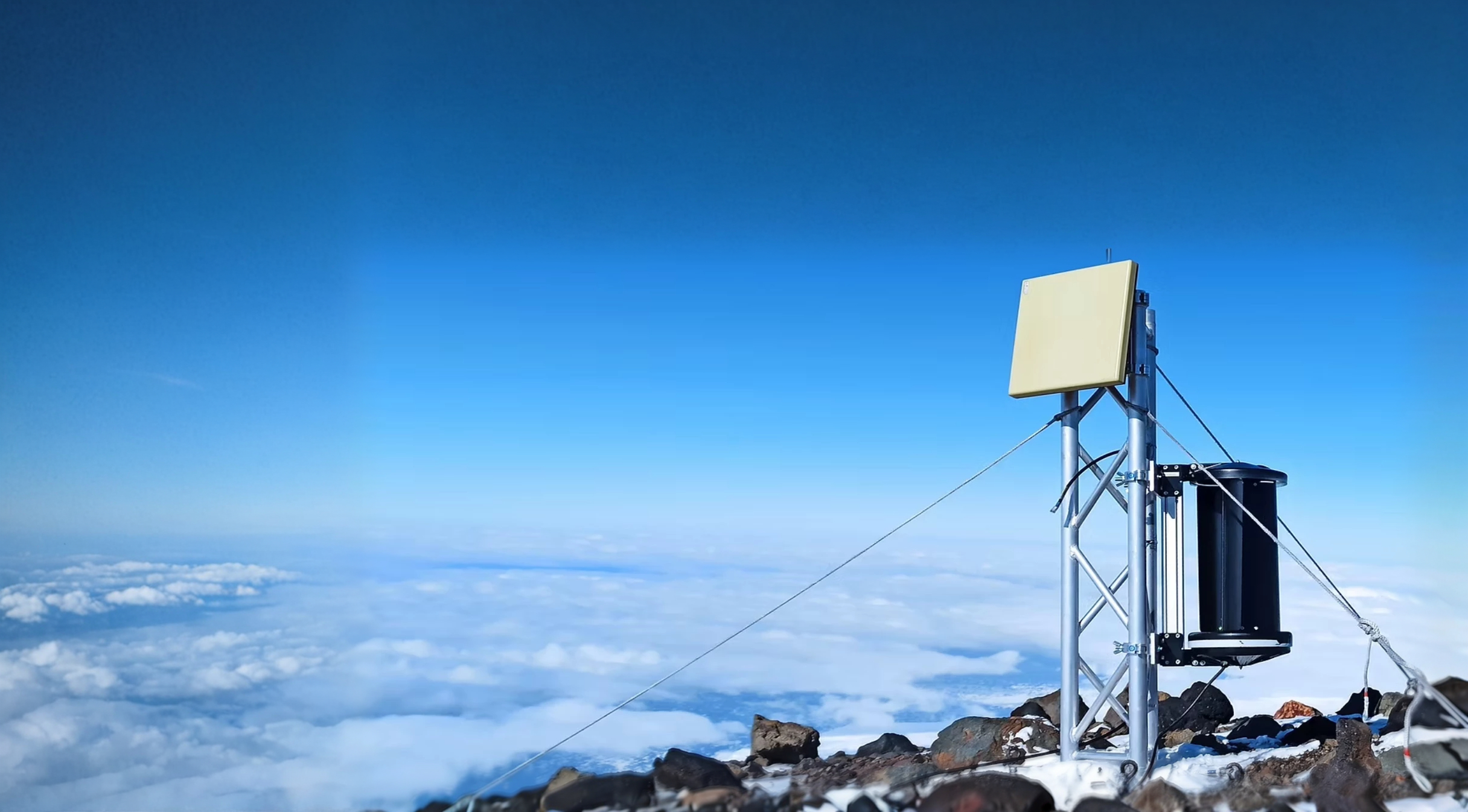
Industrial developments across Riyadh’s MODON complexes require clean, reliable daytime electricity to offset rising grid tariffs. By integrating our single-axis horizontal trackers with high-power 600W+ solar modules, industrial facilities achieve flat generation curves matched directly to peak factory operating hours from 8:00 AM to 5:00 PM.
The structural designs incorporate single-post foundations engineered for fast installation using hydraulic pile driving into dense rocky sub-strata, minimizing site civil works and lowering balance-of-system (BOS) capital expenditure.
In agricultural zones surrounding Al-Kharj and the wider Riyadh region, off-grid groundwater extraction requires continuous power without relying on diesel generators. Our dual-axis GPS solar trackers maximize pump operational hours by up to 4 additional hours per day compared to static solar arrays.
Equipped with remote SCADA telemetry, farming operations monitor tracker elevation, motor currents, panel inclination, and power yield remotely via cellular IoT networks without requiring on-site technicians.
Under the framework of Saudi Arabia's Vision 2030 and the National Renewable Energy Program (NREP), the Kingdom is aggressively accelerating solar capacity additions aiming for 50% renewable power generation by the end of the decade. Riyadh, serving as the commercial and political capital, acts as the primary hub for procurement, EPC contractor management, and engineering specification approval.
Several key trends are defining the procurement of solar tracking hardware in the Riyadh commercial market:
Combining decades of international manufacturing expertise with customized localized engineering for high-reliability desert deployments.
Engineered and wind-tunnel tested to withstand severe desert wind gusts up to 27 m/s (97 km/h) with automatic high-wind stow mechanisms to safeguard module glass integrity.
All structural steel posts, torque tubes, and brackets undergo heavy hot-dip galvanization exceeding 85 µm coating thickness, resisting micro-particle abrasive sand wear.
Every system includes cloud-connected intelligent controllers providing real-time visibility into system state of charge, motor voltage, module elevation, and fault diagnostics.
Common technical and logistical questions asked by EPC contractors, project developers, and procurement managers in Saudi Arabia.
In the Riyadh market, where Direct Normal Irradiation (DNI) is exceptionally high (~2,400 kWh/m²/year), single-axis horizontal trackers typically yield a 22% to 28% increase in annual generation over 25° fixed-tilt systems. Dual-axis tracking systems can achieve gains up to 35% to 40%, making them highly advantageous for energy-dense applications.
Our solar trackers feature integrated smart anemometers and wind sensing logic. When wind speeds breach safety thresholds (e.g., 17 m/s), the controller initiates an automated stow protocol, bringing the tracker to a flat or dynamic low-drag position. The drives are rated to withstand survival winds up to 27 m/s (97 km/h) without structural damage.
Yes. We utilize fully enclosed worm-gear slewing drives rated to IP66 ingress protection standards. This enclosed design completely seals the gear teeth and internal bearings from fine sand particles, eliminating gear grinding and reducing maintenance overhead.
All tracker structural profiles, controllers, motors, and slewing drives exported to Saudi Arabia undergo rigorous testing and certification in accordance with IEC 62817 standards and meet SASO electrical and mechanical compliance for import into the Kingdom.
Absoutely. Our tracker structures are specifically optimized for modern 210mm and 182mm wafer cell ultra-high-power bifacial modules. Torque tubes and purlins are engineered with rear-clearance spacing to eliminate back-side shading, capturing maximum reflected albedo light from desert sands.
We provide a standard 10-year warranty on structural galvanization and structural steel components, and a 5-year warranty on electronic controllers, actuators, and slewing drives, with design lifetimes engineered for 25+ years of continuous operation in desert ambient profiles.
Consult with our senior renewable engineering team today for custom sizing, site wind-load calculation, structural design, and competitive CIF/DDP Riyadh export quotations.
Send an Inquiry