
1. Executive Whitepaper: Industrial Level Sensing Engineering in Tropical Climates
Liquid level measurement in tropical, high-humidity, and saline-rich environments—such as the Philippine archipelago and greater Metro Manila—presents extreme engineering challenges. Standard off-the-shelf hydrostatic transmitters and ultrasonic level meters frequently suffer from premature diaphragm corrosion, signal drift due to drastic ambient thermal swings, dielectric media changes, and moisture ingress through atmospheric reference capillary tubes.
As a leading OEM/ODM Level Sensor Factory & Direct Exporter in Manila, our manufacturing architecture resolves these physical failure modes at the molecular and structural levels. By synthesizing high-stability piezoresistive silicon cores with laser-welded Hastelloy C-276 or Titanium diaphragms, our level sensors ensure continuous, uncompromised calibration stability across water management, petrochemical storage, mining slurry containment, and municipal flood mitigation systems.
Information Gain Engineering Note: Unlike conventional level transmitters designed for temperate inland regions, sensors deployed in Southeast Asia require integrated lightning surge protection (up to 10kA/10kV), anti-fouling ceramic sensor faces, and hydrophobic PTFE vented cables to prevent capillary condensation during severe monsoon downpours.
| Sensing Principle | Ideal Media & Environment | Accuracy Class | Key OEM Customization Options |
|---|---|---|---|
| Hydrostatic Submersible | Reservoirs, Deep Wells, Rivers, Wastewater, Ballast Tanks | ±0.1% to ±0.25% FS | Titanium body, FEP anti-corrosive cable, RS485 Modbus RTU |
| 80GHz Radar Level Transmitter | Acid Tanks, Molten Slurry, Chemical Vats, Corrosive Fuel Storage | ±1.0 mm | PEEK lens antenna, Explosion-proof (Ex d IIC T6 Gb), Hart 7.0 |
| Ultrasonic Non-Contact | Open Channel Flow, Stormwater Culverts, Sump Pits | ±0.2% FS | Narrow beam angle (<6°), temperature compensation array |
| Magnetostrictive Liquid Level | High-Precision Fuel Depots, Custody Transfer Tanks | ±0.5 mm | Dual-float design (Interface + Level), 316L SS polished shaft |
2. Custom OEM/ODM Engineering & Direct Factory Production Architecture
Our OEM/ODM manufacturing plant in Manila provides complete turn-key product design, hardware prototyping, micro-controller firmware programming, and automated multi-point pressure calibration. We empower international distributors, system integrators, and government contractors to launch branded level measurement devices tailored precisely to regional field requirements.
Custom Signal Protocols
Choose from classic 4-20mA two-wire current loops, 0.5-4.5V ratiometric, HART 7.0, RS485 Modbus-RTU, or integrated wireless IoT protocols (NB-IoT, LoRaWAN, 4G CAT-M1).
Hermetic & Anti-Corrosive Housings
Material choices range from 316L Stainless Steel for fresh water to pure Titanium and PTFE coatings engineered specifically for marine hypersaline water and acidic industrial runoff.
Integrated Off-Grid Power Solutions
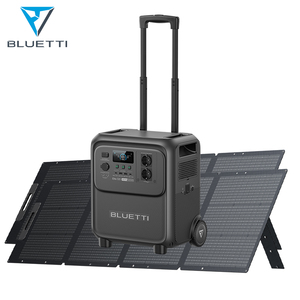
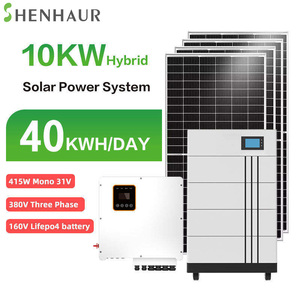
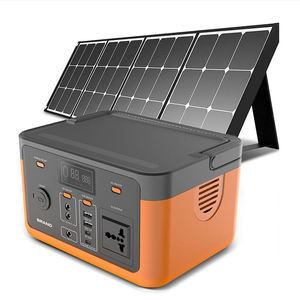
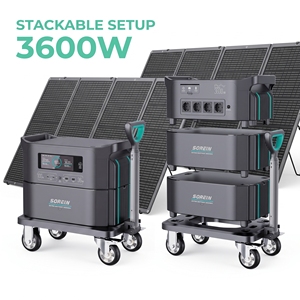
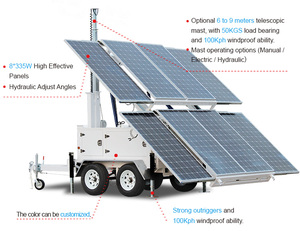
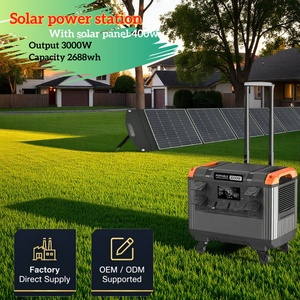
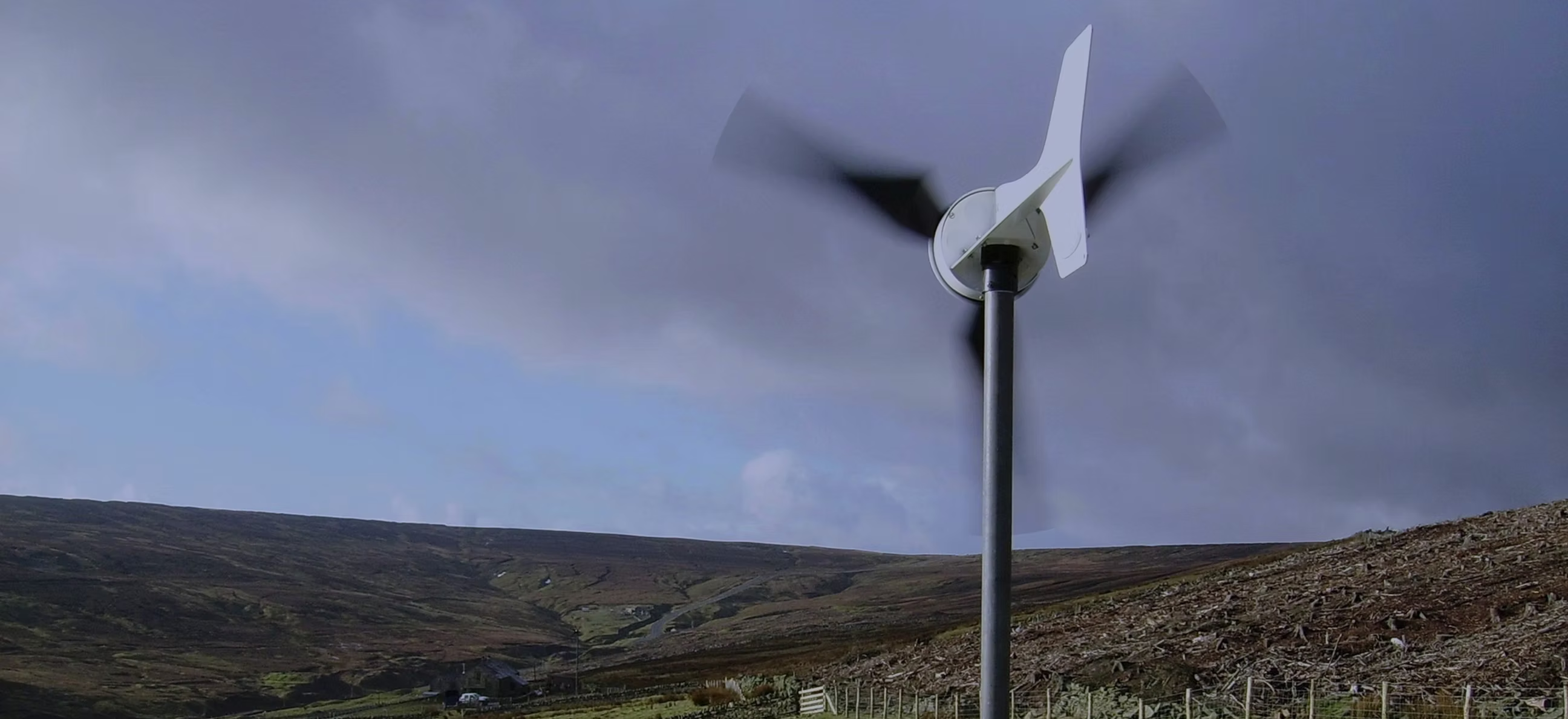
Unify level transmitters with our specialized solar micro-generators, LiFePO4 power stations, and low-power wake-up telemetry modules for 100% autonomous operation in zero-grid locations.
3. Localized High-Value Application Scenarios Across the Philippines & SE Asia
Scenario A: Metro Manila Urban Flood Mitigation & MMDA Pumping Station Automation
In Metro Manila (covering the Pasig River basin, Marikina River, and Laguna de Bay spillways), automated level monitoring is vital for flood disaster response. Our OEM submersible pressure sensors and non-contact 80GHz radar transmitters are deployed across automated pumping stations, sluice gates, and urban drainage culverts. Connected directly to SCADA systems and solar backup units, these sensors transmit real-time millimeter-accurate water level data even when submerged under flood waters during extreme typhoons.
Scenario B: Industrial Fuel Storage & Bunkering in Batangas and Subic Freeport
Petrochemical storage facilities require explosion-proof (ATEX/IECEx certified) magnetostrictive and radar level gauges capable of continuous custody transfer accuracy. Our Manila export factory manufactures custom level transmitters equipped with dual-float mechanisms to measure liquid fuel level and water-bottom interface simultaneously, preventing fuel contamination during marine bunkering operations.
Scenario C: Mining Slurry & Tailings Pond Monitoring in CAR and Caraga Regions
Mining operations in northern Luzon and Mindanao require robust level sensing in highly abrasive, chemically corrosive tailings dams and slurry tanks. Our heavy-duty ceramic diaphragm hydrostatic sensors feature flush-mounted faces that prevent particulate clogging, delivering continuous telemetry to prevent environmental spillages in strict compliance with the Department of Environment and Natural Resources (DENR) guidelines.
Scenario D: Municipal Bulk Water Supply & Deep Well Aquifer Monitoring
Water utility concessionaires across Luzon, Visayas, and Mindanao rely on our ultra-small diameter (Ø19mm) submersible level transmitters to monitor deep groundwater aquifers and raw water intake reservoirs. Engineered with wide atmospheric reference tubing and integrated temperature sensors, these probes deliver precise draw-down data over decades of continuous submersion.

4. Strategic Trends in the Philippine Industrial & Environmental Sensor Market
The ASEAN industrial automation sector is experiencing rapid digital modernization. Driven by national infrastructure initiatives such as the Philippine Water Supply and Sanitation Master Plan (PWSSMP), municipal authorities and private enterprises are replacing manual liquid gauge reading with automated, cloud-connected sensor networks. Key technology trends include:
- Convergence of Sensing and Edge-AI Power Systems: Modern level transmitters no longer operate as isolated analog loops. They are increasingly packaged with ultra-low-power microcontrollers and lithium-based energy buffer stations that run on-device trend analysis, triggering emergency alarms locally if river level rise velocity exceeds critical thresholds.
- Shift to Non-Contact High-Frequency Radar: While hydrostatic sensors remain the standard for deep-well submersion, 80GHz FMCW radar sensors are rapidly capturing the surface water and aggressive chemical container market due to their immunity to ambient temperature shifts, steam, fog, and physical media contact.
- Strict Environmental Compliance (DENR Administrative Order DAO 2021-19): Industrial effluent discharge regulations require automated monitoring of holding tanks, grease traps, and industrial wastewater outlets with verifiable digital logging.
5. Direct Factory Advantages & Quality Control Assurance
Partnering directly with our OEM/ODM level sensor factory in Manila eliminates middleman markups, reduces international transit lead times, and grants access to direct engineering consultation.
100% Laser-Welded Hermetic Seals
Every sensor diaphragm is helium-leak tested and laser-welded under inert gas to prevent oil-fill leakage and humidity penetration.
Automated Pressure & Temp Calibration
Sensors undergo full thermal compensation cycling from -20°C to +85°C across their entire pressure scale to eliminate thermal zero drift.
Rapid OEM Prototyping & Branding
Custom laser-engraved stainless steel nameplates, custom cable lengths, and private-label packaging delivered within accelerated turnaround windows.
Comprehensive Field Technical Support
In-house instrumentation engineers provide wiring schematics, Modbus register maps, and remote troubleshooting for seamless SCADA integration.
6. Frequently Asked Procurement & Engineering Questions (FAQ)
Standard 316L stainless steel sensors deployed in tropical marine environments usually show pitting corrosion within 12 to 18 months. However, our specialized OEM Titanium body sensors with polyurethane or FEP shielded cables achieve a design service life exceeding 10 years in continuous seawater submersion, making them ideal for Manila Bay marine bunkering and coastal water monitoring.
High relative humidity can cause moisture vapor to migrate through the vented atmospheric reference tube into the sensor housing, ruining electronics. We integrate a dual-stage hydrophobic moisture barrier and an inline rechargeable desiccant filter inside the cable junction terminal, guaranteeing dry atmospheric reference pressure at all times.
For solar and battery-powered sites, we strongly recommend our ultra-low-power RS485 Modbus-RTU or SDI-12 digital output models. Unlike traditional 4-20mA current loops that draw a constant 4 to 20mA power current, our digital sensors feature a fast warm-up time (<50ms) and draw less than 15uA in sleep mode, extending power station battery autonomy dramatically.
Yes. Every level transmitter produced at our Manila manufacturing plant undergoes multi-point pressure calibration against high-precision deadweight testers and is shipped with an individual factory calibration certificate traceable to NIST and ISO/IEC 17025 standards.
We support growing regional distributors and engineering integrators with flexible MOQ requirements. Custom laser-etched stainless steel nameplates, custom cable lengths, and custom pressure ranges are available for order batches starting at just 10 units.
Our 80GHz FMCW radar level meters utilize high dynamic signal processing algorithms that differentiate between true liquid reflection echoes and surface foam or false agitation reflections. With a narrow 3 to 6-degree beam angle, they easily avoid internal tank obstacles like agitator blades and ladder rungs.