Designed & manufactured in Herefordshire, UK — shipping worldwide Mon–Thu 9–5 | Fri 9–4 | +44 (0)1981 241668

Explore our certified range of high-efficiency methanol power generators, range extenders, continuous off-grid units, and magnetically coupled precision metering pumps supplied directly to Sydney commercial, marine, and municipal operators.
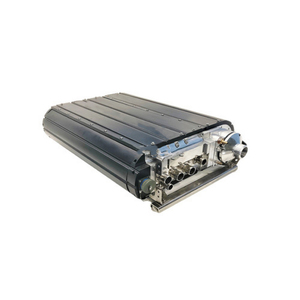
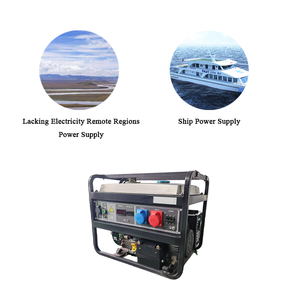
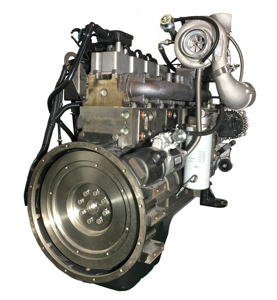
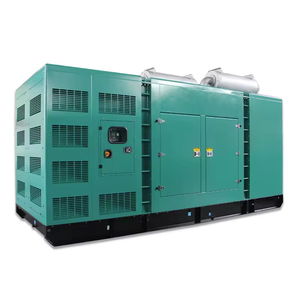
As Greater Sydney accelerates towards its ambitious net-zero operational milestones under the New South Wales (NSW) Electricity Strategy and regional urban planning framework, industrial enterprises, port authorities, and utility operators face unprecedented pressure to decarbonize heavy machinery, marine vessels, emergency infrastructure, and off-grid remote assets.
While lithium-ion battery storage and direct hydrogen gas fuel cells offer promising pathways for light commercial duties, they encounter significant physical and economic bottlenecks when applied to high-load industrial continuous generation, maritime bunkering, and remote telecommunications infrastructure across NSW. Liquid energy carriers—specifically Green Methanol (CH3OH / Methyl Alcohol)—have emerged as the definitive pragmatic solution. Methanol combines the chemical energy density of liquid fuels with zero particulate matter (PM2.5/PM10), near-zero sulfur oxide (SOx) emissions, and up to 95% net CO2 reduction when produced via renewable e-methanol synthesis pathways.
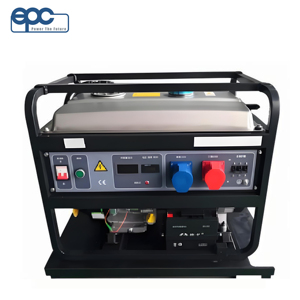
Our enterprise-grade factory solutions supply Sydney commercial procurement managers, marine engineers, construction firms, and remote facility directors with engineered methanol generation systems spanning from 5kW portable range extenders to 400kW continuous multi-megawatt modular baseline power plants. Engineered with precision micro-metering gear pumps, closed-loop thermal control, and AS/NZS-compliant hazardous area safety systems, our liquid fuel cell and internal combustion generator units deliver seamless plug-and-play energy security across Australia’s economic heartland.
Port Botany and Sydney Harbour maritime operators are under strict environmental directives to curtail diesel auxiliary emissions. Our marine-certified methanol range extenders and auxiliary power generators (15-300kW) deliver silent, low-vibration electricity for commercial vessels, tugboats, and shore-side container yards, eliminating visible exhaust smoke and toxic aromatic compounds in urban harbor zones.
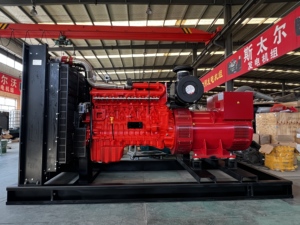
As the construction of the Western Sydney Aerotropolis and connected freight corridors expands, temporary grid connections are severely bottlenecked. Our open-frame 400kW methanol fuel generator sets provide instant, heavy-duty continuous power for heavy machinery charging, night-work floodlighting, and temporary site offices without relying on dirty diesel fuel deliveries.
Extending from the Blue Mountains across regional New South Wales, telecommunications towers require uninterrupted power through bushfire seasons and extreme weather. Our 5-30kW reforming methanol fuel cell systems integrate with solar-battery hybrids, providing automatic, multi-day backup autonomy with remote start and live fuel telemetry monitoring.
Evaluating the total cost of ownership (TCO), fuel logistics, and environmental impact for commercial installations in Sydney:
| Performance Benchmark | Methanol Power Systems (Reforming/IC) | Standard Diesel Generators | Compressed Hydrogen Fuel Cells |
|---|---|---|---|
| Fuel Handling & Storage | Liquid state at ambient temperature; uses standard bunded liquid fuel tanks (AS 1940 compliance). | High density liquid; subject to microbial growth and strict urban diesel particulate laws. | Requires 350-700 bar high-pressure gaseous storage tanks; complex hazardous setback zones. |
| CO2 & Particulate Emissions | Zero PM2.5/PM10; Near-zero NOx; up to 95% net CO2 reduction with Green e-Methanol. | High PM10, high NOx, high toxic particulates; severe urban health hazards. | Zero tailpipe emissions; high transport footprint for gas delivery tankers. |
| Energy Density (Volumetric) | High (approx. 4.4 kWh/L net after reforming); compact footprint for long-duration backup. | Very High (approx. 10 kWh/L); offset by environmental penalties and carbon offsets. | Low gaseous volumetric density; requires huge tank arrays for multi-day autonomy. |
| Cold-Start Performance | Instant rapid ignition via auxiliary heat exchanger; operational from -20°C to +50°C. | Reliable, but susceptible to fuel gelling in high-altitude NSW winter sites. | Sensitive to membrane freezing and humidity control issues. |
| Sydney Logistics Cost (AUD) | Delivered via standard liquid bulk transport tankers to Sydney industrial precincts. | Increasing fuel tax levies and carbon compliance costs under local council guidelines. | Extremely high gas transport and cryogenic infrastructure overheads. |
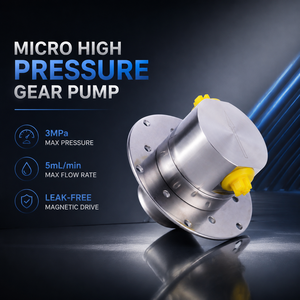
At the core of efficient methanol reforming fuel cell systems lies chemical stoichiometry management. Our specialized Micro Metering Gear Pump (3.0MPa High Pressure) utilizes advanced magnetic coupling drive technology to guarantee absolute zero-leakage fluid transfer of methyl alcohol feeds.
Traditional mechanical shaft seals degrade rapidly under constant methanol exposure, leading to micro-leaks, pressure drop-offs, and hazardous vapor release. By removing physical drive shafts and employing a 24V brushless DC magnetic motor coupling, our pumps provide smooth, pulse-free 3.0 MPa injection accuracy. This precise fluidic control ensures complete catalytic conversion inside the methanol reformer, maximizing system fuel efficiency and extending fuel cell stack lifespan to over 20,000 operational hours.
Our manufacturing facilities adhere to rigid international ISO 9001 quality management standards and ISO 14001 environmental protocols. Every generator set, range extender, and micro pump shipped to Sydney suppliers undergoes factory acceptance testing (FAT) under continuous 100% full-load duty cycles.
"Engineered specifically for Australian harsh climate resilience, handling ambient thermal operating ranges from Western NSW heatwaves (+48°C) down to sub-zero alpine conditions with full automated remote start capabilities."
The commercial procurement landscape in Greater Sydney has reached a pivotal tipping point. Local government tenders, industrial park developments in Wetherill Park, Silverwater, and Botany, alongside state-sponsored infrastructure contracts now explicitly evaluate scope 1 and scope 2 emissions footprints during vendor selection.
With the Port Authority of NSW investigating green fuel bunkering options for Newcastle and Port Botany, bulk liquid methanol distribution networks are expanding exponentially across the eastern seaboard, dramatically reducing regional fuel supply costs.
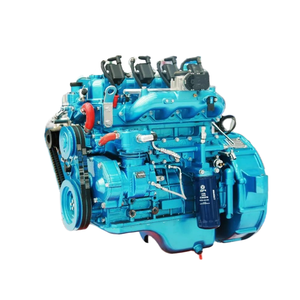
Mining companies, agricultural hubs, and regional rail contractors across NSW are replacing high-maintenance diesel power units with 200kW–400kW 6-cylinder industrial methanol engines to meet corporate ESG targets while cutting fuel theft risks.
Heavy logistics fleets operating between Sydney, Canberra, and Newcastle are deploying onboard 15-30kW methanol fuel cell range extenders, overcoming battery weight limitations to achieve continuous ranges exceeding 600 kilometers.
Whether you require a custom 400kW baseline generator for Western Sydney developments, marine range extenders for Sydney Harbour, or precision 3.0MPa magnetically coupled pumps for fuel cell reforming systems, our engineering team is ready to assist.