Designed & manufactured in Herefordshire, UK — shipping worldwide Mon–Thu 9–5 | Fri 9–4 | +44 (0)1981 241668

Factory-direct exported equipment, engineered with British legacy standards for robust continuous performance, remote start, and zero-downtime operation across Kuala Lumpur and Selangor.
As Southeast Asia’s rapidly developing urban epicenter, Kuala Lumpur is undergoing a profound structural transition in energy procurement, industrial back-up supply, and grid-decarbonization. Driven by the Malaysian Government’s National Energy Transition Roadmap (NETR) and strict ESG reporting mandates enforced by Bursa Malaysia, enterprise facility owners, telecommunication operators, and urban infrastructure project managers are actively replacing high-emission diesel engine generators with advanced liquid methanol power systems.
Methanol ($\text{CH}_3\text{OH}$) presents a uniquely advantageous thermodynamic and economic profile for tropical, high-density industrial hubs like Kuala Lumpur. Unlike compressed hydrogen gas—which requires costly cryogenic storage tanks or 700-bar high-pressure containment vessels—methyl alcohol remains a stable, energy-dense liquid at ambient tropical temperatures ($28^\circ\text{C}$–$38^\circ\text{C}$). It seamlessly integrates into existing liquid fuel infrastructure, marine transport routes originating from Port Klang, and industrial bulk storage facilities across Selangor.
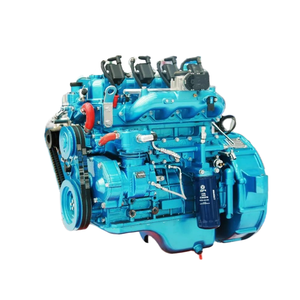
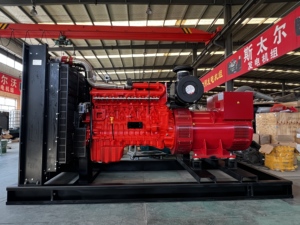
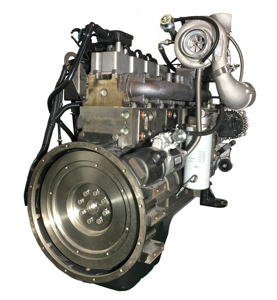
In both direct internal combustion methanol engine generator sets (such as our 200kW to 400kW heavy-duty industrial series) and reforming proton-exchange membrane (PEM) fuel cells, methanol delivers unprecedented environmental gains over conventional MGO/diesel power units:
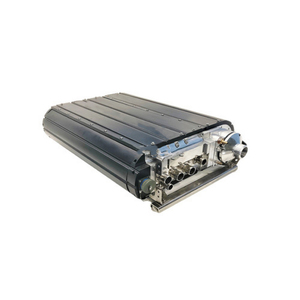
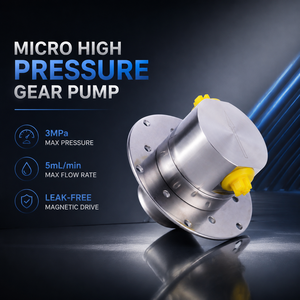
Our 3.0MPa micro-metering 24V magnetically coupled gear pumps deliver sub-milliliter metering accuracy to methanol reforming stacks, preventing thermal shock and maximizing hydrogen generation kinetics.
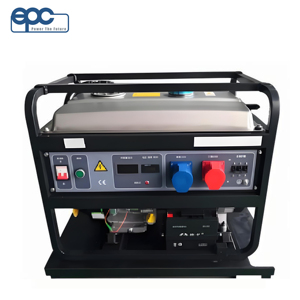
Equipped with smart digital engine control units (ECU) and SCADA-integrated remote start systems, our 15kW to 400kW gensets achieve full rated power output within seconds of main grid dropouts in Klang Valley.
Engineered to handle Malaysia's intense humidity (averaging 80%-95% RH) and flash rain squalls with salt-air resistant powder coatings, triple-pass radiator cooling, and sealed magnetic drives.
Rooted in rigorous European design standards and refined through decades of off-grid application across harsh environment sectors—from North Sea offshore platforms to equatorial telemetry hubs—our methanol power units represent the gold standard in alternative clean power. We do not merely assemble components; we design the thermal management loops, catalytic reformer fluidics, and high-frequency power electronics in-house.
At the heart of any high-efficiency methanol fuel cell generator is the liquid supply mechanism. Our Micro Metering Gear Pump (3.0MPa 24V) utilizes dynamic magnetic coupling to ensure absolute leak-free isolation of methyl alcohol solutions. By eliminating mechanical shaft seals, we completely remove the risk of chemical degradation or liquid leakage, maintaining exact continuous flow rates even under varying counter-pressures in reformer chambers.
In cooperation with advanced industrial control platforms (including Victron Cerbo GX monitoring interfaces and cloud-based IoT telemetry), our 300kW and 400kW methanol power units offer localized enterprise buyers in Kuala Lumpur real-time control. Monitoring engineers can track:
Every generator unit leaving our factory undergoes a rigorous 100% load bank testing cycle under simulated high ambient temperatures and elevated humidity. Factory Acceptance Tests (FAT) verify voltage harmonic distortion (THD < 3%), step-load acceptance up to 100%, and emergency stop response speeds before export shipping to Port Klang.
How enterprise buyers across Klang Valley leverage our methanol generators and fuel cell systems to solve regional power infrastructure challenges.
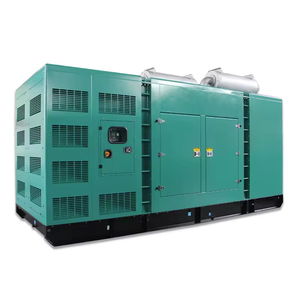
Hyperscale and edge data hubs near Kuala Lumpur require 100% continuous backup uptime without violating Municipal Council air quality regulations. Replacing acoustic-shielded diesel gensets with our 300kW / 400kW Methanol Fuel Generator Sets reduces local soot emissions to zero and eliminates odor complaints, permitting indoor or rooftop urban installation.
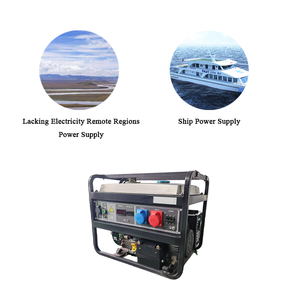
Remote telecommunication masts situated on mountainous terrain (e.g., Genting Highlands, Hulu Langat) face frequent grid fluctuations and difficult diesel transport routes. Utilizing our 15-18kW Methanol Range Extender & Generators provides months of uninterrupted secondary power without fuel gumming, fuel theft, or diesel waxing under high humidity.
Commercial skyscrapers in central Kuala Lumpur must conform to modern Green Building Index (GBI) and LEED certification levels. Our low-vibration 200kW 6-cylinder methyl alcohol generator sets fit neatly into subterranean mechanical rooms, venting ultra-clean exhaust gas through existing vertical shafts without multi-stage catalytic scrubbers.
Dockside cargo handling terminals, refrigerated container yards, and coastal service vessels near Port Klang leverage our 5-30kW Methanol Fuel Cell Units for auxiliary power generation. Clean methanol eliminates marine oil sheens in waterways and satisfies MARPOL Annex VI compliance seamlessly.
Malaysia is positioning itself as a clean energy leader in the ASEAN block. Understanding the local regulatory landscape is paramount for engineering directors and procurement officers when specifying long-term capital power assets in Kuala Lumpur:
The Malaysian Government's NETR explicitly outlines hydrogen and liquid hydrogen carriers (such as biomethanol and synthetic e-methanol) as vital pillars for decarbonizing heavy industry and grid power generation. Investing in methanol generator infrastructure future-proofs commercial facilities against impending carbon pricing mechanisms and mandatory industrial emission caps.
Standard imported machinery often suffers from severe thermal derating when deployed in Kuala Lumpur’s ambient humidities. Our export power systems integrate enlarged aluminum radiator cores, tropicalized insulation windings (Class H insulation rated for high ambient heat), and sealed electronic enclosures (IP65/IP67) to maintain 100% continuous nameplate kW output without overheating.
With major petrochemical and industrial chemical production facilities located across Peninsular Malaysia (e.g., Kertih, Pengerang, and Bintulu), methanol feedstock availability in Kuala Lumpur is highly competitive and reliable. Liquid delivery via standard chemical road tankers eliminates the logistical bottlenecks associated with high-pressure gas cylinder swaps.
Technical, operational, and procurement queries answered by our senior applications engineering team.
Connect with our technical specialists to size your methanol power system, request full factory performance datasheets, or schedule a custom load-profile modeling session for your Kuala Lumpur project.
Contact Us