Designed & manufactured in Herefordshire, UK — shipping worldwide Mon–Thu 9–5 | Fri 9–4 | +44 (0)1981 241668

Tier-1 LiFePO4 batteries, hybrid off-grid generators, and high-capacity portable power stations engineered for Panamanian maritime, commercial, and utility infrastructure.
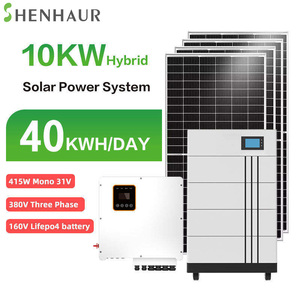
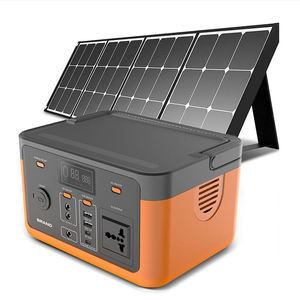
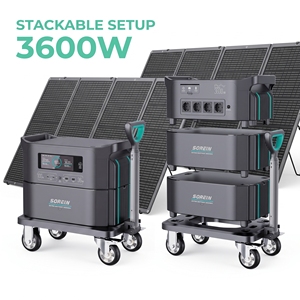
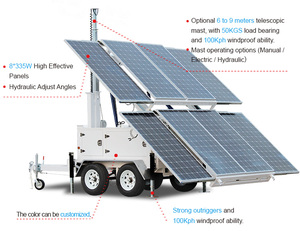
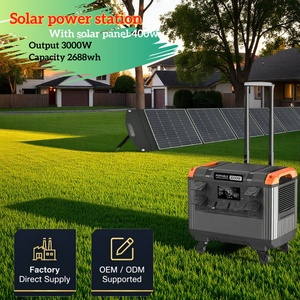
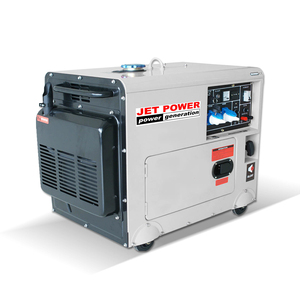
As the primary logistics hub of the Americas and home to the critical maritime gateway of the Panama Canal, Panama demands highly resilient, ultra-reliable energy storage infrastructure. The geographical region presents an extraordinary operating environment: high ambient temperatures averaging 32°C to 38°C year-round, relative humidity exceeding 90%, and severe salt-mist exposure along the Caribbean and Pacific coasts. Traditional VRLA (Valve-Regulated Lead-Acid) and deep-cycle AGM batteries suffer accelerated capacity degradation under these tropical conditions, often experiencing thermal runaway or premature capacity loss within 18 to 24 months.
As premier lithium battery suppliers and exporters to Panama, our engineering team supplies commercial-grade Lithium Iron Phosphate (LiFePO4) energy storage solutions specifically rated for continuous tropical duty. Leveraging advanced British engineering design protocols developed since 2009 for extreme offshore installations, our lithium battery systems deliver up to 6,000 operational cycles at 80% Depth of Discharge (DoD), ensuring over 15 years of maintenance-free service life even under daily deep-cycling demands across Panama City, the Colón Free Zone (Zona Libre de Colón), and off-grid provinces like Chiriquí and Bocas del Toro.
Utilizing high-density, automotive-grade Tier-1 LiFePO4 cells offering superior chemical and thermal stability compared to conventional NMC chemistry.
Integrated Victron Cerbo GX and RS485/CAN-bus Smart BMS units enable continuous remote tracking of individual cell voltages, temperature, and State of Charge (SoC).
Engineered for Panamax vessels, offshore ports, and coastal telecommunications towers facing high atmospheric humidity and saline spray.
Selecting the optimal battery chemistry is vital for infrastructure project developers, telecommunications operators, and marine engineering firms operating in Central America. The table below outlines why engineering specifiers in Panama are rapidly replacing AGM/Gel legacy arrays with our high-performance LiFePO4 rack systems and portable energy storage hubs.
| Performance Metrics | Our Industrial LiFePO4 Storage | Standard AGM / Lead-Acid | NMC (Nickel Manganese Cobalt) |
|---|---|---|---|
| Cycle Life (80% DoD) | 6,000+ Cycles | 500 - 800 Cycles | 1,500 - 2,500 Cycles |
| Operating Temp Range | -20°C to +65°C | -10°C to +40°C (Deteriorates above 25°C) | 0°C to +45°C |
| Round-Trip Energy Efficiency | 96% - 98% | 75% - 80% | 90% - 92% |
| Thermal Runaway Safety | Extremely Safe (>270°C Stability) | Moderate (Gassing risks) | High Risk (Runaway at ~150°C) |
| Weight / Footprint Efficiency | 70% Lighter / 60% Smaller | Heavy / Large Footprint | Lightweight / Compact |
| Levelized Cost of Storage (LCOS) | $0.05 / kWh per cycle | $0.22 / kWh per cycle | $0.14 / kWh per cycle |
Our lithium energy storage solutions are specifically configured to address the operational realities of Panama’s diverse economic sectors—from maritime shipping corridors to high-altitude agricultural reserves.
Remote AIS (Automatic Identification System) transponders, weather monitoring telemetry, and navigation buoys along the Culebra Cut and Gatun Lake require 24/7 continuous DC power. Our IP67-rated 24V and 48V LiFePO4 modules integrate seamlessly with dual solar arrays, maintaining power autonomy through extended tropical cloud cover.
As the second-largest free trade zone in the world, warehouses in Colón operate continuous cold-storage and high-value logistics automation systems. Our 10kW to 100kW rack-mounted lithium UPS power units guarantee zero-milliseconds transfer time during frequent municipal grid voltage sags and blackouts.
In the mountainous coffee and produce regions of Boquete and Volcán, remote processing plants rely on off-grid 3-phase hybrid lithium generators. Paired with high-capacity solar arrays, these microgrids lower diesel fuel transportation expenses by up to 85% annually.
Off-grid cellular transceivers operating on remote archipelagoes face zero grid connection and humid marine atmosphere. Our solar-charged lithium battery banks deliver steady 48V DC power with zero maintenance requirements for over a decade, dramatically reducing costly boat technician dispatches.
Panama’s National Energy Plan (Plan Energético Nacional 2015-2050) and the Energy Transition Agenda established by the Secretariat of Energy emphasize rapid decarbonization, grid decentralization, and maximum integration of variable renewable energy (VRE). Key drivers pushing Panamanian enterprises toward industrial lithium battery adoption include:
The National Transmission Company (ETESA) and ASEP (Autoridad Nacional de los Servicios Públicos) have enacted expanded frameworks for distributed generation and commercial solar self-consumption. As peak electricity tariffs during Panamanian business hours rise, commercial enterprises utilize our LiFePO4 storage solutions for peak shaving and load shifting, storing excess daytime solar generation and discharging during high-cost tariff blocks.
Panama serves as a crucial node in the Central American Electrical Interconnection System (SIEPAC). Cross-border energy trading requires grid nodes to maintain strict power factor control and frequency regulation. Fast-responding lithium battery systems (<10ms response time) provide essential ancillary services, preventing localized grid fluctuations from triggering regional interties disconnections.
Multinational logistics firms operating in Tocumen Logistics Park and Pacifico Business Park are under strict corporate mandates to reduce Scope 1 and Scope 2 carbon emissions. Replacing diesel standby generators with solar-plus-lithium battery storage platforms delivers immediate, verifiable ESG compliance metrics while lowering Total Cost of Ownership (TCO).
Built upon a foundational heritage of British design and manufacturing since 2009, our power systems have been deployed across all seven continents—from extreme offshore oil & gas platforms in the North Sea to severe tropical environments in Central America. We do not simply trade off-the-shelf equipment; we engineer, model, and certify complete off-grid power infrastructure.
We baseline site feasibility using 40+ years of ECMWF ERA5 satellite meteorological data blended with the Global Solar & Wind Atlas. Every Panamanian system is engineered with verified safety factors for the worst solar irradiation month of the year (November rains), ensuring zero unexpected site downtime.
Our technical team holds Global Wind Organisation (GWO) and ISO-9001 quality certifications. The exact rigors applied to offshore wind farm telecommunications (e.g., servicing sites 72 km out at sea) are applied to our battery storage products exported to Panama.
We hold full UN38.3, MSDS, and CE compliance certifications for global maritime and air freight shipments. We provide seamless CIF Panama City / Manzanillo International Terminal (MIT) shipping logistics with complete hazardous goods customs documentation.
Panama experiences average daytime temperatures above 30°C with extremely high relative humidity. Lead-Acid (AGM/Gel) batteries lose 50% of their operational cycle life for every 10°C rise above 25°C. NMC lithium batteries carry higher risk of thermal runaway in hot environments. LiFePO4 (Lithium Iron Phosphate) remains chemical stable up to +65°C, delivers 6,000+ cycles, and requires zero environmental air-conditioning in standard shaded installations, greatly reducing site parasitic loads.
Standard export orders are dispatched via ocean freight directly to major Panamanian ports, including Puerto Balboa (Pacific side) and Manzanillo International Terminal / Colón Container Terminal (Caribbean side). Transit times typically range between 18 to 28 days depending on the origin port. Expedited air freight for urgent telemetry modules is available via Tocumen International Airport (PTY) with full UN38.3 Dangerous Goods compliance.
Yes. Our smart BMS controllers natively support CAN-bus and RS485 communication protocols compatible with leading global inverter brands such as Victron Energy, Studer, Schneider Electric, SMA, Growatt, and Deye. This allows closed-loop communication where the battery directly controls inverter charging parameters based on real-time cell temperatures and voltage levels.
Our outdoor battery housing systems utilize marine-grade aluminum or heavy-duty electro-galvanized steel treated with dual-layer C4/C5 marine anti-corrosion powder coatings. Electrical entry points feature IP67-rated brass nickel-plated cable glands, and internal control boards are conformal coated to completely isolate sensitive electronics from ambient saline moisture.
Absolutely. Every bespoke energy system can be equipped with an integrated IoT telemetry gateway supporting dual 4G LTE cellular failover and Starlink satellite connectivity. System managers in Panama City or international headquarters can monitor State of Charge (SoC), individual cell voltages, ambient temperature, and load profiles in real time via a web dashboard or mobile app.
Importing industrial lithium battery systems into Panama requires strict adherence to international safety regulations and local customs clearance procedures. Our dedicated export department handles the entire documentation chain to ensure seamless entry through Panamanian customs authorities (Autoridad Nacional de Aduanas):