Designed & manufactured in Herefordshire, UK — shipping worldwide Mon–Thu 9–5 | Fri 9–4 | +44 (0)1981 241668

Factory-direct, heavy-duty solar, wind, diesel, and LiFePO4 power architectures optimized for continuous LiDAR meteorological stations, remote telemetry, and industrial mining operations.
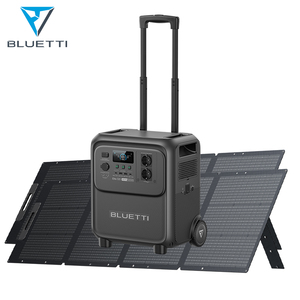
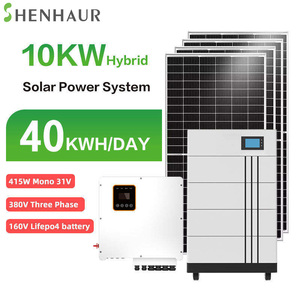
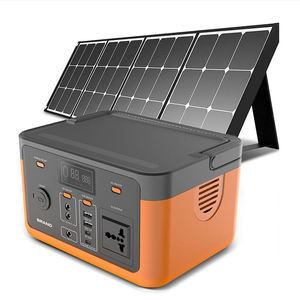
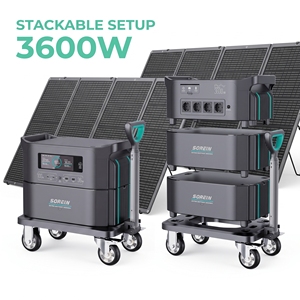
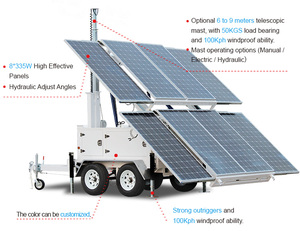
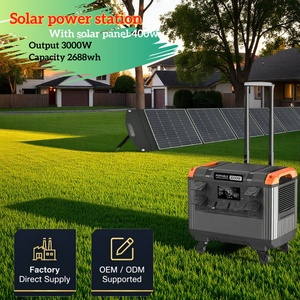
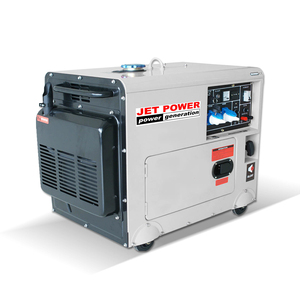
As Uzbekistan rapidly accelerates its national energy transition under the Strategy "Uzbekistan - 2030", massive utility-scale wind and solar infrastructure projects are expanding across the Republic of Karakalpakstan, Navoi, Bukhara, and Surkhandarya regions. Central to this multi-gigawatt renewable energy expansion is precise, continuous meteorological data acquisition—specifically executed via advanced LiDAR (Light Detection and Ranging) systems and SODAR units.
Unlike traditional, static meteorological masts that require cumbersome structural permitting and limited elevation analysis, mobile and stationary LiDAR deployment provides high-resolution wind speed, directional vector, and turbulence intensity data up to 300 meters above ground level. However, operating precision optical sensors and laser optics in the vast, grid-isolated Central Asian steppes poses a fundamental engineering bottleneck: uninterrupted, zero-downtime off-grid electric power delivery under harsh continental weather extremes.
Our manufacturing facility engineers and supplies custom-integrated off-grid power systems, solar-wind hybrid units, deep-cycle LiFePO4 battery banks, and back-up generators tailored explicitly to sustain continuous operation for remote LiDAR systems operating throughout Uzbekistan.
Continuous power for ground-based LiDAR units measuring atmospheric boundary layers for mega-scale wind farms in Karakalpakstan.
Powering remote topological LiDAR and gas monitoring stations across Navoi industrial corridors and desert pipeline routes.
Autonomous mobile trailer units supporting road survey LiDAR, border security radar, and environmental sensor nets.
Deploying remote power solutions in Central Asia requires rigorous engineering adaptations. Uzbekistan experiences extreme seasonal temperature swings—ranging from sub-zero winter blasts dropping to -30°C in northern Karakalpakstan to scorching summer temperatures exceeding +50°C in the Kyzylkum Desert. Furthermore, atmospheric dust loading from the expanding Aralkum Desert subjects power enclosures to fine particulate sand ingress.
To guarantee an operational availability exceeding 99.9%, our factory integrates specific defense mechanisms into every power station exported to Uzbek industrial clients:
A standard ground-based LiDAR unit (such as a ZX Lidars or Vaisala WindCube system) together with internal window heating, satellite modems, and local data loggers demands a continuous baseline load of 45W to 150W depending on ambient thermal conditions. While seemingly low, running this continuously 24 hours a day, 365 days a year demands careful energy balance modeling to prevent expensive battery dropouts.
Our engineering methodology computes necessary battery capacity $C_{wh}$ based on worst-case monthly solar irradiance ($I_{min}$) and maximum winter heating duty cycles:
Autonomy Reserve Capacity (Wh) = P_load (W) × 24 (hours) × Days_autonomy (7 to 14 days) / Maximum Depth of Discharge (DOD)
For a continuous 100W LiDAR system operating in high-latitude Uzbek regions requiring 7 days of complete autonomy without solar or wind generation, the minimum usable battery bank size is 16,800Wh (16.8kWh). By integrating high-cycle LiFePO4 chemistry with an automated diesel or methanol fuel cell backup, system downtime is virtually eliminated.
The industrial landscape in Uzbekistan is undergoing rapid modernization across several key economic pillars:
International developers (including ACWA Power, Masdar, and TotalEnergies) are developing gigawatt-scale wind projects. Deploying mobile solar power trailers equipped with telescopic masts allows rapid relocation of LiDAR units across potential sites without civil works or grid drop-ins.
State entities like Uzbekneftegaz require continuous environmental monitoring, cathodic protection, and LiDAR pipeline corridor inspections. Our all-in-one power units provide stable 24V/48V DC outputs directly to sensor nodes across thousands of kilometers of remote terrain.
Open-pit gold and copper extraction complexes utilize automated scanning LiDAR systems for slope stability monitoring and pit volumetric calculations. Stationary insulated power containers ensure high-voltage battery banks remain protected against heavy machinery vibrations and blasting dust.
As a specialized manufacturer and global exporter of off-grid energy infrastructure, we offer direct business-to-business (B2B) supply agreements, customs documentation support, and tailored engineering assistance for buyers across Uzbekistan, including Tashkent, Samarkand, Navoi, Nukus, and Bukhara.
Every controller, wiring loom, enclosure, and solar frame is pre-assembled and load-tested in our factory before international freight dispatch.
ISO 9001, ISO 14001, CE, and UN38.3 battery safety compliance ensures seamless logistics clearing through Uzbek customs.
Every system includes integrated Victron Cerbo GX or custom telemetry hardware giving real-time global visibility of voltage, SOC, and ambient temperature.
Our severe-climate power stations utilize automated internal thermal management. Built-in low-power silicone heating elements warm the LiFePO4 cells to safe charging thresholds (>0°C) using incoming solar or wind energy before active charging begins.
Yes. Our mobile solar high-mast trailers are equipped with heavy-duty outriggers and wind-rated steel mounting frames engineered to endure sustained wind gusts up to 35 m/s (126 km/h) commonly experienced across Karakalpakstan steppes.
We handle export packing in conformity with ISPM-15 standards and arrange multimodal rail/road freight shipping directly to Tashkent customs terminals, or bonded delivery directly to site coordinates in Navoi, Nukus, and Bukhara.
Yes. Our hybrid control units feature dry-contact programmable relays (e.g., Victron, Schneider, or SmartGen controllers) that monitor battery State of Charge (SOC). If SOC drops below a set threshold (e.g., 20%), the 10kVA silent generator auto-starts to top up the system.
Absolutely. We regularly engineer specialized power stations with custom DC outputs (12V, 24V, 48V pure DC), specialized aviation obstruction light feeds, and integrated satellite communication router enclosures based on exact client specs.
Our system enclosures can be factory-fitted with Starlink satellite terminals or low-power Iridium SBD modems, allowing engineering teams in Tashkent or overseas to monitor power metrics from any location on Earth.
Consult with our senior off-grid power engineers today. We analyze your geographical coordinates, local ERA5 solar/wind data, and sensor power profiles to deliver a optimized factory quote.