Designed & manufactured in Herefordshire, UK — shipping worldwide Mon–Thu 9–5 | Fri 9–4 | +44 (0)1981 241668

Engineered for extreme grid resilience, seismic compliance, and high-efficiency renewable capture across Japan's coastal and mountainous terrains.
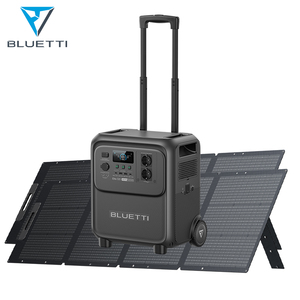
1800W continuous AC output supporting 120V/230V dual voltage. Designed for rapid emergency deployment during seismic outages and off-grid field operations.
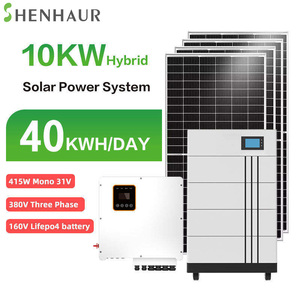
Turnkey solar hybrid kit with integrated MPPT control and high-cycle storage. Tailored for isolated residential clusters and infrastructure backup.
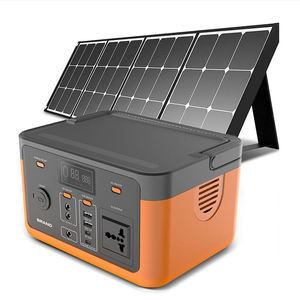
Ultra-safe Lithium Iron Phosphate chemistry with 3,500+ deep cycles. Ideal for remote telemetry, IoT sensing stations, and mobile field kits.
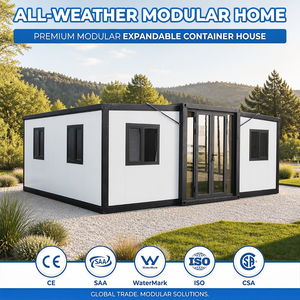
Self-sustaining expandable modular home unit pre-fitted with integrated solar roof arrays, battery storage enclosure, and auxiliary hybrid hookups.
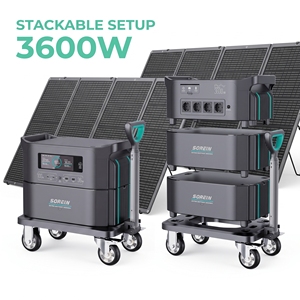
Heavy-duty power station integrating pure sine wave inverters and high-density solar input for critical commercial load management during outages.
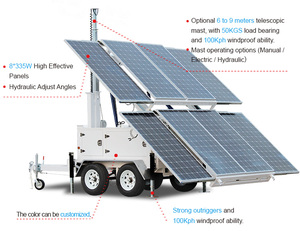
Rapid-deploy trailer with telescoping mast lighting and battery bank. Essential for emergency disaster zones, civil construction, and night utility repairs.
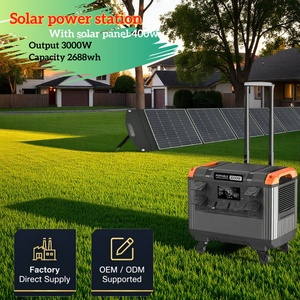
Zero-transfer time (<10ms) uninterruptible power supply customized for delicate medical, industrial automation, and IT data logging infrastructure.
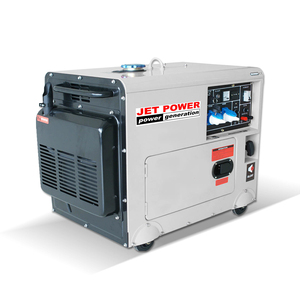
Acoustically soundproofed tertiary backup generator designed to seamlessly auto-start when solar/wind levels decline below critical battery thresholds.
Japan’s energy ecosystem is undergoing a fundamental structural transition. Driven by the national 2050 Net-Zero Carbon Directive, the transition from Feed-in Tariffs (FIT) to Feed-in Premiums (FIP), and the stringent mandates of the National Resilience Act (国土強靱化), industrial energy buyers can no longer rely solely on centralized grid connections. Extreme weather events—ranging from Category 5 typhoons along the Pacific seaboard to heavy snowfall in the Japanese Alps (Yukiguni)—demand off-grid power generation systems capable of total autonomous operational continuity.
As a premiere Hybrid System Manufacturer & Supplier serving the Japanese market, our engineering core blends horizontal/vertical axis wind turbines, high-efficiency monocrystalline solar arrays, LiFePO4/AGM energy storage, and optional automated fuel cell backups into unified, intelligent microgrids. By deploying advanced meteorological reanalysis (ERA5 blended with Japan Meteorological Agency data), our systems guarantee continuous multi-day power autonomy for safety-critical assets, telecommunications networks, and remote industrial monitoring.
Turbine aerodynamics customized for light breeze startup (under 2.0 m/s), ensuring consistent trickling power output even during weak thermal drafts.
Anodized aluminum, 316 stainless steel hardware, and marine-grade epoxy sealants engineered specifically for coastal sea breeze exposure across Japanese islands.
Integrated Modbus RTU / Victron Cerbo GX telemetry giving engineers real-time visibility over State of Charge (SoC), load profiles, and automated safety shutdowns.
Deploying hybrid wind-solar systems in Japan requires specialized engineering tailored to local geographical and atmospheric challenges. Our systems are built and field-tested for the following core industry verticals:
| Application Scenario | Primary Environmental Threat | System Architecture Configuration | Operational Autonomy Standard |
|---|---|---|---|
| Disaster Relief & Shelters | Earthquake grid disconnect, tsunami interruption | 5kW–10kW Solar + LiFePO4 Bank + Silent Diesel Tertiary Backup | 7+ Days Continuous Autonomy |
| Coastal Telecom Towers (5G/LTE) | Typhoon wind loads (60m/s+), salt spray fog | LE-v150 Storm Turbines + Monocrystalline Solar + Marine AGM Storage | 24/7/365 Zero-Downtime Target |
| Mountain Meteorological Stations | Sub-zero temperatures, heavy snow accumulation | Vertical Axis Wind Turbine (VAWT) + Low-Temp LiFePO4 Heating Pads | 5 Days Unattended Autonomy |
| Prefab Eco-Resorts & Prefab Housing | Strict municipal noise restrictions, space limits | Ultra-Silent Portable Power Station + Folding High-Efficiency Solar Frames | 100% Off-Grid Daily Cycling |
Japanese coastal installations—such as radar stations off Okinawa or offshore wind farm monitoring platforms in the Sea of Japan—face atmospheric conditions that destroy standard commercial generators. Salt air causes electrolytic corrosion, while sudden typhoon squalls exceed the mechanical brake limits of traditional wind systems.
Our solutions feature LE-v150 Vertical Axis Storm Turbines coupled with thick-film passivated solar enclosures. Because vertical axis turbines absorb wind from all 360 degrees without requiring a tail vane or yaw mechanism, they operate seamlessly in turbulent, swirling gale-force winds without over-speeding or mechanical lockup.
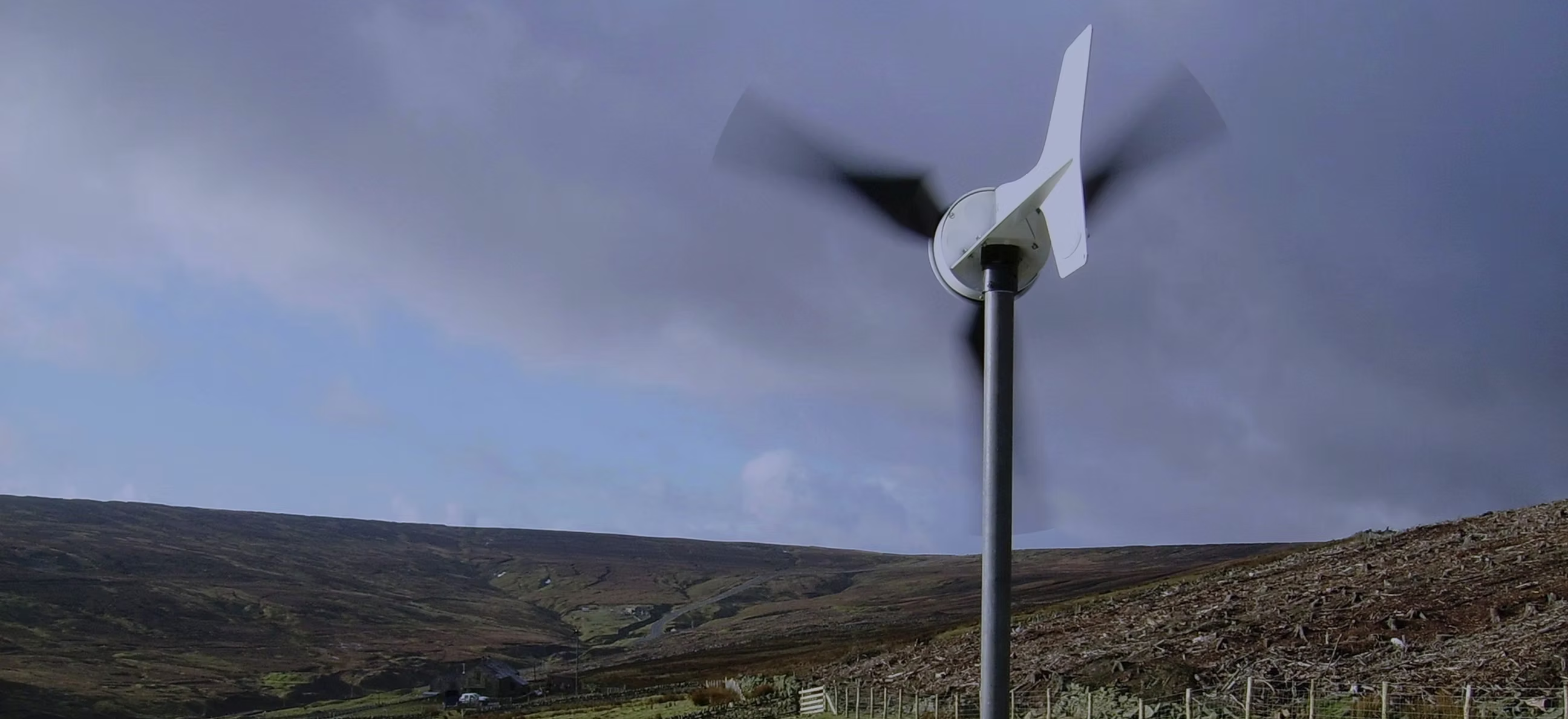
Engineered to survive sustained atmospheric wind gusts up to 27 m/s (60 mph) without mechanical degradation. Field-proven in extreme northern climates.
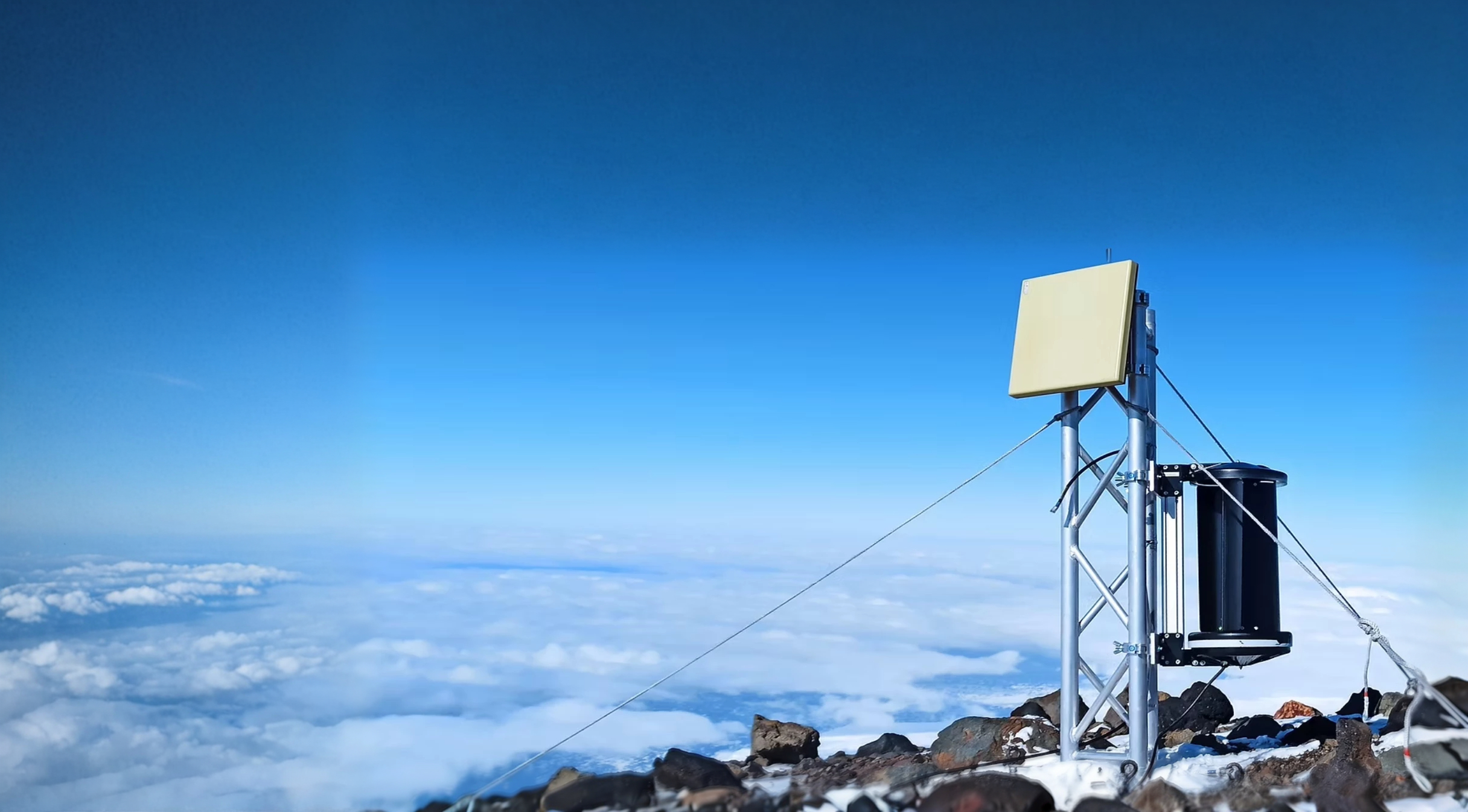
Integrated hybrid array providing non-stop 24V/48V DC power to isolated weather sensors, fire prevention telemetry, and emergency repeaters.
Since 2009, our manufacturing lineage has been rooted in solving the most challenging power problems on Earth. Unlike off-the-shelf system assemblers, we design, engineer, and test our core components in-house. This gives us full architectural control over the electrical, thermal, and mechanical properties of every hybrid unit exported to Japan.
Under-sizing a hybrid system leads to catastrophic battery depletion in winter; over-sizing inflates capital expenditure (CAPEX) unnecessarily. We utilize high-resolution ERA5 satellite reanalysis combined with Japan Meteorological Agency historical dataset inputs. We calculate site-specific solar irradiance and wind velocity profiles hour-by-hour across a 20-year historical baseline, ensuring true worst-month autonomy guarantees.
Our engineering support team holds GWO offshore certifications. When specifying systems for off-shore marine platforms, microwave relay sites, or high-altitude national park installations, our technical guidance aligns with strict industrial offshore safety protocols.
Our microgrids employ a intelligent multi-stage energy management controller:
Our equipment is routinely specified by global civil engineering firms, national transportation authorities, and tier-1 utility providers.








Addressing regulatory standards, delivery timelines, seismic compliance, and technical support for Japanese enterprise buyers.
Yes. Our export power units, inverters, and battery management systems (BMS) are manufactured in ISO-aligned facilities and can be configured to comply with Electrical Appliance and Material Safety Law (PSE) standards, UN38.3 lithium transport testing, and METI grid inter-connection safety guidelines.
Our LE-v150 and horizontal turbine models feature electronic over-speed braking combined with passive aerodynamic stall blade designs. Engineered to withstand wind velocities exceeding 27 m/s to 60 m/s without structural fatigue, eliminating the risk of blade destruction during typhoon season.
Absolutely. We supply integrated internal thermal management systems for our LiFePO4 enclosures, using low-wattage heating elements powered directly by excess wind generation. For extreme cold regions, we also offer deep-cycle AGM sealed batteries rated for -40°C operation.
Standard standalone portable systems ship within 1 to 2 weeks. Custom-engineered microgrid skids, specialized telemetry housings, and containerized modular power hubs typically require 4 to 6 weeks for manufacturing, testing, and ocean freight logistics to major Japanese ports (Yokohama, Tokyo, Kobe, Osaka).
Yes. Our systems can integrate low-power Satellite IoT terminals (such as Starlink or Iridium M2M) alongside traditional cellular Modbus gateways, allowing engineers to track system telemetry from anywhere in Japan.
Our application engineering team provides complimentary site resource evaluations. By providing site GPS coordinates and load profiles (in Watt-hours per day), we issue full technical performance reports detailing expected monthly yield and autonomy margins.
Speak directly with our senior system architects to design a high-reliability off-grid or emergency hybrid energy solution tailored to your exact location in Japan.