Designed & manufactured in Herefordshire, UK — shipping worldwide Mon–Thu 9–5 | Fri 9–4 | +44 (0)1981 241668

Engineered for severe coastal climates, high atmospheric salinity, and demanding continuous load profiles in the Greater Boston market and global export destinations.
An in-depth assessment of aerodynamic efficiency, permanent magnet synchronous generators (PMSG), and harsh climate survivability for industrial specifiers.
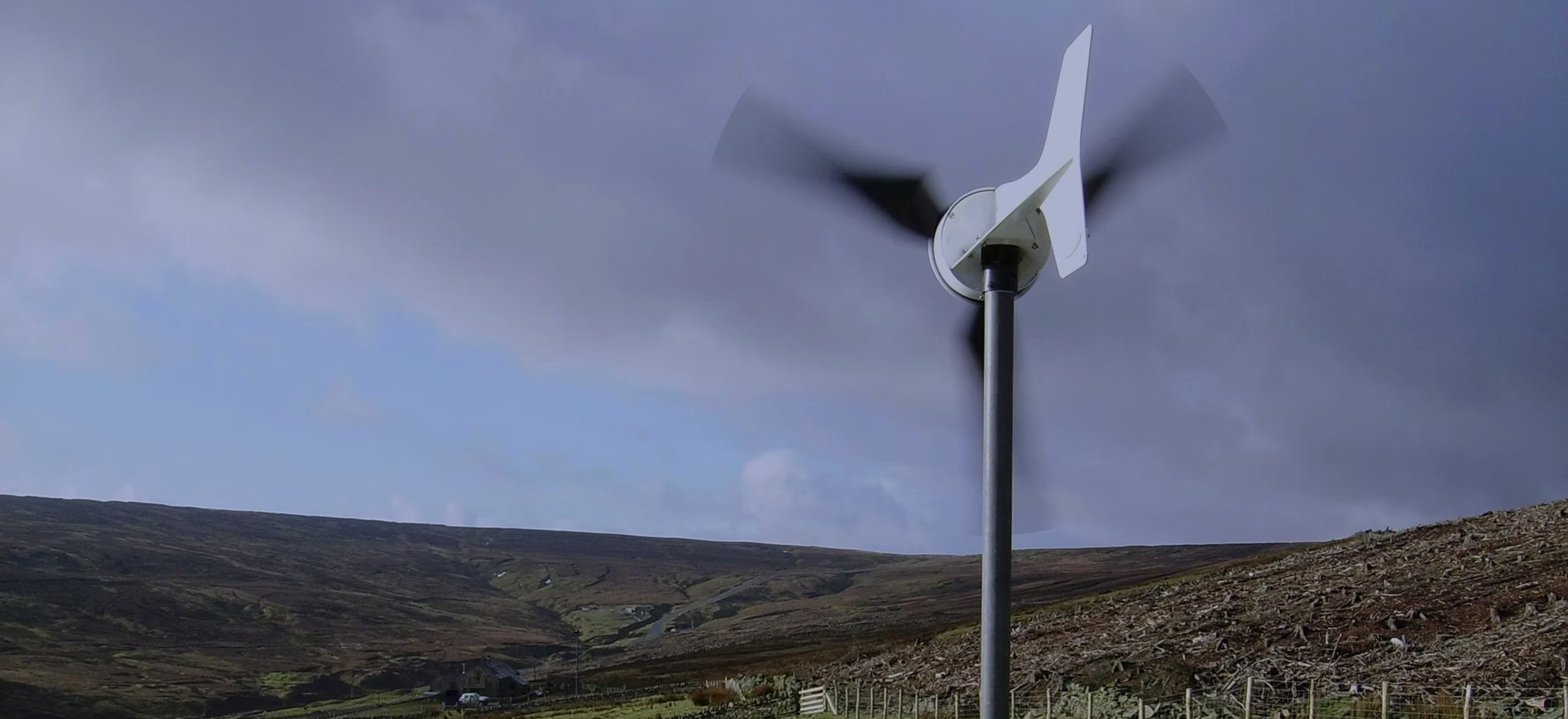
Horizontal Axis Wind Turbines (HAWT) remain the undisputed benchmark for mechanical efficiency in small-to-medium clean power generation. By capturing wind energy parallel to the airflow vector, horizontal turbines achieve coefficient of power (Cp) values reaching up to 0.45 to 0.48—significantly outperforming vertical axis alternatives across laminar and moderately turbulent wind regimes.
In the Greater Boston market and coastal New England—where average offshore and littoral wind speeds regularly exceed 6.5 m/s to 8.5 m/s at 10-meter hub heights—our engineered horizontal turbines utilize customized NACA airfoils. These precision-molded glass-reinforced polypropylene or carbon-fiber blades maintain dynamic balance, minimal acoustic signature, and high torque output during low cut-in wind velocities starting as low as 2.0 m/s.
For municipal engineers, coastal facility directors, and remote telecommunications operators across Massachusetts, this aerodynamic precision directly translates into higher kilowatt-hour (kWh) annual energy yield per dollar of capital expenditure.
Evaluating mechanical load handling, electrical topology, thermal management, and lifecycle costs under Atlantic weather dynamics.
Eliminating high-maintenance mechanical gearboxes, our horizontal turbines integrate Direct-Drive Permanent Magnet Synchronous Generators (PMSG) utilizing rare-earth Neodymium-Iron-Boron (NdFeB) magnets. This design reduces frictional losses, lowers internal operating heat, and delivers continuous 3-phase AC generation with zero gear oil replacement cycles over a 20-year service life.
Boston winters present extreme icing challenges. Our regional export models feature passive aerodynamic stall control coupled with optional internal low-wattage resistive heating elements inside the rotor blades. Electro-thermal blade warming prevents ice buildup from altering the airfoil shape during severe freeze-thaw cycles along the Massachusetts coast.
To ensure seamless pairing with microgrid battery storage, incoming variable 3-phase AC voltage is converted using industrial High-Efficiency Maximum Power Point Tracking (MPPT) wind rectifiers. The system dynamically tracks turbine RPM to optimize load impedance, maximizing power extraction across turbulent coastal wind shear profiles.
| Performance Metric | Our Direct-Drive Horizontal Turbine | Conventional Geared HAWT | Standard Vertical Axis (VAWT) |
|---|---|---|---|
| Aerodynamic Efficiency (Cp) | 0.42 – 0.48 (Industry Leading) | 0.35 – 0.40 | 0.18 – 0.28 |
| Cut-In Wind Speed | 2.0 m/s (4.4 mph) | 3.5 m/s (7.8 mph) | 3.0 m/s (6.7 mph) |
| Salt-Spray & Atmospheric Coating | ISO 12944 C5-M Heavy Marine | Standard C3 Industrial Paint | Basic Powder Coating |
| Maintenance Interval | 5 Years (Visual & Electrical Check) | 12–18 Months (Gearbox Oil Change) | 2 Years (Bearing Lubrication) |
| Survival Wind Rating | Up to 60 m/s (Category 4 Hurricane) | 45 m/s | 50 m/s |
Custom-engineered power solutions addressing the specific geographic, regulatory, and environmental demands of the Greater Boston metropolitan region and coastal New England.
With Massachusetts positioning itself as the primary hub for U.S. commercial offshore wind deployment—anchored by facilities at the Port of New Bedford and logistics nodes around Boston Harbor—our heavy-duty horizontal turbines serve as primary and backup power stations for offshore staging yards, environmental monitoring buoys, and vessel refueling terminals.
These systems incorporate marine-grade anodized aluminum nacelles and stainless steel (316L) fasteners to withstand continuous exposure to airborne salt crystals, dense Atlantic fog, and freezing spray.
Research institutions, oceanographic groups, and municipal water authorities operating throughout Cape Cod, Buzzards Bay, and the Gulf of Maine rely on autonomous power to run remote sensing equipment, LiDAR atmospheric profilers, and water quality telemetry stations. Pairing our horizontal axis wind turbines with rugged LiFePO4 battery storage ensures unbroken 24/7/365 operational uptime—even during prolonged winter periods when solar irradiance drops below 2.2 peak sun hours per day.
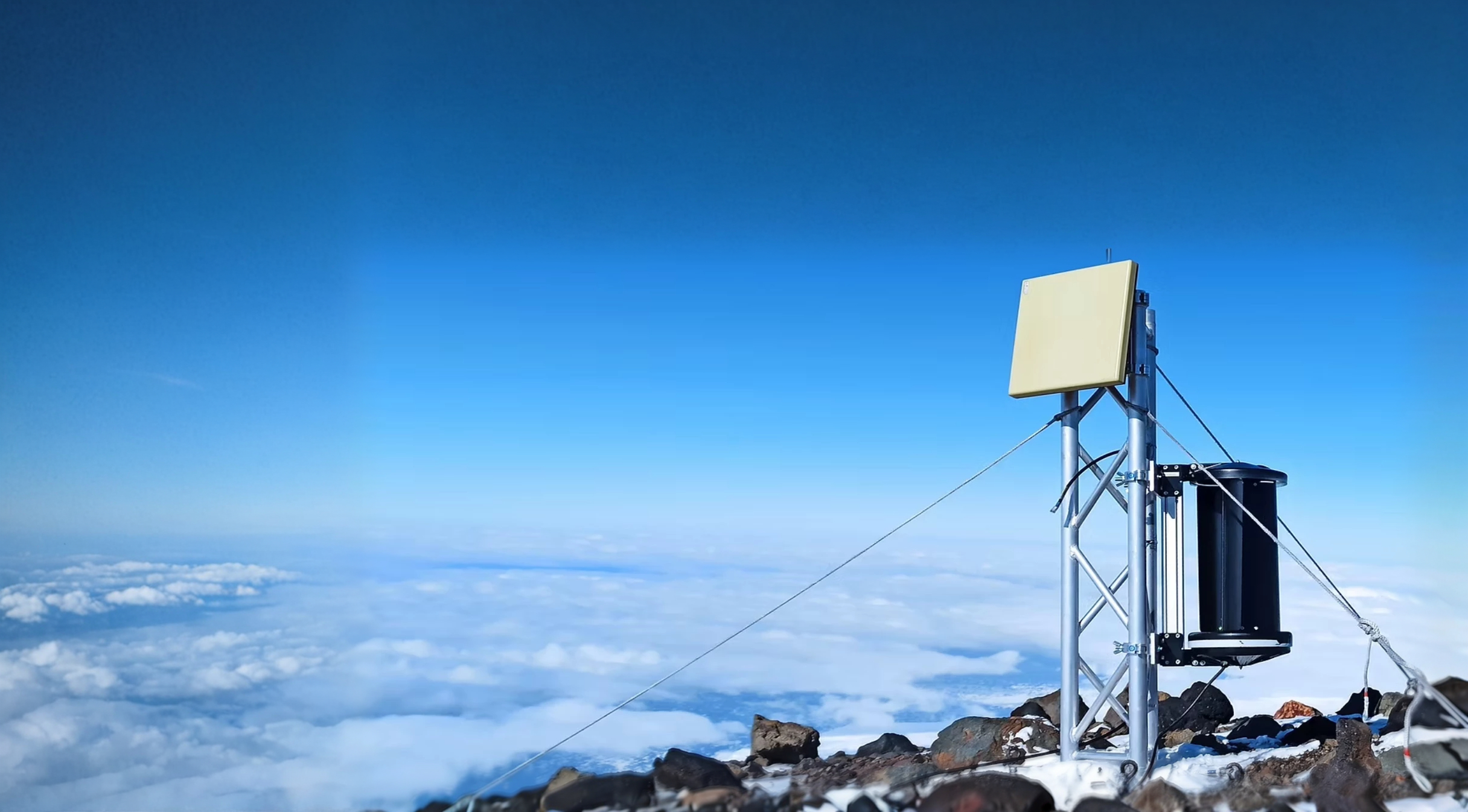
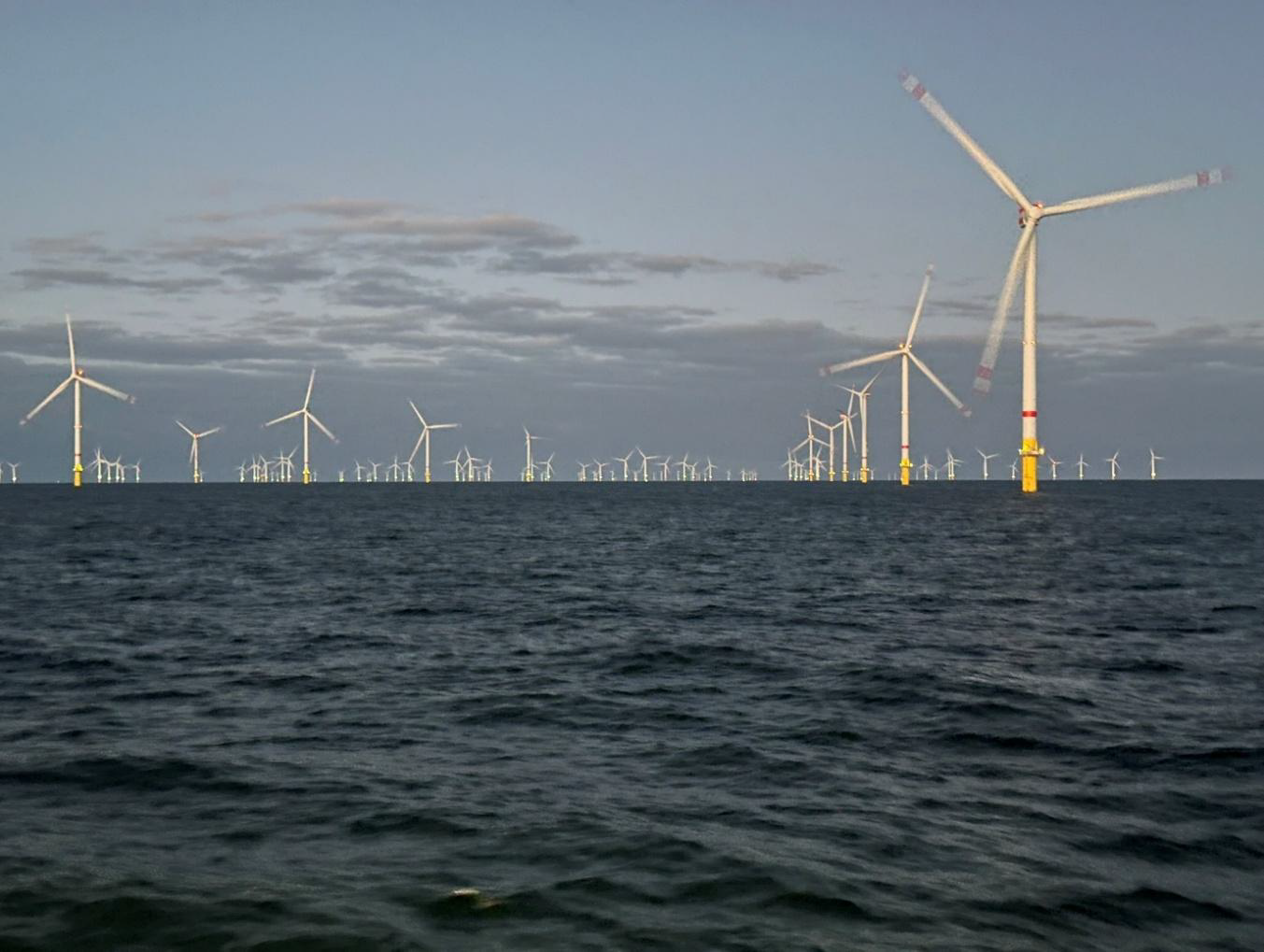
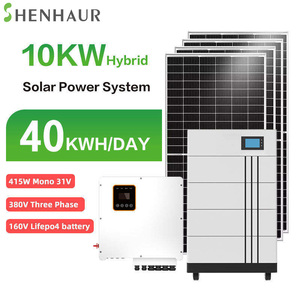
Commercial facilities, biotech labs, and distribution hubs across the Route 128 and Interstate 495 corridors face escalating regional electricity rates and increased risk of grid instability during winter Nor'easters. Integrating localized horizontal wind generation with 5kW–10kW hybrid solar and battery storage allows enterprise managers to engage in peak shaving, reduce ISO-New England grid demand charges, and secure mission-critical power continuity during severe weather disruptions.
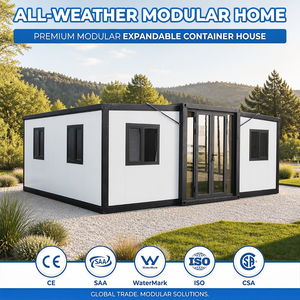
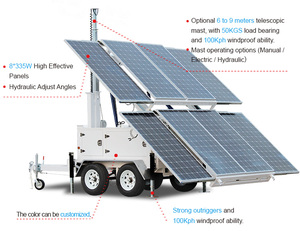
In municipal disaster recovery and remote construction operations across Eastern Massachusetts, quick setup times are critical. Our mobile high-mast solar/wind trailer units and expandable 20ft modular command structures provide self-contained power and climate-controlled operational quarters that can be fully commissioned by non-specialist crews in under 45 minutes.
Capitalizing on Massachusetts clean energy mandates, MassCEC initiatives, and international trade routes via the Port of Boston.
Massachusetts' Climate Roadmap legislation targets net-zero emissions by 2050, driving rapid adoption of distributed wind energy and microgrids. Municipalities across Greater Boston are mandating resilient onsite renewable storage for municipal buildings and critical infrastructure, spurring high demand for certified small horizontal wind systems.
Boston's world-class engineering institutions (MIT, Harvard, Northeastern) combined with the maritime logistics infrastructure of Conley Terminal at the Port of Boston make the city a global hub for exporting advanced green technology. Manufacturers located here benefit from streamlined maritime transport to North Atlantic, European, and Latin American markets.
With expanded Investment Tax Credits (ITC) under federal clean energy frameworks, Boston-area commercial buyers can offset up to 30% to 40% of capital costs for combined wind-plus-storage projects. Furthermore, local MassCEC grants accelerate feasibility studies and microgrid pilot testing for regional enterprises.
Combining decades of specialized wind and solar system design, rigorous quality control, and end-to-end technical support for complex international projects.
Unlike third-party equipment resellers, every horizontal axis turbine, smart charge controller, and weatherized steel enclosure in our lineup is designed, assembled, and load-tested in our state-of-the-art facility. Our production line operates under strict ISO 9001 quality management and ISO 14001 environmental standards, ensuring strict dimensional tolerances, zero magnetic leakage in generator assemblies, and total component traceability.
We do not rely on generic annual wind averages. Before issuing a technical proposal, our engineering team utilizes high-resolution ERA5 reanalysis data blended with Global Wind Atlas metrics for your exact GPS coordinates. We model hourly wind shear, seasonal air density, gust velocity distributions, and thermal battery degradation to deliver an honest, guaranteed power profile for the worst winter month of the year.
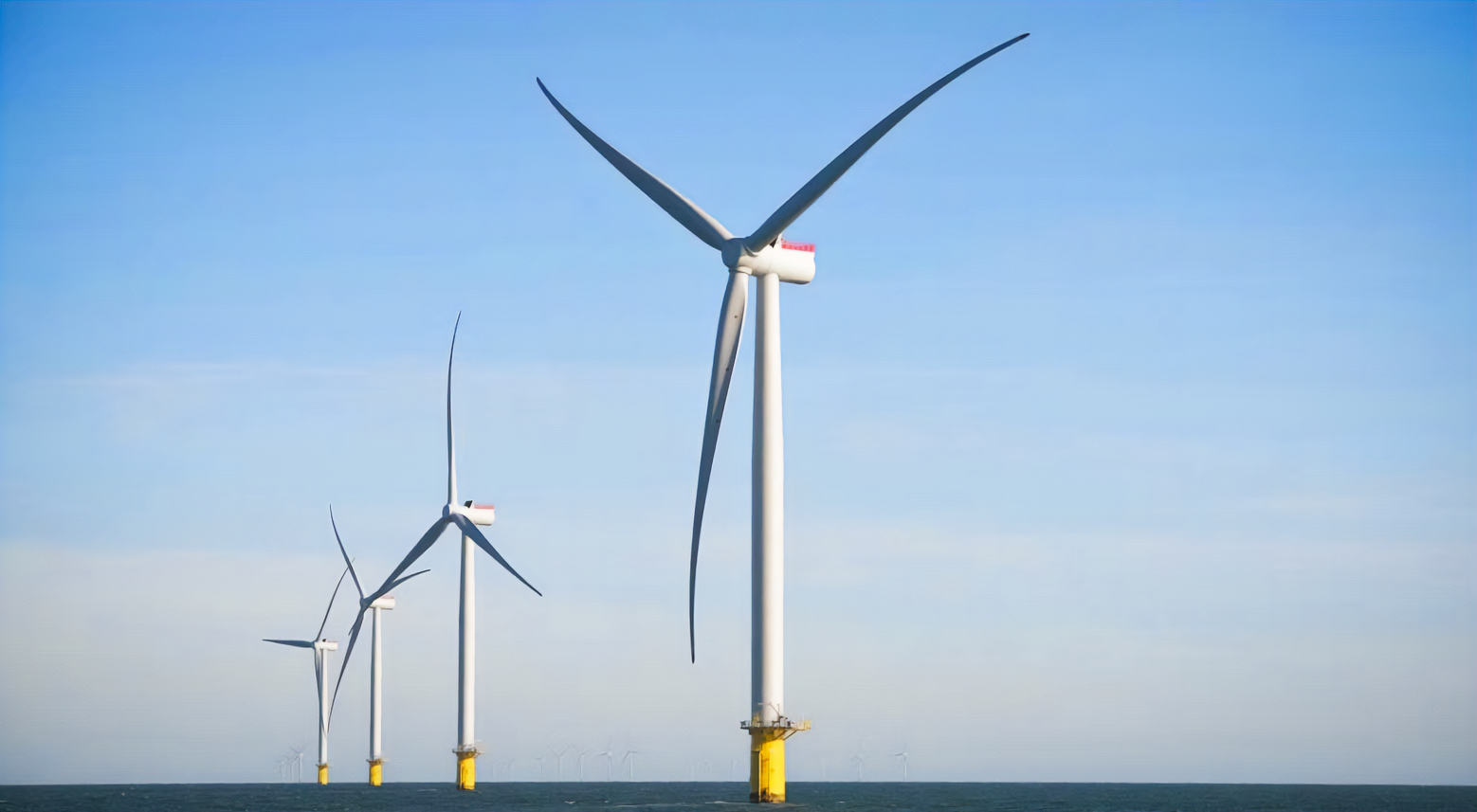
Our service engineers hold Global Wind Organisation (GWO) offshore certifications, allowing us to support offshore installations, maritime platforms, and remote island projects directly. With established export packaging standards, export compliance clearances, and multi-modal freight capabilities from the Port of Boston, we deliver pre-commissioned energy systems directly to job sites worldwide.
Addressing crucial technical, regulatory, and logistical inquiries for regional specifiers and international export partners.
Our turbines are engineered specifically for cold-climate and high-salinity marine environments. Key survivability features include: 1) ISO 12944 C5-M anti-corrosion marine epoxy coatings, 2) Sealed 316 stainless steel hardware, 3) Dual electromagnetic and mechanical braking systems that trigger automatically when wind speeds exceed 25 m/s, and 4) Low-temperature synthetic lubrication rated to -40°C. Units are tested to survive maximum wind gusts up to 60 m/s (134 mph).
System delivery depends directly on turbine rated capacity and storage sizing. For example, a typical off-grid telemetry station equipped with an LE-300 horizontal wind turbine, 1.2 kWp monocrystalline solar array, and a 10 kWh LiFePO4 battery bank supports a continuous 150W base load 24 hours a day, 365 days a year across New England with 5 to 7 days of complete battery autonomy during low-sun winter periods.
Yes. When configured for grid-tied or hybrid operation, our systems incorporate UL 1741 and IEEE 1547 compliant smart inverters. These units support anti-islanding protection, active frequency regulation, voltage ride-through, and CANbus/RS485 communication protocols required for seamless interconnection within the ISO-New England service territory.
Standard production units carry a lead time of 2 to 4 weeks, while fully customized OEM microgrid containers require 6 to 8 weeks. We handle ocean freight via the Port of Boston (Conley Terminal) and air freight through Boston Logan International Airport (BOS), managing all export documentation, commercial invoices, and origin certification for international buyers.
Every hybrid system can be optioned with integrated Victron Cerbo GX or custom cellular/satellite telemetry gateways. Plant managers can log into a cloud dashboard from anywhere in the world to view real-time state of charge (SoC), turbine RPM, solar array current, temperature sensors, and load performance—complete with automated SMS/email alerts for threshold warnings before any operational threat arises.
Consult directly with our application engineers. Provide your site GPS coordinates, load profile requirements, or project specifications, and receive a comprehensive system design and quote within 24 hours.