Designed & manufactured in Herefordshire, UK — shipping worldwide Mon–Thu 9–5 | Fri 9–4 | +44 (0)1981 241668

Engineered for Caspian Offshore Rigs, Telecom Relays, Remote Telemetry & Regional Infrastructure in Azerbaijan
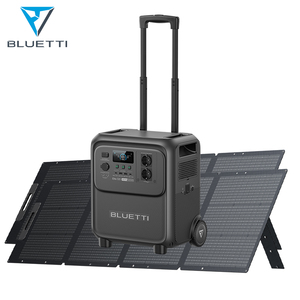
Heavy-duty 120V/230V portable power station supporting multi-protocol solar charging. Designed for rapid emergency deployment in Azerbaijan oilfields and survey sites.
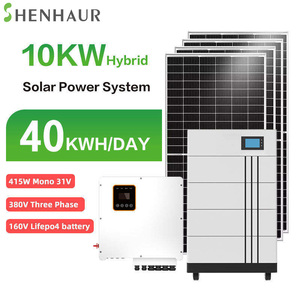
Complete turnkey off-grid power package featuring dual MPPT controllers and heavy-duty battery banks engineered for continuous industrial base loads.
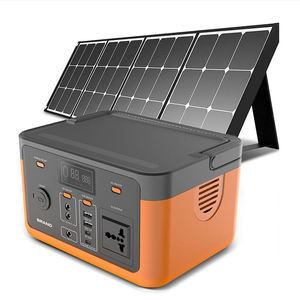
High-cycle LifePO4 industrial battery generators built for high-temperature stability, outdoor utility work, and remote monitoring backup power.
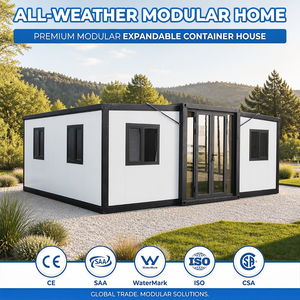
Self-contained, rapidly deployable containerized command module equipped with roof-integrated horizontal wind turbine mounts and solar arrays.
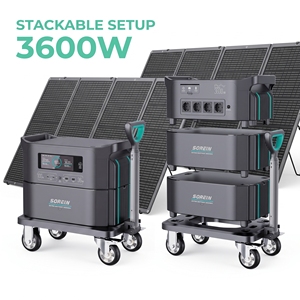
Integrated hybrid power engine designed for rugged field operation, incorporating intelligent microgrid switching and remote telemetry capability.
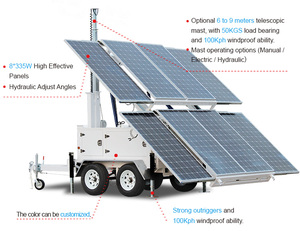
Pneumatic high-mast trailer platform supporting horizontal turbine integration, ideal for highway construction lighting, security, and temporary communications.
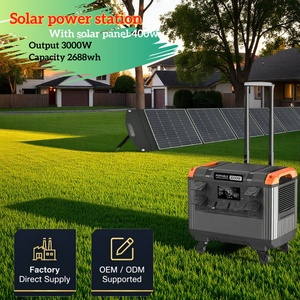
Fast-charging, zero-latency switching uninterrupted power supply (UPS) built for sensitive offshore telemetry networks and industrial control panels.
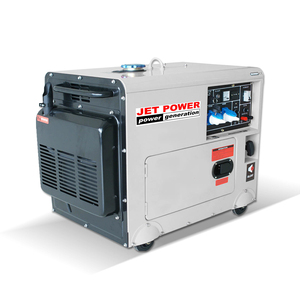
Ultra-quiet, multi-phase auxiliary power unit designed for seamlessly bridging prolonged winter solar deficits alongside horizontal micro-wind turbines.
Strategic deployment of horizontal axis wind turbines (HAWT) and hybrid off-grid architectures across distinct geographical zones
The Caspian Sea environment presents extreme operational challenges: high atmospheric salinity, severe humidity, and persistent coastal gale-force winds (the Khazri wind system). Standard commercial wind generators degrade rapidly under these marine conditions.
Our manufactured horizontal turbines feature sealed C5-M marine-grade polyurethane anti-corrosion coatings, dual-lip fluororubber shaft seals, and 316 stainless steel fasteners. Operating in tandem with offshore communications platforms near the Baku Archipelago and Neft Dashlari, these turbines deliver continuous 24V/48V power to Starlink ground nodes, SCADA telemetry sensors, and automated maritime navigation markers without requiring human intervention for up to 36 months.
The Absheron Peninsula and the surrounding Gobustan region possess world-class wind energy resources, characterized by average wind speeds exceeding 7.5 m/s. However, summer dust storms and high temperature fluctuations can cause severe mechanical drag and abrasive wear on turbine blades.
We supply horizontal axis wind turbines equipped with glass-reinforced polyamide composite blades engineered with specialized aerodynamic profiles. This design maintains low cut-in speeds (2.0 m/s) while preventing micro-abrasions caused by windborne sand. Integrated into hybrid solar-wind stations in the Alat Free Economic Zone (AFEZ), our systems deliver stable 24/7 base-load power for automated logistics centers and agricultural IoT irrigation pumps.
High-altitude sites across the Greater and Lesser Caucasus mountain ranges (e.g., Shahdag, Kalbajar, and Lachin sectors) endure heavy sub-zero winter temperatures (-30°C), heavy rime ice accumulation, and extreme turbulence spikes.
Our mountain-spec horizontal turbines incorporate dynamic electro-magnetic auto-braking systems and thermal-resistant passive heating inside the generator housing to prevent rotor freezing. Matched with high-discharge LiFePO4 battery banks and MPPT controllers, these setups provide critical power autonomy to border surveillance posts, microwave relay towers, and national hydrometeorological stations year-round.
Selecting the optimal continuous power generation model based on microclimate variables and operational criticalities:
| System Architecture | Wind/Solar Resource Fit | Winter Autonomy | Salt-Air / Dust Resilience | Typical Applications in Azerbaijan |
|---|---|---|---|---|
| Horizontal Wind Turbine (HAWT) Standalone | High Wind (Absheron / Offshore Caspian) | Excellent (Year-round generation) | C5-M Enclosure Marine Grade | Caspian oil platform markers, coastal telemetry |
| Solar-PV Only Systems | High Irradiance (Central Aran Lowlands) | Poor (Winter shadow & fog risk) | Dust accumulation risk on glass | Agricultural water pumping, urban IoT monitoring |
| HAWT + Solar Hybrid Dual-Power | All Azerbaijan Regions (Optimal Balance) | Superior (Complementary seasonal peaks) | Industrial multi-layer coating protection | Telecom towers, military outposts, oil pipelines |
| Diesel-Hybrid Integrated Container | Emergency / High Wattage Infrastructure | 100% (Fuel dependent backup) | IP65 Weatherproof containerized | Alat Free Zone construction, mining camps |
Azerbaijan is undergoing a major energy transformation. The national vision for economic diversification and decarbonization is driving significant growth across three main clean energy sectors:
As a specialized factory and global supplier, our engineering team works directly with engineering procurement contractors (EPCs) across Azerbaijan to deliver pre-configured, ISO-certified wind energy power pods that meet strict local standards.
With an engineering legacy dating back to 2009, our manufacturing facility produces small horizontal axis wind turbines and hybrid energy storage systems that operate in some of the world's most severe environments—from polar research outposts to offshore wind farms in the North Sea and desert corridors across Eurasia.
We don't rely on generic global average wind charts. Our engineers pull precise ERA5 spatial reanalysis data blended with Global Wind Atlas coordinates for your exact installation site in Azerbaijan, providing honest annual kilowatt-hour yield predictions.
Every rotor, alternator assembly, charge controller, and industrial skid enclosure is built and tested in-house. We customize voltage outputs (12V, 24V, 48V, 110V DC, 230V/400V AC) to match your exact industrial SCADA or communications load profile.
Our senior engineering team maintains Global Wind Organisation (GWO) certifications. We understand the real-world maintenance requirements of remote sites and provide full life-cycle spare parts support, remote Modbus/CANbus telemetry diagnostics, and field technician training.
Essential technical and logistical insights for procurement managers, EPC contractors, and system integrators
The Khazri wind can produce rapid gusts exceeding 25 to 30 m/s. Our horizontal turbines are designed with dual protection mechanisms: an aerodynamic blade pitch stalls lift at high velocities, and an automated electromagnetic braking controller forces the generator into a low-rpm state when wind speeds surpass safe operational limits (typically 20 m/s). Survival speeds are rated up to 45 m/s, ensuring system integrity during coastal gales.
Yes. All our products are shipped with complete HS Code documentation, ISO 9001/14001 certification, CE compliance declarations, and detailed Certificate of Origin (COO) documentation required by Azerbaijan State Customs Committee (SCC). We ship regularly via international logistics routes directly to the Port of Baku (Alat) or Baku Heydar Aliyev International Airport.
Horizontal axis wind turbines (HAWT) offer significantly higher aerodynamic efficiency (Betz limit conversion) compared to vertical axis models (VAWT). In areas with steady directional wind profiles like the Absheron Peninsula and Caspian offshore corridors, horizontal turbines generate 25% to 40% more kilowatt-hours per square meter of swept rotor area, maximizing ROI for industrial sites.
Central regions like Kurdamir or Aran can experience summer ambient temperatures exceeding +42°C. We supply climate-controlled industrial enclosures equipped with high-temperature stable LiFePO4 chemistry or specialized deep-cycle AGM batteries featuring smart BMS temperature compensation sensors. This prevents thermal runaway and extends battery service life to 8–10 years despite ambient fluctuations.
Absolutely. Our hybrid controllers support RS485 / Modbus RTU, 4G cellular IoT, and satellite telemetry integration (Starlink / Iridium). You can monitor live power generation, wind speed vectors, battery state of charge (SOC), and temperature alerts via a centralized cloud dashboard or integrate data directly into your corporate SCADA system.
Send us your site coordinates, continuous load requirement (Watts), and target deployment date. Our senior power engineering team will generate a free resource assessment and technical proposal within 24 hours.