Designed & manufactured in Herefordshire, UK — shipping worldwide Mon–Thu 9–5 | Fri 9–4 | +44 (0)1981 241668

Explore our flagship industrial portable generators, LiFePO4 energy storage units, mobile solar trailers, and hybrid systems designed for mission-critical reliability.
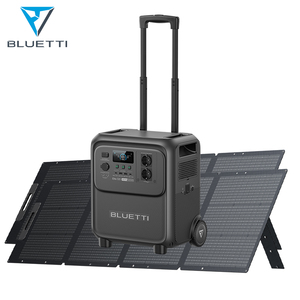
Supports dual 120V/230V AC output, integrated MPPT solar charger, and ultra-fast wall grid recharge capabilities.
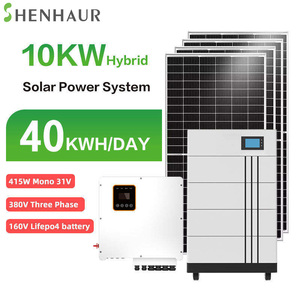
Turnkey industrial residential and commercial off-grid kit with high-efficiency PV arrays and modular battery racks.
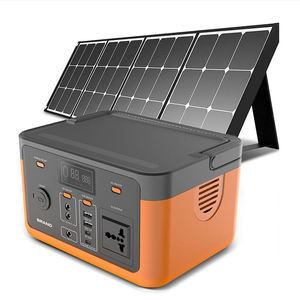
Scalable modular portable generators customized for outdoor remote operations, emergency backup, and fieldwork tools.
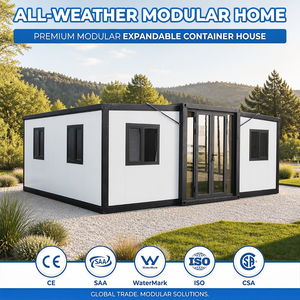
Self-sustaining expandable living and field office module pre-wired for integrated solar array and battery bank setup.
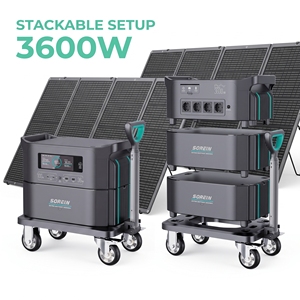
High-surge capacity generator unit housing internal charge controller, inverter, and extended cycle battery modules.
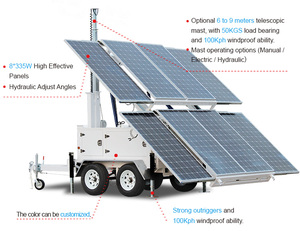
Deployable mobile energy bank equipped with hydraulic solar array fold-out and telescopic high-mast floodlights.
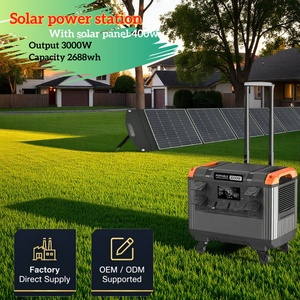
Zero-transfer time UPS backup for telecom switching stations, military hardware, and critical IoT telemetry points.
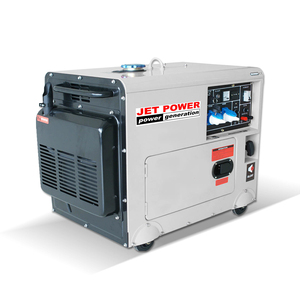
Ultra-silent diesel generator engineered as primary energy or hybrid secondary failsafe for severe weather microgrids.
Founded in 2009 with headquarters in Herefordshire, UK, and advanced production operations globally, our organization stands as a premier manufacturer and enterprise OEM/ODM supplier of off-grid and portable power systems. We engineer solutions designed to maintain uninterrupted operational continuity under earth’s most punitive climatic environments.
From offshore wind platforms in the North Sea (servicing energy giants like Ørsted and RWE) to remote rail monitoring across Network Rail assets, our off-grid solar, wind, and portable power stations are calculated using site-specific ERA5 atmospheric reanalysis data combined with the Global Wind Atlas. We do not rely on standard annual averages; we design system autonomy around the single darkest, stillest month of the calendar year to guarantee zero downtime.
As global commercial and industrial (C&I) sectors transition toward decarbonization and operational resilience, procurement strategies for mobile energy systems are undergoing a fundamental paradigm shift.
Global logistics, infrastructure, and construction fleets are rapidly phasing out fossil-fuel legacy generators due to stringent urban noise restrictions, rising diesel maintenance costs, and carbon tax penalties. Modern enterprise buyers prioritize industrial LiFePO4 (Lithium Iron Phosphate) power stations capable of handling heavy inductive motor surges while offering zero local emissions, 10-year service lifespans, and plug-and-play solar re-charging flexibility.
Procurement teams no longer view portable power generators as isolated hardware units. Contract specifications now demand integrated IoT connectivity (Modbus, CANbus, MQTT over cellular or Starlink). Operations managers require real-time cloud analytics showing State of Charge (SoC), individual cell temperature telemetry, thermal management alerts, and predictive maintenance diagnostics to eliminate site visits to inaccessible mountain or marine locations.
In high-latitude winter deployments where solar radiation drops below 0.5 kWh/m²/day and wind resources fluctuate, enterprise buyers are mandating tri-brid architecture: Solar PV + Micro Wind Turbines + Methanol/Hydrogen Fuel Cell backup generators. Automated generator start (AGS) capabilities ensure seamless auxiliary charging without human intervention whenever battery state-of-charge drops below custom safety thresholds.
How engineering breakthroughs in semiconductor electronics, chemistry safety, and solid-state power systems are reshaping the off-grid market landscape.
| Technology Architecture | Legacy Portable Generators | Next-Gen Industrial Systems (Our Standard) | Operational Impact / ROI |
|---|---|---|---|
| Battery Chemistry | Lead-Acid / AGM / Ternary NMC | Grade-A Automotive LiFePO4 & Solid-State Ready | 3x Cycle Life (6000+ cycles vs 1500), Thermal Safety to 60°C. |
| Inverter Topography | Silicon MOSFET Low-Frequency Inverters | Gallium Nitride (GaN) & SiC High-Frequency Pure Sine | 97.5% Efficiency, 40% Weight Reduction, Peak THD < 1.5%. |
| Solar Charging Algorithm | PWM / Basic Single-Point MPPT | Multi-Peak High-Voltage MPPT (up to 500V DC Input) | 35% higher energy harvest in partial shading & low irradiance. |
| Thermal Management | Passive Air-Cooling / Cheap Exhaust Fans | IP65 Liquid-Cooled & Sealed Sub-Chambers | Zero dust/salt intrusion, operation down to -40°C with internal heating. |
| UPS Switching Speed | 20ms to 50ms (Causes server reboots) | < 10ms Zero-Transfer Industrial UPS Mode | Protects sensitive communication nodes, LiDAR, and medical equipment. |
Traditional portable generators rely exclusively on single energy inputs. Our engineering research emphasizes multi-source power mixing: monocrystalline bifacial solar modules working in tandem with vertical-axis low cut-in wind turbines (cut-in speed < 1.5 m/s). When winter polar nights occur, dry-contact switching triggers integrated Direct Methanol Fuel Cells (DMFC) to supply trickle charge. This hybrid loop guarantees non-stop continuous power draw (50W to 5000W continuous) with zero fuel degradation or mechanical cylinder wear.
Detailed technical responses addressing system sizing, OEM/ODM customizations, environmental testing, and worldwide shipping compliance.
Our sizing methodology avoids simple annual average calculations. We leverage satellite-derived ERA5 meteorological dataset history spanning 30 years at your precise GPS coordinates. We calculate continuous watt-load draw, inverter conversion losses, and extreme ambient temperature derating. We then size the battery reserve to provide 3 to 7 days of complete autonomy during worst-case peak winter overcast conditions, backing it up with solar arrays over-provisioned by a minimum safety factor of 1.4x.
All portable power units and lithium storage systems manufactured in our facilities comply strictly with global international standards. Core certifications include CE, RoHS, FCC, UL 1973 (for stationary storage), IEC 62619, and UN38.3 transport certification. Our battery enclosures undergo strict drop tests, thermal runaway mitigation testing, nail penetration cell safety verification, and vibration testing under IEC 60068 standards for vehicular transport safety.
Yes, over 60% of our enterprise manufacturing volume consists of tailored OEM/ODM solutions. We offer complete structural enclosure redesigns (marine grade aluminum, Pelican-style ruggedized cases, containerized units), custom voltage output configurations (110V/230V/400V 3-Phase, 12V/24V/48V DC, 4-20mA sensor power), custom firmware logos, white-label cloud dashboards, and customized connector types (Amphenol, Anderson Powerpole, MIL-STD connectors).
Our extreme-environment units feature conformal-coated internal PCBs, marine-grade anodized structural aluminum fasteners, and IP65/IP67 sealed battery chambers. For low-temperature environments down to -40°C, we incorporate intelligent internal PTC self-heating film powered by incoming solar energy prior to charging, preventing lithium plating damage while ensuring full discharge rate capabilities.
While conventional diesel generators present a lower initial capital expenditure (CAPEX), their operational expenditure (OPEX) is extremely high due to fuel logistics, weekly oil filter maintenance, short overhaul cycles (approx. 2,000–5,000 hours), and high failure rates in cold weather. Our LiFePO4 solar-hybrid power systems offer a 10-year design life (6000+ cycles to 80% capacity), zero routine engine maintenance, and zero fuel costs, delivering full CAPEX amortization typically within 14 to 22 months of continuous field service.
Our smart power stations are equipped with Victron Cerbo GX integration or proprietary IoT telematics hardware. Users access live web dashboards or integrate native telemetry feeds via Modbus RTU/TCP or MQTT protocols. Real-time monitored parameters include state of charge %, solar PV input wattage, system ambient & battery core temperature, cell voltage balance, load power consumption, and GPS positioning alerts.
Standard catalog products ship within 5 to 10 business days. Custom OEM/ODM engineered projects typically require 3 to 6 weeks for prototyping, testing, and production scaling depending on enclosure requirements. We maintain established logistics channels for air freight (UN38.3 lithium hazard approved) and sea cargo to North America, Europe, Asia-Pacific, Africa, and remote island territories globally.
All industrial portable power systems come standard with a comprehensive 3 to 5-year manufacturer warranty, with extended 10-year service contracts available for infrastructure projects. Our UK and global field support engineering teams offer remote diagnostic support, rapid spare parts replacement kits, and onsite service for utility and offshore infrastructure clients.
Submit your load specifications, project site location coordinates, and operational environment requirements to our senior power application engineers. We provide detailed feasibility modeling and direct wholesale factory quotes within 24 hours.