Designed & manufactured in Herefordshire, UK — shipping worldwide Mon–Thu 9–5 | Fri 9–4 | +44 (0)1981 241668

Explore commercial-grade hydrogen electrolyzers, hybrid fuel cell units, microgrid storage systems, and heavy-duty portable generators engineered for zero-emission autonomous power.
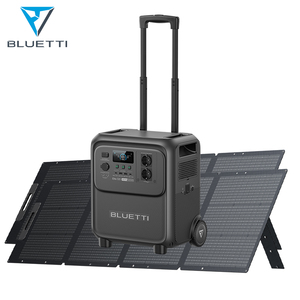
Engineered for seamless integration with off-grid PEM fuel cell stacks. Supports dual solar/hydrogen input charging (120V/230V, 1800W continuous output).
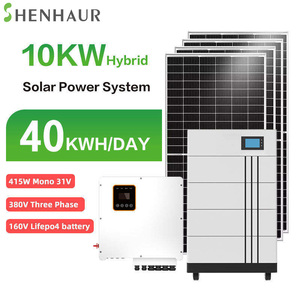
Commercial grade turn-key microgrid kit featuring integrated electrolyzer control circuits, LiFePO4 storage bank, and automatic backup integration.
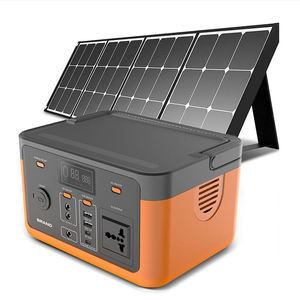
Flexible capacity multi-range generator tailored for telemetry, emergency back-up, and localized green hydrogen fuel-cell coupling.
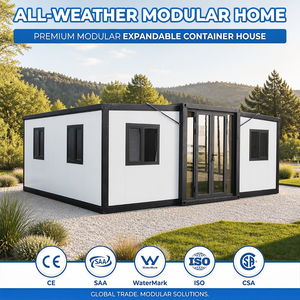
Turnkey 20ft modular shelter housing megawatt-scale PEM electrolyzers, gas compression loops, high-pressure storage tanks, and control electronics.
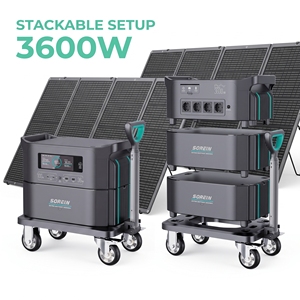
Compact heavy-duty integrated power bank with built-in inverter, intelligent energy management software, and automatic water electrolysis interface.
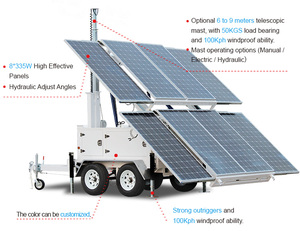
Rapidly deployable high-mast trailer unit combining folding solar arrays with clean hydrogen auxiliary power for mining, telecom, and disaster recovery.
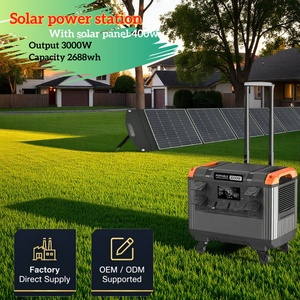
Custom industrial battery backup featuring fast-charge capability, ultra-low thermal dissipation, and precision voltage regulation for hydrogen production.
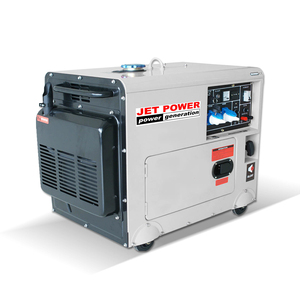
Ultra-quiet acoustic-enclosure generator designed to supply uninterruptible auxiliary power to hydrogen compression, chilling, and deionization units.
Combining British precision engineering (developed since 2009) with international high-volume factory capacity to deliver fault-tolerant hydrogen and hybrid microgrid power infrastructure.
Our production facilities follow strict ISO-9001 and ISO-14001 guidelines. Field technicians are Global Wind Organisation (GWO) certified to service offshore platforms and extreme remote environments worldwide.
We eliminate system failure risks by modeling site-specific wind, solar, and thermal conditions using ERA5 reanalysis dataset blended with Global Wind Atlas metrics for custom electrolyzer stack sizing.
From micro-stack PEM electrolyzers to megawatt-scale hybrid container setups, our in-house engineering team designs, fabricates, tests, and monitors every power unit for life-of-project autonomy.
Whether you require customized DC-bus voltages (24V, 48V, 360V, or 700V), ATEX explosion-proof gas containment, or custom telemetry software integrations (Modbus, CAN-bus, MQTT, Victron Cerbo GX), our factory production lines offer full white-label and OEM tailoring for utility developers, government contractors, and green hydrogen distributors.
As the global clean energy transition accelerates, Hydrogen Generators—specifically Proton Exchange Membrane (PEM) and Alkaline Electrolyzer Cell (AEC) units coupled with renewable energy systems—have emerged as the cornerstone of zero-emission, multi-day energy storage and remote industrial power supply. Transitioning away from carbon-intensive fossil fuel generators requires a deep understanding of electrochemical stack efficiency, gas purity standards, and hybrid system integration.
Selecting the optimal hydrogen generator technology requires evaluating dynamic response times, purity demands, capital expenditure (CAPEX), and operational energy requirements. Industrial buyers must evaluate three primary electrolyzer chemistries:
| Technology Parameter | PEM Electrolyzer | Alkaline Electrolyzer (AEC) | Solid Oxide (SOEC) |
|---|---|---|---|
| Operating Temperature | 50°C – 80°C | 60°C – 90°C | 650°C – 850°C |
| Electrical Efficiency (kWh/Nm³ H₂) | 4.3 – 4.8 kWh/Nm³ | 4.5 – 5.5 kWh/Nm³ | 3.2 – 3.8 kWh/Nm³ |
| Dynamic Ramp-Up Time | Sub-second to Seconds | 15 mins to 2 hours | Hours (Thermal constraints) |
| Raw H₂ Delivery Pressure | 30 to 80 bar | 1 to 30 bar | Ambient / Low bar |
| Gas Purity Output | > 99.999% (Fuel Cell Ready) | 99.5% – 99.9% (Requires Dryer) | > 99.9% |
| Stack Life Expectancy | 50,000 – 80,000 Hours | 60,000 – 100,000 Hours | 20,000 – 40,000 Hours |
Directly driving an electrolyzer stack from renewable sources introduces severe power harmonics and current instability. To mitigate stack degradation, high-reliability microgrid systems implement a triple-stage architectural approach:
Sourcing strategies among enterprise buyers, EPC contractors, and government energy agencies are undergoing rapid evolution. Key global procurement trends include:
Buyers are shifting away from on-site civil construction toward plug-and-play containerized modular units (20ft and 40ft ISO shelters). Pre-engineered systems containing the electrolyzer, water purification, gas compression, and electrical distribution panels dramatically reduce site commissioning costs by up to 65% and eliminate local assembly errors.
Modern commercial procurement specifications now strictly mandate remote IoT monitoring protocols (Modbus TCP, CANopen, MQTT). Real-time telemetry tracks membrane resistance, cell voltage stack uniformity, water conductivity ($\mu\text{S}/\text{cm}$), and ambient gas concentration levels. Automated alerts ensure preventative maintenance is executed before stack thermal runaway or membrane crossover occurs.
With international diesel fuel transport costs rising rapidly in remote locations, the Levelized Cost of Hydrogen (LCOH) produced on-site has reached economic parity with traditional fossil fuel logistics. Industrial operators are capitalizing on zero fuel transport risks, multi-decade asset lifespans, and carbon offset tax credits.
When requesting quotes from OEM suppliers or evaluating technical datasheets, procurement officers must verify compliance with international standards and technical criteria:
Expert answers to common engineering, logistical, and commercial inquiries from global buyers.
System capacity is custom-designed based on site load requirements. Standard hybrid units accommodate continuous electrical base loads ranging from 100W for telemetry stations up to 500kW+ for industrial compounds. By pairing monocrystalline solar, micro wind turbines, and LiFePO4 storage with an automated hydrogen fuel cell backup, systems achieve 100% continuous 24/7/365 uptime with multi-day autonomy even during extended dark winter storms.
Our heavy-duty industrial systems feature marine-grade 316 stainless steel enclosures, C5-M anti-corrosion coatings, and sealed IP65/IP67 electronics cabinets. For sub-zero polar environments or high-wind offshore platforms (tested to 27 m/s storm endurance), integrated thermal management and automated internal heating loops prevent deionized water lines from freezing while preserving electrolyzer stack operational temperature.
PEM electrolyzer stacks require ultra-pure deionized water with an electrical resistivity of 10 to 18.2 MΩ·cm to prevent membrane catalyst poisoning. All our factory containerized units and integrated generator systems include multi-stage water treatment systems, combining Reverse Osmosis (RO) membranes, active carbon pre-filters, and deionization resin cartridges to convert standard municipal or well water into feed-grade water automatically.
While lithium battery banks excel at short-term storage (hours to a few days), their cost scales linearly with capacity and they suffer from self-discharge over months. Compressed hydrogen gas storage allows infinite seasonal energy storage with zero self-discharge loss over years. Hydrogen provides significantly higher gravimetric energy density, enabling lightweight multi-week reserve storage for remote infrastructure without heavy battery footprint limitations.
Yes. As a primary manufacturer, we provide complete OEM/ODM engineering services. We customize system architecture to your exact specifications—including DC-bus working voltages, branded exterior paint and badging, bespoke container dimensions, custom inverter integrations (Victron, Schneider, SMA), ATEX certification levels, and custom SCADA / PLC software communication interfaces.
Standard power generation and storage units carry a 3 to 5-year comprehensive warranty, with electrolyzer stack life ratings up to 80,000 operational hours. Production lead times range from 2 to 4 weeks for standard units and 6 to 10 weeks for custom containerized plants. We ship worldwide via sea freight, air freight, or specialized heavy-gear overland logistics, adhering strictly to dangerous goods transport standards for gas equipment.
Speak directly with our senior power system application engineers. Submit your load profile, geographical coordinates, and custom OEM requirements for a complete sizing report and direct factory pricing within 24 hours.