Designed & manufactured in Herefordshire, UK — shipping worldwide Mon–Thu 9–5  |  Fri 9–4  |  +44 (0)1981 241668

OEM/ODM Power Unit Manufacturers & Factories

Industrial-Grade Off-Grid Energy Architecture, Customized Storage Solutions & Global Engineering Standards

Custom OEM/ODM Power Units & Mobile Energy Systems

Engineered for harsh environments, telecom off-grid sites, industrial emergency backup, and remote microgrids.
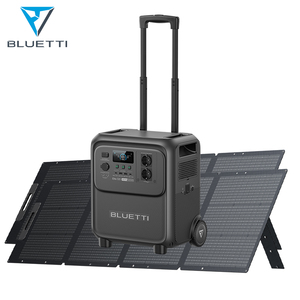
BLUETTI Large Capacity 3200 Wh Portable Power Station

BLUETTI 3200Wh / 1800W Portable Power Station & Solar Generator

  • Capacity: 3200Wh LiFePO4
  • Voltage: 120V / 230V Dual Output
  • Pure Sine Wave Inverter
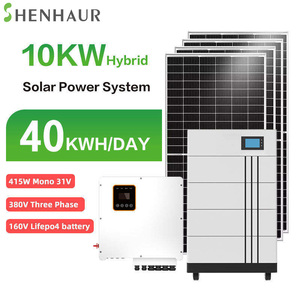
SHENHAUR Complete Kit Solar Energy System

SHENHAUR 5kW/10kW Off-Grid Hybrid Solar Power System Kit

  • Power Rating: 5kW - 10kW
  • High-voltage Battery Bank
  • Complete Residential/Commercial
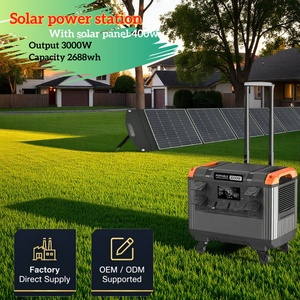
Multi-Capacity Solar Storage Generator

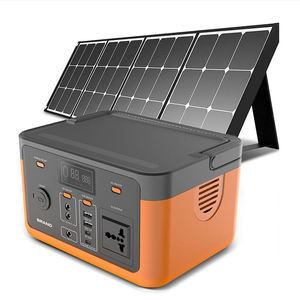
Modular 300W–3000W Outdoor LiFePO4 Solar Power Stations

  • Power Range: 300W to 3000W
  • Lifespan: 3500+ Cycles
  • OEM Chassis Customization
20ft Expandable Container House Power Hub

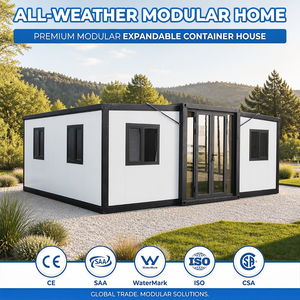
20ft Expandable Modular Container Micro-Grid Power Unit

  • Integrated Roof Solar & Storage
  • Rapid Deployment Housing
  • Heavy-Duty Off-Grid Standard
Sorein All-in-One Solar Generator

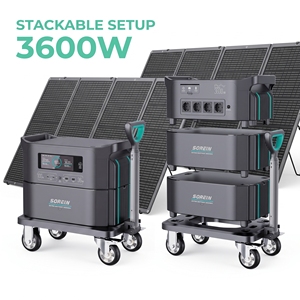
Sorein All-in-One 2KW–5KW Heavy Industrial Solar Power System

  • Inverter Capacity: Up to 5000W
  • Smart MPPT Controller
  • Industrial Metal Casing
Mobile Solar Power Trailer

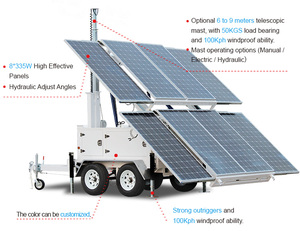
4KW/5KW Mobile High-Mast Solar Generator & Power Trailer

  • Mobile Towable Chassis
  • Telescopic High Mast Array
  • All-Weather IP65 Rating
OTHC-T30 OEM/ODM Customized Power Unit

OTHC-T30 OEM/ODM Fast-Charge UPS Portable Power Station

  • Zero Transfer Time (<10ms)
  • LiFePO4 Ultra-Fast Charge
  • Custom BMS Firmware Options
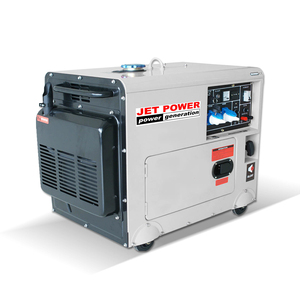
Silent Diesel Generator 10kva 10kw

10kVA/10kW Silent Diesel Generator Unit (Single & 3-Phase)

  • Output: 10kW Continuous
  • Soundproof Acoustic Canopy
  • Dual Voltage 230V/400V
15+
Years Engineering Expertise
72 km
Offshore Extreme Deployment
27 m/s
Survival Wind Speed Tested
100%
In-House QA & BMS Testing

Industrial OEM/ODM Power Unit Manufacturing Excellence

From custom printed circuit board assembly (PCBA) to marine-grade structural enclosures, we provide end-to-end original equipment manufacturing.

Custom BMS & Thermal Architecture

Our in-house firmware development team builds custom CANbus, RS485, and Modbus protocols into proprietary Battery Management Systems. Optimized for extreme temperature ranges from -40°C arctic telemetry sites to +60°C desert microgrids.

Marine-Grade Enclosures (IP66/IP67)

Every custom portable unit and trailer power station undergoes salt-spray corrosion testing. Built with powder-coated aluminum, stainless steel fasteners, and acoustic dampening for silent 10kVA generator operations.

Real-Time IoT Telemetry Integration

Optionally embed satellite or 5G telemetry modules. Monitor state-of-charge (SoC), individual cell voltages, fuel level reserves, and localized irradiance levels remotely with proactive automated diagnostic alerts.

OEM Power Unit Technical Capabilities Matrix

Comprehensive engineering comparison across our custom power station manufacturing tiers.

OEM Unit Category Typical Capacity Range Chemistry / Generator Protection Rating Primary Industrial Application
Portable Power Stations 300Wh - 3200Wh LiFePO4 (LFP) IP54 - IP65 Case Options Mobile Telemetry, Field Research, Emergency Response
All-In-One Solar Generators 2kW - 5kW Continuous Prismatic LiFePO4 + MPPT IP65 Powder-Coated Steel Off-Grid Residential, Telecom Repeater Sites
High-Mast Power Trailers 4kW - 10kW Peak Hybrid Solar + LFP Storage NEMA 4X / IP66 Towable Construction Compounds, Event Infrastructure
Hybrid Mobile Container Hubs 10kW - 100kW+ Custom Solar + Wind + Fuel Cell ISO Shipping Container Standard Offshore Wind Farms, Remote Mining, Modular Camps
Silent Diesel Backup Units 10kVA - 50kVA Prime Direct Injection Water-Cooled Acoustic Weatherproof Canopy Safety-Critical Industrial Backup, Grid-Tied Failover

1. Global Industry Development Trends in Power Unit Manufacturing

The global industrial power landscape is undergoing a radical paradigm shift. Energy resilience requirements, coupled with aggressive decarbonization mandates across infrastructure projects, have transformed power unit manufacturing from standard legacy engine assembly to complex, multi-source hybrid micro-grid engineering.

1.1 Transition from Fossil Gensets to High-Density LiFePO4 Architectures

Historically, remote industrial power relied exclusively on diesel-fueled generator sets. However, high maintenance overheads, fuel logistics cost, and environmental regulations have accelerated the adoption of Lithium Iron Phosphate (LiFePO4) chemistry in OEM power unit design. LiFePO4 batteries deliver over 3,500 to 6,000 full charge-discharge cycles while maintaining structural stability under thermal stress, eliminating the phenomenon of thermal runaway common in older nickel-manganese-cobalt (NMC) configurations.

1.2 Grid-Forming Smart Inverter Technology

Modern power units are no longer passive power supplies. OEM manufacturers are incorporating grid-forming inverter technology capable of establishing stable voltage and frequency baselines in completely disconnected off-grid environments. These intelligent units seamlessly aggregate power inputs from variable renewable generators—such as monocrystalline solar arrays and vertical/horizontal wind turbines—while maintaining zero-transfer-time Uninterruptible Power Supply (UPS) capabilities for sensitive telecommunications and telemetry hardware.

1.3 Modular "Plug-and-Play" Architecture

Global procurement standards increasingly require modularity. Factories are now designing standardized, hot-swappable power modules that allow site operators to scale storage capacity (Wh) and continuous inverter output (W) without replacing the underlying control infrastructure. This modular design lowers the initial Levelized Cost of Energy (LCOE) and simplifies field maintenance for non-specialist technician crews.

2. Strategic Future Procurement Trends for B2B Sourcing Directors

Sourcing directors and utility engineers must evaluate long-term Total Cost of Ownership (TCO) when selecting OEM/ODM manufacturing partners. Procurement patterns highlight key areas that procurement teams must factor into RFQs (Request for Quotations) over the coming decade.

2.1 Mandated Customization of Firmware and Communication Protocols

Off-the-shelf consumer power stations are inadequate for enterprise infrastructure. B2B buyers now demand full OEM customization of the internal Battery Management System (BMS) software. This includes custom State-of-Charge (SoC) parameters, automated dry-contact relay triggers for auxiliary generator auto-start, and native integration into centralized enterprise software via SNMP, Modbus RTU, or MQTT protocols.

2.2 Severe Environmental Compliance and Certification

As off-grid systems are deployed in more hostile locations—such as offshore wind platforms in the North Sea, alpine telecommunications towers, and coastal radar systems—procurement specifications demand verified survival metrics:

  • Structural Rigidity: Dynamic wind survival ratings exceeding 27 m/s (60 mph) for trailer-mounted arrays.
  • Corrosion Resistance: C5-M marine-grade anti-corrosion powder coatings and 316-grade stainless steel hardware.
  • Logistical Safety: Full UN 38.3 transport certification for lithium batteries, allowing global air and ocean freight compliance.

2.3 Hybridization: Solar, Wind, and Backup Fuel Cells

Procurement teams are moving away from single-source energy systems. Deep-winter solar yield drop-offs mean solar-only off-grid platforms require cost-prohibitive battery sizing. The trend points toward integrated hybrid platforms combining high-efficiency solar modules, small wind turbines (horizontal/vertical axis), and automatic methanol or hydrogen fuel cell backups for 99.999% uptime guarantees.

3. Enterprise Manufacturing Strengths & Quality Control Protocol

Our manufacturing complex represents the benchmark for original equipment and custom design manufacturing (OEM/ODM). We bridge the gap between initial power auditing and mass production of enterprise power units.

3.1 Comprehensive Engineering Process: From Assessment to Field Deployment

Every custom ODM project adheres to a strict four-phase engineering framework:

  • Phase 1 - Load Profiling & Solar/Wind Resource Modeling: We calculate exact hourly duty cycles and simulate localized solar irradiance and wind data using ERA5 reanalysis datasets blended with the Global Wind Atlas.
  • Phase 2 - Headroom Electrical Design: Inverters and battery autonomy (3 to 7 days baseline) are sized for the worst-performing solar month of the year, preventing mid-winter system blackouts.
  • Phase 3 - Precision Fabrication: In-house CNC laser cutting, automated surface-mount technology (SMT) for PCBA control boards, and robot-welded enclosures ensure sub-millimeter tolerances.
  • Phase 4 - Environmental Stress Testing: 100% of manufactured power units undergo full-load burn-in tests, thermal imaging analysis, and high-voltage dielectric isolation testing prior to export packing.

3.2 Global Servicing & GWO-Certified Engineering Support

Unlike standard trading companies, our support organization consists of qualified electrical engineers and Global Wind Organisation (GWO) certified offshore technicians. This technical capability ensures that complex industrial systems—deployed on remote offshore platforms or critical national infrastructure—remain backed by factory expertise throughout their operational lifecycle.

Frequently Asked Questions for Sourcing & Engineering Teams

How do OEM/ODM power units handle extreme cold weather charging?
Standard LiFePO4 cells cannot be safely charged below 0°C without risk of lithium plating and permanent capacity degradation. Our custom industrial power units incorporate internal thermistor-controlled silicone heating blankets or specialized cold-temperature cell formulations. The smart BMS automatically diverts solar/generator energy to heat the battery compartment to +5°C before engaging the charging circuit.
What is the minimum order quantity (MOQ) for custom OEM chassis and BMS branding?
We support low-volume high-mix engineering orders for specialized industrial projects (MOQ starting at 10 units for heavy-duty systems or mobile trailers). Standard portable power station customization (custom silk-screen branding, colorways, packaging, and basic firmware adjustments) typically carries a baseline MOQ of 50 to 100 units depending on chassis specifications.
How is system autonomy calculated for critical telemetry applications?
Autonomy represents the number of days a power unit runs continuous loads without solar or wind input. We calculate required battery capacity using the formula: Total Daily Load (Wh) × Required Autonomy Days × Design Safety Factor (typically 1.25 to prevent deep discharge stress). For critical infrastructure, 5 to 7 days of autonomy is standard practice.
What certifications do your power units carry for international distribution?
Our products conform to global safety standards including CE, RoHS, FCC, UL1741 (for grid-tied and hybrid inverters), UL1973/UL9540A (for lithium battery packs), IEC 62133, and UN 38.3 dangerous goods transport documentation for safe ocean and air logistics.
Can your mobile solar power trailers be integrated with third-party cameras or communications gear?
Yes. Our 4KW/5KW solar trailers feature modular internal DIN-rail power distribution blocks supplying 12V DC, 24V DC, 48V DC, and 120V/230V AC pure sine wave power. Telescopic masts include pre-run weatherized Cat6a Ethernet cabling and multi-pin aviation connectors to mount PTZ cameras, Starlink dishes, cellular nodes, or environmental sensors directly.

Require Custom Power Unit Engineering or OEM Manufacturing?

Consult directly with our factory design team. Submit your load profile, physical footprint limits, or target specs for a complete OEM quotation and CAD/BMS feasibility assessment.