Designed & manufactured in Herefordshire, UK — shipping worldwide Mon–Thu 9–5 | Fri 9–4 | +44 (0)1981 241668

Explore our heavy-duty industrial enclosures, off-grid battery power storage units, and mobile generator stations built for extreme environmental durability.
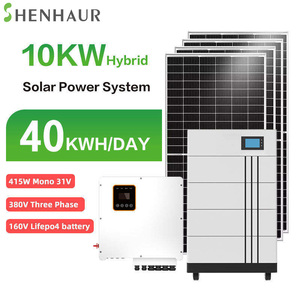
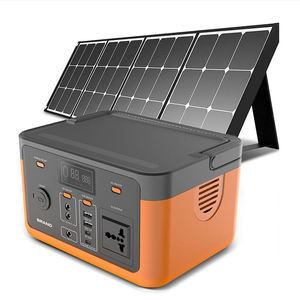
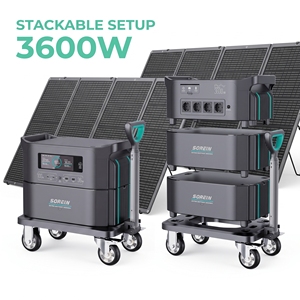
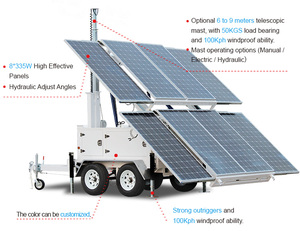
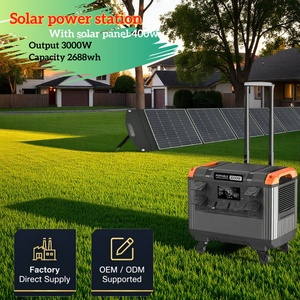
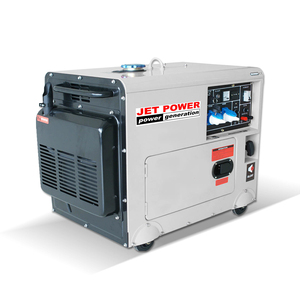
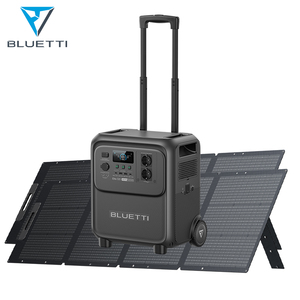
In modern industrial, off-grid power, telecommunications, and heavy civil engineering applications, the structural envelope surrounding electronic control gear, inverter bridges, LiFePO4 energy storage arrays, and diesel generator units represents the primary line of defense against systemic operational failure. As global deployments expand into aggressive coastal environments, high-altitude installations, and high-dust mining sites, procurement managers must move beyond standard off-the-shelf sheet metal boxes to custom-engineered OEM IP65 enclosures tailored specifically for thermal, mechanical, and ingress challenges.
Technical Information Gain Insight: The IEC 60529 standard defines IP65 as total protection against dust ingress (dust-tight) and protection against low-pressure water jets from any direction. However, true industrial reliability requires integrating thermal management, mechanical shock mitigation (IK10 rating), and chemical passivating coatings without compromising gasketing elasticity under thermal cycling.
Achieving a reliable IP65 rating over a 15-to-25-year service lifecycle requires precise control over gasket compression deflection, continuous seam welding, and structural enclosure rigidity. Standard sponge rubber gaskets degrade under prolonged ultraviolet (UV) exposure and extreme thermal expansion cycles (-40°C to +85°C). Premier OEM factories utilize automated Formed-In-Place Polyurethane Gasket (FIPG) or continuous liquid silicone dispensing systems.
FIPG technology applies a seamless, robotically controlled polyurethane bead directly onto the CNC-machined enclosure groove. Upon room-temperature vulcanization, this forms a hydrophobic, micro-cellular seal capable of maintaining constant rebound elasticity even after repeated compression cycles during maintenance access. For offshore or C5-M marine installations, fluorosilicone or EPDM gaskets are selected to withstand exposure to salt spray, airborne hydrocarbons, and aggressive ambient chemicals.
A primary engineering challenge when sealing an enclosure to IP65 dust and water jet standards is managing internal heat dissipation. Sealed power electronics—such as 10kW hybrid solar inverters, high-discharge LiFePO4 battery management systems (BMS), or diesel generator control modules—generate significant heat. Sealed metallic enclosures lack natural convection air exchange, leading to thermal derating or premature component failure if unmitigated.
Custom OEM manufacturers utilize three primary engineering approaches for thermal regulation in IP65 enclosures:
Custom enclosure factories utilize diverse raw material profiles depending on structural requirements and field locations:
| Substrate Material | Mechanical Strength (Tensile) | Corrosion Resistance | Primary Application Profile |
|---|---|---|---|
| 316L Stainless Steel | 515 - 620 MPa | Extreme (C5-M Marine Class) | Offshore wind platforms, coastal telecom, chemical plants |
| AL5052-H32 Aluminum | 210 - 260 MPa | High (Self-passivating oxide) | Portable power stations, mobile solar trailers, aerospace IoT |
| Cold-Rolled Carbon Steel (SPCC) | 270 - 410 MPa | Moderate (Requires powder coat) | Standard indoor/outdoor power cabinets, generator housing |
| Hot-Dip Galvanized (HDG) Steel | 400 - 550 MPa | Very High (Sacrificial Zinc Layer) | Heavy civil infrastructure, rail telemetry containment |
Delivering end-to-end customized metal fabrication, electrical integration, and stringent quality validation from raw sheet metal to field-ready IP65 systems.
Equipped with high-precision fiber laser cutters (0.01mm tolerance), 230-ton electro-hydraulic CNC press brakes, and automated seam-welding robots ensuring liquid-tight structural integrity across stainless steel and aluminum chassis.
Engineered with Herefordshire, UK design heritage since 2009. We integrate NASA ERA5 meteorological reanalysis data and Global Wind Atlas modeling to size hybrid solar/wind enclosure energy yields for any remote site on Earth.
Multi-stage automated surface pretreatments including zinc phosphate conversion followed by thermocured architectural powder coatings tested to 1,500+ hours of continuous salt spray exposure under ASTM B117 testing standards.
Full Turnkey ODM/OEM capability: We do not merely manufacture empty metal boxes. We integrate LiFePO4 battery modules, BMS circuits, pure sine wave inverters, MPPT solar controllers, and remote telemetry modules inside custom enclosures.
Our engineering support team holds Global Wind Organisation (GWO) offshore certification. The same engineers involved in your custom OEM housing design provide technical consultation for harsh offshore, high-altitude, and desert operations.
From prototype fabrication runs of 10 units to mass manufacturing batches of 10,000+ units, we accommodate custom cutout punchings, DIN rail layouts, transparent polycarbonate view ports, and custom brand color schemes.
As global infrastructure accelerates toward decentralization, renewable energy integration, and autonomous edge telemetry, the procurement requirements for custom OEM IP65 enclosures are evolving rapidly. Procurement officers and B2B specifiers must align their purchasing strategies with four dominant technology trends driving the market through 2030:
With the widespread adoption of high-capacity Lithium Iron Phosphate (LiFePO4) energy storage systems across portable power stations, hybrid solar generators, and off-grid telecom stations, enclosure design must prioritize thermal runaway mitigation. Future IP65 enclosures are increasingly specified with active aerosol fire suppression systems, thermal isolation barrier partitions, and directional gas venting valves designed to release off-gasses safely during high-C-rate discharge events without compromising IP65 moisture protection during standard standby operation.
Static protective housings are transitioning into intelligent edge-monitoring nodes. Modern OEM IP65 enclosures are equipped with integrated internal humidity micro-sensors, thermal gradient probes, and seal pressure transducers. Utilizing low-power NB-IoT or satellite communication links (such as Starlink integration), these sensors transmit real-time diagnostic alerts to asset managers if internal relative humidity exceeds 65% or if gasket degradation causes a pressure drop—preventing catastrophic electronic short-circuits long before physical inspection occurs.
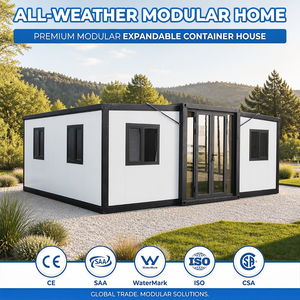
Rapid field deployment requirements in disaster recovery, remote construction, and temporary defense camps have spurred demand for expandable containerized housing and mobile solar trailers. Rather than installing individual small enclosures on-site, buyers are procuring 20ft modular prefabricated expandable houses and heavy-duty high-mast solar generator trailers. These large-scale IP65 enclosures serve as all-in-one power, office, and telemetry centers that can be towed or airlifted and operational within 30 minutes of arrival.
Global Environmental, Social, and Governance (ESG) mandates are transforming factory manufacturing processes. OEM buyers now require life-cycle environmental product declarations (EPDs) for metallic housings. Advanced factories are adopting 100% recycled aluminum alloys, eco-friendly closed-loop acid etching wash systems, and zero-VOC solventless powder coating lines, reducing the embedded carbon footprint of heavy industrial enclosures by up to 35% without sacrificing C5-M marine corrosion performance.
Technical guidance and commercial answers for engineering procurement managers, system integrators, and OEM distributors.
Under IEC standard 60529, the first digit "6" represents complete dust tightness (no dust ingress under vacuum testing). The second digit represents liquid protection: IP65 protects against low-pressure water jets (6.3 mm nozzle, 12.5 L/min at 30 kPa) from any angle; IP66 protects against high-pressure powerful water jets (12.5 mm nozzle, 100 L/min at 100 kPa); IP67 protects against temporary continuous water immersion at depths up to 1 meter for 30 minutes. For outdoor solar and generator installations exposed to heavy rain and washdowns, IP65 provides robust protection while allowing cost-effective dynamic thermal venting.
We utilize a combination of thermal passive dissipation (calculating metallic surface area radiation), internal aluminum heat sinks bonded to the enclosure chassis, air-to-air closed-loop heat exchangers, or IP65 door-mounted industrial air conditioners. Additionally, hydrophobic expanded PTFE membrane vents are installed to equalize thermal pressure spikes without allowing moisture or dust ingress.
Our automated CNC laser cutting and turret punch presses accommodate any custom cutout layout for waterproof glands (M12 to M63), heavy-duty industrial HARTING connectors, transparent polycarbonate display windows, DIN rail mounting plates, internal battery racking, and external heavy-duty mounting flanges or pole-clamp brackets.
For custom engineering projects, standard 3D CAD modeling and thermal analysis take 3–5 business days. Rapid physical prototyping generally takes 10–14 days. Once prototypes pass IP65 pressure testing and customer sign-off, mass production lead times typically range from 20 to 30 days depending on material specifications and coating requirements.
Yes, we operate dedicated indoor ESD-safe electronics integration lines. We can assemble customer-supplied PCBs or full Turnkey ODM power solutions including LiFePO4 battery banks, MPPT charge controllers, high-frequency inverters, wiring harnesses, breaker panels, and remote GSM/Starlink telemetry monitoring systems, delivering fully tested end-products ready for field installation.
Our surface finishes undergo rigorous Quality Assurance batch testing, including ASTM B117 salt spray chamber testing (1,500+ hours), cross-hatch adhesion testing (ISO 2409 Class 0), impact resistance testing, and paint film thickness verification via digital magnetic gauges to ensure compliance with harsh coastal and offshore operational requirements.
Connect directly with our engineering and procurement team. Submit your technical drawings, load requirements, or site specifications to receive a comprehensive engineering assessment and catalog.