Designed & manufactured in Herefordshire, UK — shipping worldwide Mon–Thu 9–5 | Fri 9–4 | +44 (0)1981 241668

Explore our direct-factory customized deep-cycle battery banks, high-capacity portable power stations, and turnkey hybrid renewable generators engineered for extreme durability and mission-critical deployment worldwide.
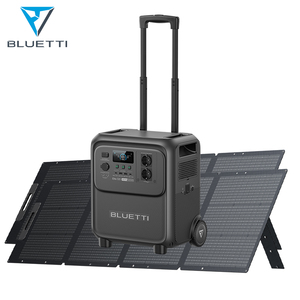
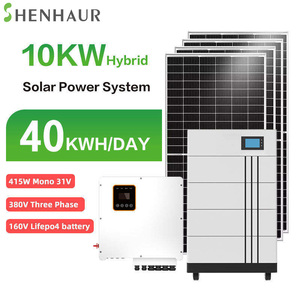
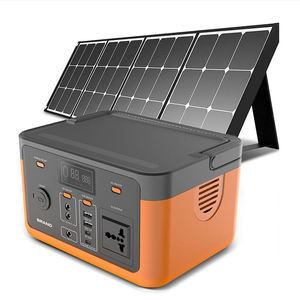
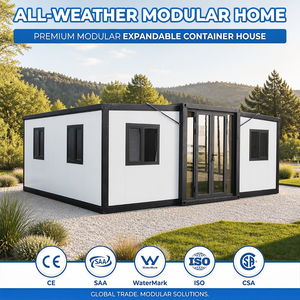
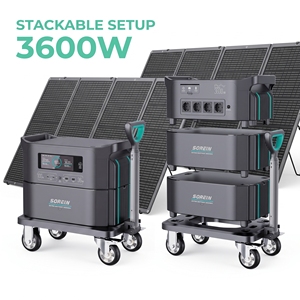
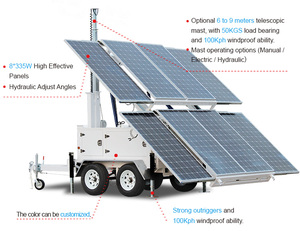
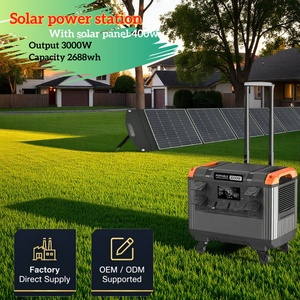
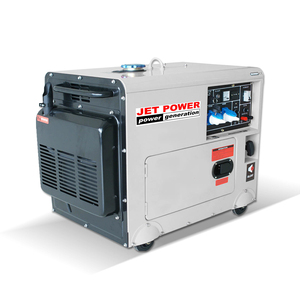
In the rapidly evolving global energy sector, purchasing off-grid energy storage systems is no longer a transactional commodity purchase—it is a critical engineering decision. Founded in Herefordshire, United Kingdom in 2009 (Operating under British Manufacturing Standards, Co. No. 06984787), our manufacturing facility has spearheaded the development of extreme-environment power systems operating reliably across all seven continents.
We partner directly with leading battery cell foundries (CATL, EVE, BYD) to integrate Tier-1 A-Grade Lithium Iron Phosphate chemistry. Featuring internal thermal balancing, ceramic separators, and multi-stage overcurrent fuses, our OEM battery packs deliver unmatched calendar life exceeding 15 years.
Engineered to withstand harsh environments—from marine offshore platforms operating in the German North Sea to remote desert telemetry hubs. Enclosures are IP65/IP67 rated, coated with marine-grade polyurethane finish, and built to survive sustained gale-force winds exceeding 27 m/s (60 mph).
Our in-house firmware development team customizes Battery Management Systems (BMS) to natively support CANbus, RS485, Modbus RTU, and SNMP protocols. Seamlessly connect with top-tier industrial hybrid inverters including Victron Energy, SMA, Schneider Electric, and Growatt.
| Technical Parameter | Standard Off-the-Shelf Battery | Custom OEM Industrial Deep Cycle Pack | Engineering Benefit |
|---|---|---|---|
| Cell Chemistry & Sorting | Mixed Grade B / Commercial LFP | Tier-1 Automotive Grade A LiFePO4 (<0.5mΩ Delta) | Prevents premature capacity fade; extends pack lifespan by 200%. |
| Cycle Life (80% DoD) | 2,000 – 2,500 Cycles | 6,000 – 8,000 Cycles (@ 25°C 0.5C Charge/Discharge) | Dramatically reduces Total Cost of Ownership (TCO) over 10+ years. |
| Operating Temperature Envelope | -10°C to +45°C (Unheated) | -40°C to +65°C (Automated Internal PTFE PTC Heating) | Prevents lithium plating; guarantees sub-zero charge capability. |
| Communication Architecture | Closed Proprietary Protocol | Open Architecture RS485 / CANbus / Modbus / MQTT | Allows full SCADA and IoT cloud integration for remote asset telemetry. |
| Compliance & Certifications | Basic CE / UN38.3 | UL1973, IEC62619, CE, UN38.3, DNV-GL Offshore Ready | Eliminates regulatory barriers for municipal and utility B2B contracts. |
As global decarbonization mandates accelerate, B2B buyers and EPC contractors are altering their purchasing strategies. Understanding these four strategic procurement trends is critical for procurement heads, system integrators, and OEM specifiers looking to build future-proof infrastructure.
While flooded lead-acid and AGM batteries dominated legacy telecommunications backup, the shift toward Lithium Iron Phosphate (LiFePO4) is now mandatory. Furthermore, next-generation procurement specs are incorporating Sodium-Ion (Na-Ion) hybrid banks for extreme low-temperature sites (-40°C) where traditional lithium ion suffers charging degradation.
Modern procurement guidelines reject "dumb" battery banks. Enterprise buyers require edge-computing integrated BMS hardware (such as Victron Cerbo GX or custom Linux-based gateways) capable of transmitting State-of-Charge (SoC), State-of-Health (SoH), cell temperature deltas, and remaining autonomy hours directly to cloud dashboards via IoT satellite or cellular networks.
For high-capacity applications (50kWh to 2MWh), buyers are stepping away from localized component assembly on-site. The industry standard has swung toward Mobile Energy Storage Systems (MESS) and prefabricated 20ft/40ft container units pre-tested and certified prior to shipping, cutting field commissioning labor by over 80%.
Due to EU Battery Regulation compliance (EU 2023/1542) and North American ESG reporting frameworks, OEM suppliers must now provide verifiable supply chain tracking—from cobalt-free cathode sourcing to cell carbon intensity scores (kg CO2e/kWh) and end-of-life recycling pathways.
The off-grid and industrial battery engineering landscape is undergoing rapid innovation driven by smart grids, autonomous field operations, and severe weather events. Enterprise buyers should align their product roadmaps with the following engineering shifts:
Future OEM deep-cycle power stations are evolving beyond static backup units. Next-generation systems incorporate ultra-fast bidirectional DC-DC conversion, enabling remote battery trailers and power stations to function as active Microgrid Stabilizers capable of feeding energy back into local emergency grids within milliseconds.
Relying on solar PV alone creates severe winter vulnerability in northern and high-latitude installations. The industry standard is consolidating around tri-brid systems: micro wind turbines (such as vertical axis and horizontal low cut-in turbines), high-efficiency solar arrays, and direct methanol or hydrogen fuel cell backstop generators for continuous 100% uptime.
As remote asset inspection transitions to unmanned aerial vehicles (UAVs), off-grid power systems are being integrated with automated drone charging nests. These units demand pulse-discharge protection, thermal buffer management, and automated power scheduling to support heavy surge currents during automated airframe recharge cycles.
Direct technical answers to common questions asked by industrial buyers, OEM product managers, and system integrators during the custom battery manufacturing evaluation process.
Factory-level thermal runaway mitigation relies on a three-tier design hierarchy: First, cell chemistry choice—Lithium Iron Phosphate (LiFePO4) exhibits a high thermal runaway threshold of 270°C compared to 150°C for NMC. Second, physical isolation—cells are housed in flame-retardant polycarbonate or aluminum sleeves separated by aerogel insulation sheets. Third, active BMS protection—monitoring per-cell voltage and multi-point temperature sensors to disconnect load paths prior to thermal event propagation.
The principal challenge lies in baud rate mismatch and proprietary CANbus register mapping. Generic BMS boards often transmit non-standard parameter headers for Charge Voltage Limit (CVL) and Charge Current Limit (CCL). Our OEM factory overcomes this by flashing custom firmware routines tailored to specific inverter communication standards (e.g., Victron CAN-bus V2.0, Pylontech protocol emulation, or SMA SunSpec), ensuring plug-and-play handshakes without telemetry dropouts.
Site autonomy sizing relies on historical solar insolation and wind velocity databases (such as ERA5 reanalysis data blended with the Global Wind Atlas). Formulaically: Required Autonomy (Wh) = Continuous Load (W) × 24 hours × Autonomy Days ÷ Maximum Allowable DoD (0.80) ÷ Temperature Compensation Factor. For critical telecoms where winter sun drops below 1.5 peak sun hours per day, standard specifications mandate 5 to 7 days of continuous battery autonomy or a backup methanol fuel cell integration.
For global compliance, battery packs must possess UN38.3 (Transport Safety Testing) along with the MSDS and 1.2m drop test report for air/sea freight. For the European market, CE, RoHS, and compliance with the EU Battery Regulation (IEC 62619 for industrial storage safety) are required. For North America, UL 1973 (Stationary Battery Safety) and UL 9540A (Thermal Runaway Fire Testing) are essential for commercial installation approval.
To operate down to -40°C, OEM battery enclosures integrate high-density closed-cell insulation, silicone thermal pads, and automated internal heating films (PTC thermistors powered by incoming solar power before charging begins). Furthermore, low-temperature cell chemistry variants or hybrid sodium-ion chemistry can be specified to maintain round-trip efficiency without freezing electrolytic medium.
Our OEM deep-cycle power banks and hybrid off-grid systems are tested in real-world extreme environments where maintenance access is difficult and downtime leads to operational losses.
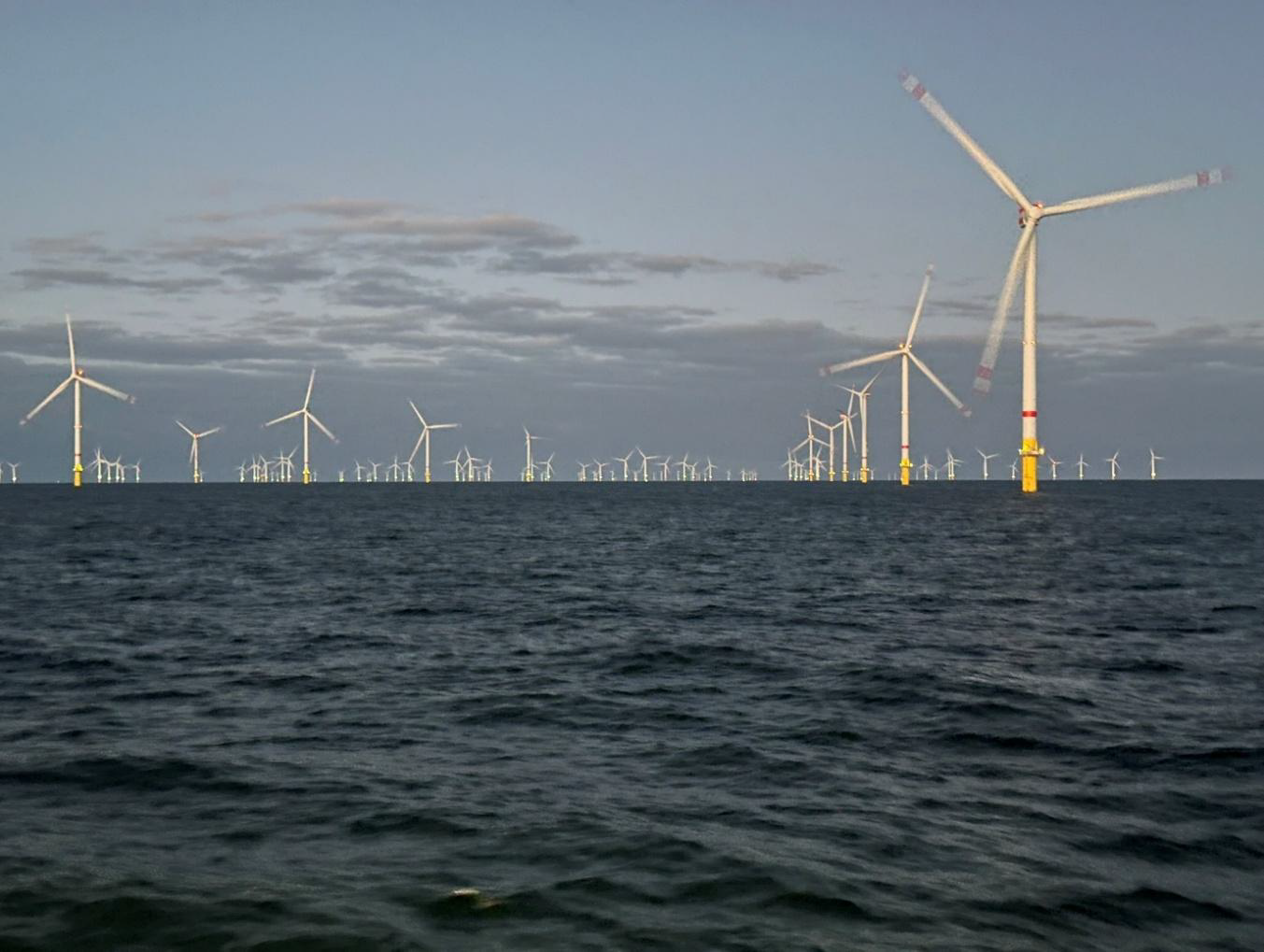
Deployment Challenge: Deliver uninterrupted continuous 125W power for safety-critical radio, aviation warning lights, and Starlink satellite telemetry 72 km offshore in high-salinity gale conditions.
OEM Solution: Dual hybrid systems featuring three LE-v150 storm turbines, 1.64kWp solar PV, 1,600Ah AGM/LiFePO4 battery bank, and EFOY methanol backstop generator.
Outcome: 100% continuous uptime achieved across 36 consecutive winter storm months with zero unscheduled maintenance trips.
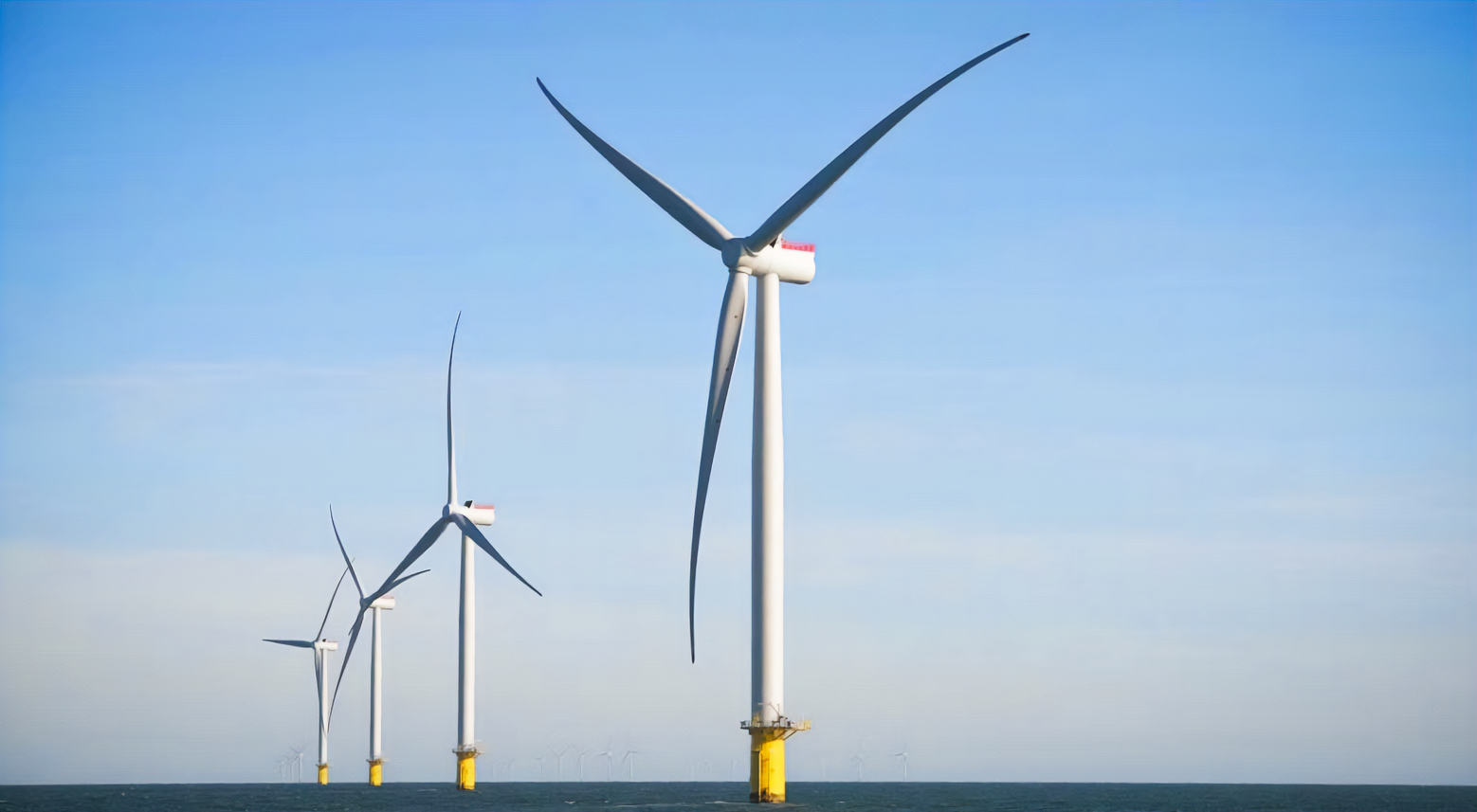
Deployment Challenge: Replace expensive diesel generators powering remote wind resource measurement equipment in peat bogs with zero road access.
OEM Solution: Portable trailered off-grid solar-wind power system with ultrasonic fuel sensors and Victron Cerbo GX remote telemetry.
Outcome: Cut site refueling visits by 92% and reduced annual carbon footprint by 4.2 metric tons per installation site.
Partner with a proven OEM manufacturer. Connect with our senior application engineers to review your load requirements, BMS protocol specifications, and factory production lead times.