Designed & manufactured in Herefordshire, UK — shipping worldwide Mon–Thu 9–5 | Fri 9–4 | +44 (0)1981 241668

Explore our CE-certified wind generators, mobile power units, hybrid solar systems, and LiFePO4 storage solutions designed for continuous, mission-critical deployment.
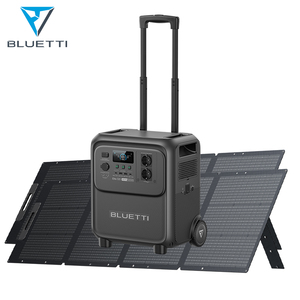
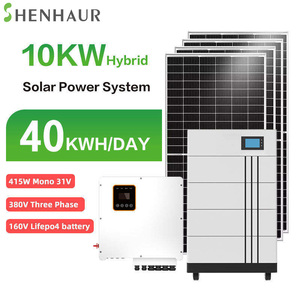
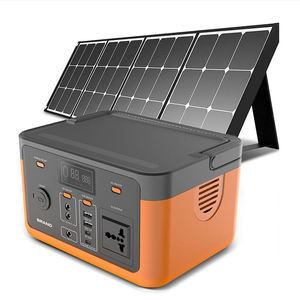
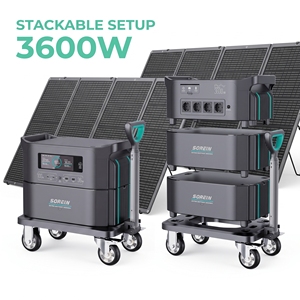
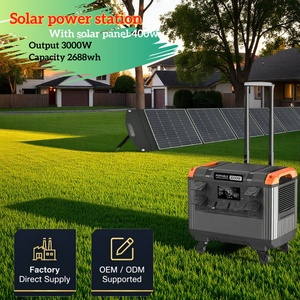
In an era defined by global energy transitions, decentralized infrastructure demands power solutions that operate far beyond grid edges without compromise. As a premier CE certified wind generator manufacturer and exporter, our engineering core—founded upon rigorous UK manufacturing legacies and expanded to meet global enterprise requirements—addresses the most grueling atmospheric conditions on Earth. From offshore wind measurement platforms in the North Sea to high-altitude telemetry relay stations across Latin America, small wind turbines and hybrid energy systems form the backbone of modern remote power infrastructure.
Procuring utility-grade wind generators requires an understanding of mechanical survivability, aerodynamic efficiency, electromagnetic compatibility (EMC), and low-voltage electrical safety. CE marking is not merely a regulatory stamp; it represents compliance with stringent European Union Directives, including the Machinery Directive 2006/42/EC, Low Voltage Directive (LVD) 2014/35/EU, and Electromagnetic Compatibility Directive 2014/30/EU. This paper offers procurement managers, EPC contractors, and systems integrators a comprehensive technical framework for evaluating, specifying, and integrating industrial wind generation assets.
Custom blade pitch profiles and ultra-low cogging torque permanent magnet alternators enable energy harvesting at wind speeds as low as 2.0 m/s (4.4 mph).
Hard-anodized aluminum housings, 316 stainless steel hardware, and dual-sealed ceramic bearings withstand salt fog testing under ASTM B117 standards.
Microprocessor-controlled Maximum Power Point Tracking (MPPT) optimizes charging algorithms dynamically based on real-time rotor RPM and load curves.
Selecting between Horizontal Axis Wind Turbines (HAWT) and Vertical Axis Wind Turbines (VAWT) involves evaluating aerodynamic turbulence, directional wind stability, structural loading, and maintenance accessibility. Our engineering matrix guides multi-site deployments based on empirical site data.
Key Insight for System Designers: In highly turbulent, multi-directional wind environments—such as urban rooftops or forested telecom towers—vertical axis designs eliminate yaw lag, capturing energy from omnidirectional gusts instantly.
Conversely, horizontal axis configurations deliver higher aerodynamic efficiency coefficients (Cp up to 0.45) in open marine, coastal, and plain environments where prevailing laminar wind streams dominate. Both configurations exported by our facility undergo balance testing to ISO 1940 Grade G2.5 standards to minimize dynamic vibration transfer to mounting towers.
| Parameter | HAWT Series | VAWT Series |
|---|---|---|
| Standard Efficiency (Cp) | 0.40 - 0.46 | 0.28 - 0.35 |
| Cut-In Wind Speed | 2.5 m/s | 1.8 m/s |
| Survival Wind Limit | 60 m/s (134 mph) | 65 m/s (145 mph) |
| Yaw Mechanism | Passive Tail / Electronic | Omnidirectional (None) |
| CE Directives Met | LVD, EMC, Machinery | LVD, EMC, Machinery |
As commercial buyers, municipal entities, and global utility operators evaluate off-grid generation options, five definitive trends are reshaping procurement standards across international export markets:
Standalone solar arrays face inherent seasonal vulnerabilities, particularly during high-latitude winter months when solar irradiance drops up to 80%. Conversely, winter storms typically produce elevated wind resources. Global procurement specifications now heavily favor integrated hybrid controllers capable of managing simultaneous DC input from solar photovoltaic strings and 3-phase AC wind generator rectifiers. This hybrid continuous-load architecture guarantees 99.99% system autonomy while extending overall LiFePO4 battery cycle life.
Legacy lead-acid and AGM battery storage are rapidly being phased out in favor of high-density Lithium Iron Phosphate (LiFePO4) chemistry. Modern wind power installations incorporate active cell balancing, low-temperature heating elements for arctic operation, and direct CAN-bus/RS485 communication protocols with the wind generator MPPT controller. This integration allows dynamic charge current throttling based on cell temperature, state of charge (SoC), and instantaneous rotor voltage.
Enterprise clients no longer accept dark off-grid nodes. Modern wind generator procurement mandates integrated IoT telemetry modules (4G/5G, NB-IoT, or satellite links like Starlink). Key performance indicators—including rotor vibration spectra, coil temperature, dump load dissipation frequency, current harvest curves, and ambient meteorological data—are monitored in real time. Machine learning algorithms analyze rotor imbalance trends to schedule preventive bearing maintenance before field failures occur.
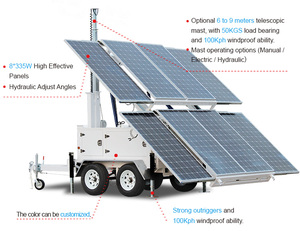
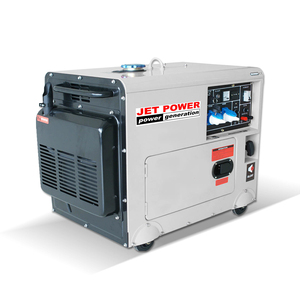
From disaster response teams to construction sites and remote mining exploration camps, the market demands plug-and-play energy mobility. Hybrid mobile trailers equipped with folding vertical-axis wind turbines, telescopic high-mast lighting, integrated LiFePO4 banks, and secondary diesel generator auto-start backup represent the fastest-growing sector in commercial export requests.
Built upon British engineering heritage and rigorous ISO 9001 certified production lines, our manufacturing facility delivers end-to-end reliability for critical deployments.
Site-specific wind and solar resource modeling using ERA5 reanalysis data blended with Global Wind Atlas metrics for accurate capacity factor forecasting.
Aerospace-grade CNC machining of rotor hubs, dynamic balancing of glass-reinforced nylon/carbon blades, and vacuum pressure impregnation (VPI) of copper windings.
Full-spectrum electrical safety, thermal overload breakdown tests, and high-velocity wind tunnel testing to verify aerodynamic braking performance.
Custom shock-proof wooden crating, UN38.3 battery export packaging compliance, and full customs documentation support for international freight.
Offshore oil platforms, coastal weather monitoring posts, and high-altitude mountain passes expose electrical generation machinery to relentless stress. Uncertified or consumer-grade wind turbines frequently suffer from coil burnout, blade fatigue failure, bearing freeze-ups, or controller runaway in extreme storms. Our industrial-tier wind turbine generators incorporate multiple redundant safety systems:
Clear, authoritative answers to essential technical, regulatory, and commercial inquiries for global distributors and project managers.
Whether you require a single off-grid power solution or bulk OEM manufacturing for international project tenders, our technical sales team is ready to evaluate your load profiles and site metrics.