Designed & manufactured in Herefordshire, UK — shipping worldwide Mon–Thu 9–5 | Fri 9–4 | +44 (0)1981 241668

Explore our export-grade, CE-compliant power systems engineered for continuous duty in remote, industrial, and extreme environments.
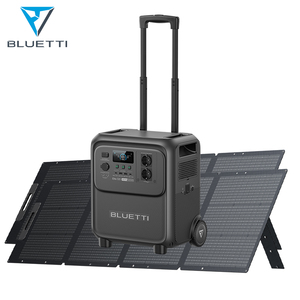
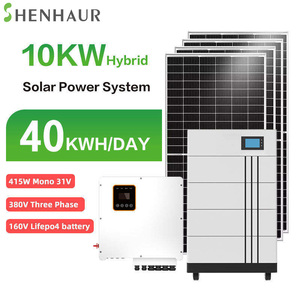
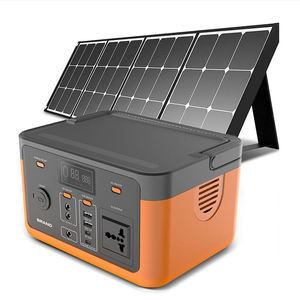
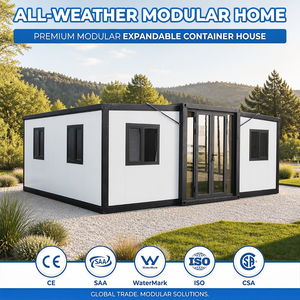
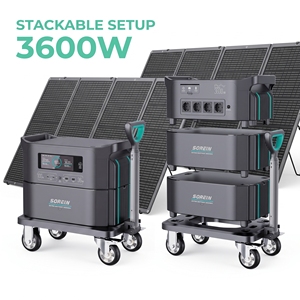
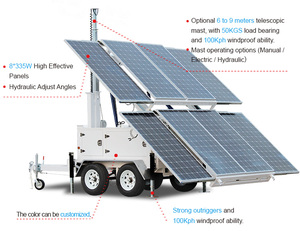
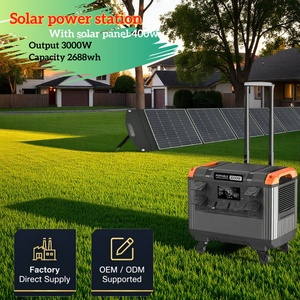
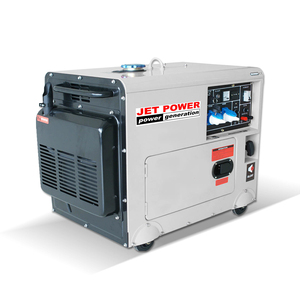
In an era defined by decentralized energy transitions and extreme climatic volatility, international procurement teams and utility engineers require power assets that offer absolute mechanical resilience and predictable energy yield. As a premier manufacturer and international exporter of CE Certified Vertical Turbines and hybrid off-grid infrastructure, our engineering methodology bridges advanced fluid dynamics with robust structural integrity. Unlike horizontal axis wind turbines (HAWTs) that demand active yaw mechanisms and experience severe aerodynamic fatigue under turbulent urban or off-shore microclimates, Vertical Axis Wind Turbines (VAWTs) provide omnidirectional kinetic energy capture.
Vertical turbine architecture operates independently of wind direction vectors. By utilizing proprietary Darrieus-Savonius hybrid rotor geometries, our systems combine high starting torque at low cut-in wind velocities (as low as 1.8 m/s) with aerodynamic self-regulation at peak wind speeds exceeding 25 m/s. Every vertical turbine unit manufactured in our ISO-certified facilities undergoes stringent structural stress modeling via Finite Element Analysis (FEA) and dynamic fluid modeling, ensuring full compliance with European Machinery Directive 2006/42/EC, Low Voltage Directive 2014/35/EU, and Electromagnetic Compatibility (EMC) Directive 2014/30/EU.
To assist technical buyers, EPC contractors, and system integrators in evaluating power plant assets, the table below outlines core performance metrics validated through field deployment and environmental chamber testing:
| Performance & Engineering Parameter | CE Certified Vertical Axis Turbine (VAWT) | Standard Horizontal Axis Turbine (HAWT) | Engineering Advantage & Impact |
|---|---|---|---|
| Wind Directionality | 360° Omnidirectional (No Yaw Engine Needed) | Unidirectional (Requires Active Mechanical Yaw) | Zero yaw response delay; eliminates primary mechanical failure point. |
| Cut-In Wind Velocity | 1.5 m/s – 2.0 m/s | 3.0 m/s – 3.5 m/s | Generates power up to 35% earlier in gentle light-breeze conditions. |
| Acoustic Footprint (at 10m) | < 32 dBA (Virtually Silent Operation) | > 55 dBA (Aerodynamic Tip Noise) | Ideal for urban, residential, telecommunication, and IoT sites. |
| Turbulence Tolerance | High (Thrives in Gusty & Complex Terrain) | Low (Prone to Blade Fatigue & Stall) | Superior annual energy yield (AEY) in turbulent coastal/mountain zones. |
| Corrosion Resistance Class | C5-M Marine Grade Anodized Aluminum / Stainless | Standard Industrial C3 / C4 Coatings | 20-year design life in severe offshore salt-spray environments. |
Combining British engineering heritage with state-of-the-art automated manufacturing, we deliver turnkey reliability where standard grid power cannot reach.
Our complete manufacturing pipeline is accredited under ISO 9001, ISO 14001, and ISO 45001 standards. Turbines and control enclosures are fully tested under IEC 61400-2 safety guidelines.
We eliminate operational risk by analyzing your site's specific microclimate coordinates using ERA5 historical reanalysis data blended with the Global Wind Atlas.
Supplying critical power solutions across Europe, the Americas, Asia-Pacific, and polar research installations. Factory engineers hold GWO certification for offshore deployment.
Market intelligence for global procurement managers, government infrastructure contractors, and sustainability directors.
As industrial facilities, telecommunication towers, and smart highway networks move toward net-zero microgrid operational mandates, the procurement landscape for small-to-medium vertical turbines is undergoing rapid technological convergence. Buyers are transitioning away from standalone power units toward integrated hybrid renewable ecosystems.
Modern vertical turbine systems are no longer specified in isolation. Procurement contracts increasingly demand direct coupling with high-density Lithium Iron Phosphate (LiFePO4) energy storage and smart MPPT controllers capable of managing simultaneous inputs from vertical turbines, high-efficiency monocrystalline solar arrays, and back-up generators.
This hybrid synergy guarantees continuous base-load coverage even during prolonged winter dark periods or calm atmospheric cycles.
Enterprise buyers now require complete visibility over remote asset health. Future-proof CE certified vertical turbines feature integrated IoT telemetry suites (such as Victron Cerbo GX or proprietary MODBUS/CANbus protocols) enabling continuous monitoring of rotational speed, vibration harmonics, bearing temperature, and state-of-charge metrics directly via satellite or 5G cloud dashboards.
Regulatory frameworks across EU and North American jurisdictions are placing stricter scrutiny on urban wildlife impacts. Vertical turbines present a solid visual envelope with low tip-speed ratios, resulting in zero bird radar impact and near-zero avian mortality rates. This makes VAWT technology the exclusive permitted choice for sensitive ecological reserves, municipal installations, and coastal wind parks.
Rapid deployment requirements in defense, emergency relief, and construction sectors are accelerating demand for pre-commissioned, containerized off-grid power units. Combining fold-down vertical turbine masts, expandable solar arrays, and high-wattage power stations into standard ISO 20ft container formats reduces field setup time from weeks to under two hours.
From site-specific resource modeling to final factory acceptance testing (FAT), every order follows rigorous quality gates.
We analyze your hourly power consumption requirements (W/kWh) and pull hyper-local solar/wind datasets to establish exact energy autonomy targets.
CAD dynamic modeling, rotor balance optimization, custom mounting plate engineering, and electrical enclosure schematic creation.
CNC precision machining of anodized aluminum blades, direct-drive permanent magnet generator (PMG) winding, and full burn-in stress testing.
CE export documentation, heavy-duty seaworthy crating, direct site delivery, and lifecycle technical support by factory specialists.
Direct answers regarding certification, performance optimization, lead times, and custom engineering.
Partner with a trusted international manufacturer of CE certified vertical turbines, solar power stations, and custom off-grid infrastructure. Submit your project requirements to speak directly with an application engineer.