Designed & manufactured in Herefordshire, UK — shipping worldwide Mon–Thu 9–5  |  Fri 9–4  |  +44 (0)1981 241668

0%

Choosing among China’s top off-grid IoT power supply manufacturers takes more than comparing prices. Remote sensors, gateways, and monitoring stations need steady energy through cloudy weeks, temperature swings, and long maintenance intervals. An Off-grid IoT power supply may combine solar panels, battery storage, charge control, and power-management electronics. Each part affects uptime. Small details matter.

This guide introduces manufacturers and the factors buyers can examine before requesting a quotation. Look for clear battery capacity and operating-temperature data, documented protection features, and practical installation guidance. Ask how a supplier tests performance under low sunlight and changing loads. A well-presented product page helps, but it cannot replace test reports or a technical discussion. That is not enough. Buyers should also check communication options, enclosure design, expected service life, and support for custom configurations. A unit intended for a quiet farmland sensor may not suit a roadside gateway with higher peak demand. Even a minor mismatch can shorten battery life or create avoidable service visits. Specifications sometimes leave out useful context, so request clarification rather than assuming. The manufacturers covered here are starting points for research, not automatic endorsements. Comparing evidence carefully can help project teams choose a dependable solution for their site, budget, and maintenance plan.
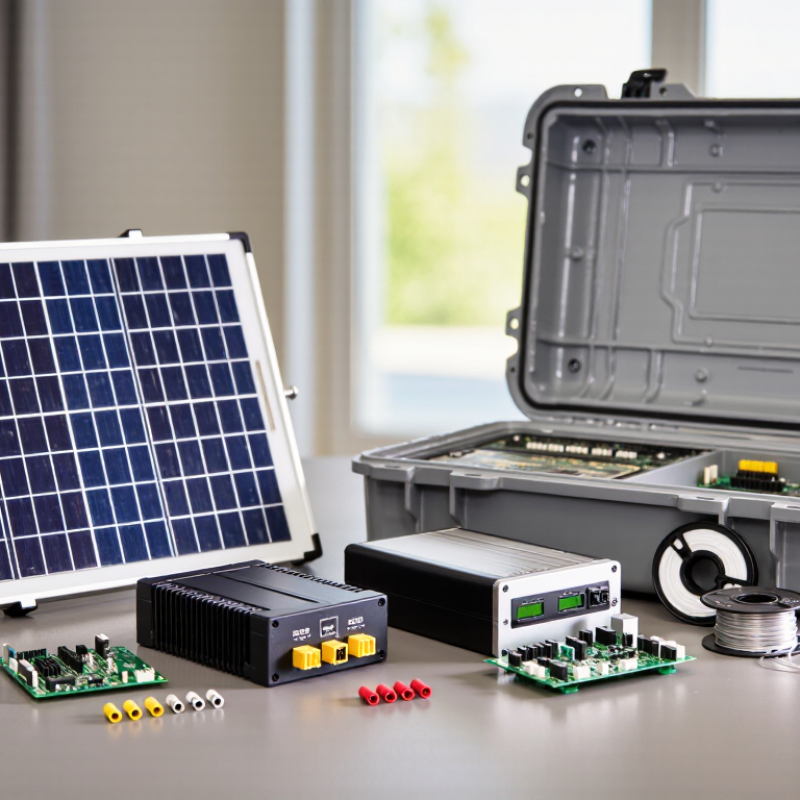
China Top Off Grid IoT Power Supply Manufacturers

What Is an Off-Grid IoT Power Supply?

An off-grid IoT power supply runs connected sensors where utility power is unavailable or impractical. It combines an energy source, storage, and power-management electronics. Solar panels are common, but primary batteries or small energy harvesters can suit low-demand sites. The right choice depends on the node’s actual duty cycle, not its label. Short bursts matter.

A remote water-level sensor, for example, may sleep for minutes, then wake, sample a probe, and send a radio packet. That brief transmission can draw far more current than sleep mode. Designers estimate daily energy use from sensing intervals, communication strength, temperature, and seasonal sunlight. They also allow reserve capacity for cloudy days or delayed service visits. A neat spreadsheet is not field evidence; measured current and a site survey are better.

The supply must keep voltage stable as the battery discharges and protect storage from unsuitable charging conditions. Enclosure sealing, cable glands, condensation, heat, and battery aging affect performance too. In shaded locations, a panel sized from summer averages may disappoint in winter. There is no universal configuration.

What Is an Off-Grid IoT Power Supply?

An off-grid IoT power supply keeps connected devices running without a utility-grid connection, typically using solar panels, a battery, and power-management electronics. The chart estimates daily energy available from different solar panel sizes.

Estimates assume four peak sun hours per day and 70% overall system efficiency. Actual output varies with location, season, shading, panel orientation, and system losses.

Key Technologies Used in Off-Grid IoT Power Systems

Off-grid IoT power systems combine energy generation, storage, and careful power management. Solar panels are common, but small wind turbines or hybrid inputs can help where conditions vary. A charge controller with maximum power point tracking adjusts panel operation as sunlight changes. This can improve energy capture on cloudy days, though it cannot replace realistic site measurements.

Battery selection depends on temperature, required runtime, and maintenance access. A battery management system monitors voltage and temperature, then limits charging or discharge when needed. In cold or hot locations, enclosure design matters too. Insulation can reduce temperature swings, but it may also trap heat. Small margins matter. Engineers should test the complete unit through seasonal conditions, not just rely on a capacity spreadsheet.

Low-power sensors and radios extend service life by sleeping between brief measurements and transmissions. Firmware can batch readings or send alerts only when values cross useful thresholds. Yet aggressive sleep settings may delay important data, and weak signals can make radios repeat transmissions. That trade-off deserves attention. Remote monitoring of battery voltage, charge cycles, and signal quality helps teams spot declining performance before a device goes quiet. Even good estimates miss something; field data should guide later adjustments.

China’s Off-Grid IoT Power Supply Manufacturing Landscape

China’s off-grid IoT power supply sector is shaped by dense electronics manufacturing networks and varied field conditions. Suppliers commonly integrate solar panels, rechargeable batteries, charge controllers, and low-power communication modules. These systems serve remote meters, weather stations, pipeline sensors, and agricultural monitoring equipment. The details matter: a shaded panel, a cold night, or a weak cellular signal can change the required battery capacity.

Demand is expanding, though not every connected device needs an independent power system. IoT Analytics’ State of IoT 2024 report estimated 18.8 billion connected IoT devices worldwide by the end of 2024 and projected about 40 billion by 2030. That growth increases demand for compact, dependable power, especially where grid access is limited. In China, manufacturers can draw on established component supply chains, but buyers still need to check operating temperature, enclosure protection, battery cycle life, and maintenance access.

Field performance is less tidy than a product sheet suggests. Dust can cover panels; long cloudy periods can drain reserves faster than expected. A system sized only for average sunlight may fail during a difficult season. Testing should therefore reflect the installation site, load profile, and communication schedule. Even then, forecasts are imperfect. The energy budget deserves another look before deployment.

How to Evaluate Chinese Off-Grid IoT Power Supply Manufacturers

When evaluating Chinese off-grid IoT power supply manufacturers, start with the operating conditions, not a catalogue rating. Share the device’s average and peak current, reporting interval, radio technology, and winter temperature range. A dependable supplier should explain how those figures shape panel size, battery capacity, and expected autonomy. Ask for assumptions in writing. Vague promises about “continuous power” are difficult to verify.

Review test evidence for battery capacity, charging behavior, enclosure protection, and temperature performance. Check whether tests reflect your actual duty cycle, including long periods of weak sunlight and brief transmission spikes. Ask how the unit responds when battery voltage falls, and whether remote monitoring reports useful faults. Inspect sample hardware: cable glands, connectors, seals, and mounting points reveal practical choices that a specification sheet may miss. Small details matter.

Assess manufacturing consistency as carefully as engineering. Request a sample, production inspection records, component traceability, and clear warranty terms. Confirm who handles firmware updates and replacement parts, and how quickly technical questions receive specific answers. Compare field data from installations with similar climates and network conditions; one successful demonstration proves little. No checklist catches everything, and a small pilot may still expose gaps. That is useful evidence, not a reason to skip testing.

Applications and Emerging Trends in Off-Grid IoT Power Supply

China Top Off-Grid IoT Power Supply Manufacturers
Applications and Emerging Trends in Off-Grid IoT Power Supply

Off-grid power keeps sensors working where grid connections are costly or unavailable. Farms use soil probes to track moisture across distant fields. Water utilities place level sensors beside isolated reservoirs, while transport operators monitor roadside equipment. These devices may send only a few readings each day, but they need dependable power through cloudy weeks and freezing nights. IoT Analytics estimated 18.8 billion connected IoT devices worldwide by the end of 2024, increasing pressure for practical, low-maintenance energy systems.

Solar panels paired with batteries remain common, while low-power chips and adaptive reporting help extend operating life. IRENA’s Renewable Power Generation Costs in 2023 reported that utility-scale solar’s global weighted-average electricity cost fell 12% that year. This is useful context, not a direct price guide for small off-grid systems. Remote installations still face battery aging, dust, shading, and difficult service visits. Hybrid designs combining solar with another energy source can reduce interruptions, though they add complexity. A system that looks efficient on paper may underperform in a shaded, cold location.

Tips: Match panel size and battery capacity to the site’s worst seasonal conditions, not its annual average. Test actual device energy use, including wireless transmission peaks. Leave room for maintenance; remote equipment is rarely easy to reach.

China Top Off Grid IoT Power Supply Manufacturers - Applications and Emerging Trends in Off-Grid IoT Power Supply

Application Typical Connected Equipment Common Off-Grid Power Options Key Design Considerations Emerging Trends
Environmental monitoring Weather stations, air-quality sensors, water-level and water-quality instruments Solar photovoltaic (PV) panels with rechargeable battery storage; primary batteries for low-duty-cycle deployments Account for sensor warm-up, sampling frequency, wireless transmissions, seasonal sunlight and the required period of operation without charging. Lower-power sensors, adaptive sampling and remote battery-health reporting help reduce site visits and energy use.
Precision agriculture Soil-moisture and temperature probes, weather nodes, livestock or asset trackers Small solar PV systems with rechargeable batteries; long-life primary cells for infrequently reporting sensor nodes Choose power and communications around the reporting interval, radio coverage, irrigation conditions and seasonal maintenance access. LoRaWAN and cellular IoT are used for different coverage and infrastructure needs; energy-aware reporting can extend operating life.
Remote infrastructure and pipelines Pressure, flow, leak and vibration sensors; valve or equipment status monitors Solar PV and rechargeable batteries; hybrid power systems where site conditions or load requirements call for another source Assess peak current during radio transmission, enclosure protection, temperature range, maintenance access and the consequences of power loss. More devices combine local event detection with scheduled reporting to limit communications energy while preserving alerts.
Utility and grid-edge monitoring Remote meter and distribution-asset monitors, cabinet sensors, fault indicators Battery-powered monitoring; solar-assisted charging for suitable exposed locations; energy harvesting where a usable source is available Consider isolation and electrical safety requirements, communications availability, surge exposure and service-life targets. Compact power-management electronics and condition-based maintenance reporting are increasingly relevant to remote assets.
Wildlife and remote-site tracking Location trackers, camera traps, acoustic sensors and protected-area monitoring nodes Primary or rechargeable batteries; solar-assisted systems when panel exposure and size are practical Balance device weight and size with transmission frequency, camera or sensor activity, weather exposure and expected servicing intervals. On-device processing can filter routine data and transmit only selected events, reducing power and network use.
Remote security and site monitoring Door, motion and tamper sensors; low-power cameras; remote alarms Solar PV with rechargeable battery storage for suitable loads; batteries or hybrid arrangements for higher or variable loads Cameras and cellular radios can draw substantially more power than simple sensor nodes; size the system using measured duty cycles and peak loads. Event-triggered recording, low-power standby modes and remote diagnostics can improve energy efficiency.

Note: These are application-level design patterns, not specifications for a particular product. Actual power and storage requirements depend on load, location, climate, communications coverage, duty cycle and required autonomy. Battery chemistry and charging equipment should be selected for the operating temperature, safety requirements and applicable standards.

FAQS

What does an off-grid IoT power supply do?

It powers sensors where utility electricity is unavailable or impractical. It combines an energy source, storage, and power-management electronics.

Which energy sources can power remote IoT nodes?

Solar panels are common. Primary batteries or small energy harvesters may suit low-demand sites. The load decides.

Why does a sensor’s duty cycle matter?

A water-level node may sleep for minutes, then sample and transmit. Radio bursts can draw far more current than sleep mode. Tiny bursts, big impact.

How should panel and battery capacity be estimated?

Use measured current, sensing intervals, signal strength, temperature, and seasonal sunlight. Allow reserve for cloudy days and delayed service visits. A tidy spreadsheet is not field evidence.

What can cause an outdoor system to fail?

Shade, dust, condensation, heat, cold nights, and battery aging can reduce performance. Cable glands and seals matter too. Often overlooked.

What information should buyers share with suppliers?

Provide peak and average current, reporting interval, radio type, and winter temperatures. Ask for written assumptions behind panel size, battery capacity, and expected autonomy.

Which test records are useful?

Review evidence for battery capacity, charging behavior, enclosure protection, and temperature performance. Tests should include weak sunlight and brief transmission spikes. Sample hardware tells another story.

How can buyers check production quality and support?

Request a sample, inspection records, component traceability, warranty terms, and details about firmware updates and replacement parts. A small pilot helps, though it may still miss something.

Conclusion

An Off-grid IoT power supply provides dependable energy for connected devices operating beyond the reach of conventional electrical networks. By combining suitable energy sources, storage, power conversion, and intelligent monitoring, these systems can support sensors, gateways, and other equipment in remote or hard-to-access locations. Their design must balance output requirements, environmental conditions, expected service life, and the need for minimal maintenance.

China’s manufacturing landscape includes suppliers with capabilities across system integration, component production, customization, and testing. When evaluating manufacturers, buyers can consider engineering experience, quality-control processes, technical support, production capacity, and the ability to tailor solutions to specific applications. Solar-powered monitoring, smart agriculture, environmental observation, and remote infrastructure are among the areas driving demand. Emerging trends include more efficient energy management, improved battery performance, smarter remote diagnostics, and modular designs that can adapt as connected-device needs evolve.

Oliver

Oliver

Oliver is a professional marketing specialist dedicated to helping businesses understand products, discover practical solutions, and make confident decisions. With extensive knowledge of the company’s offerings, he combines market insight, clear communication, and a customer-focused approach to......