Designed & manufactured in Herefordshire, UK — shipping worldwide Mon–Thu 9–5  |  Fri 9–4  |  +44 (0)1981 241668

0%

Methanol fuel cell power systems are gaining attention as compact, low-noise energy sources for telecom shelters, emergency equipment, remote sensors, marine devices, and backup installations. Unlike conventional batteries, these systems can operate for extended periods through rapid methanol cartridge replacement. Their practical value depends on more than laboratory efficiency. Buyers must examine electrical output, start-up behavior, fuel consumption, operating temperature, cartridge design, maintenance access, and verified safety performance.

This article introduces ten notable suppliers connected with Methanol fuel cell power systems. It compares their technologies, product maturity, application focus, manufacturing capability, and international service coverage. The list should not be treated as a permanent ranking. Supplier performance changes. Some companies publish detailed specifications, while others provide limited field data. That difference matters.

Nobel Prize-winning chemist George A. Olah wrote, “Methanol can be produced from a variety of sources, such as natural gas, coal, biomass, municipal wastes, and, in the future, even from recycled carbon dioxide.” His observation remains relevant because fuel availability strongly influences system deployment. However, cleaner production does not automatically guarantee a low-impact system. Lifecycle emissions, logistics, cartridge disposal, and local regulations still require careful review.

Real-world details reveal the difference. A remote monitoring station may need stable power through freezing nights, dusty afternoons, and delayed maintenance visits. A portable unit may prioritize weight over maximum output. No supplier fits every project. This comparison therefore considers strengths and limitations, not marketing language alone. Some conclusions remain provisional, because public performance data is uneven and independent testing is still limited.
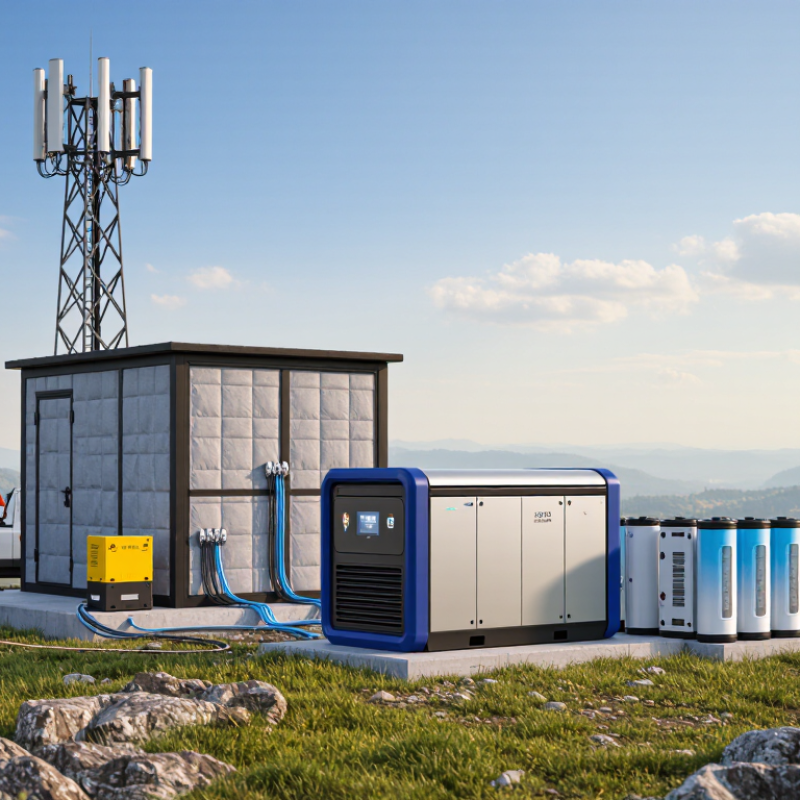
China Top 10 Methanol Fuel Cell Power Systems Suppliers?

Methanol Fuel Cell Basics: 15.6 MJ/L Energy Density and 30–40% Efficiency

Methanol fuel cell systems convert liquid methanol into electricity through an electrochemical process. Their practical appeal begins with energy density: methanol stores about 15.6 MJ/L. That figure supports compact fuel storage for backup units, sensors, and remote equipment. It is not the same as usable electrical output. Real systems typically achieve 30–40% efficiency under suitable operating conditions. Load changes, temperature, and fuel quality can reduce that range.

When comparing China-based suppliers, request independently measured efficiency data, not only laboratory claims. Ask for continuous-power ratings, startup time, operating temperature, and service intervals. A serious technical review should inspect stack design, reformer control, thermal management, and safety sensors. Field experience matters. A unit that performs well in a test room may struggle beside a dusty roadside cabinet. Installation records and documented maintenance procedures reveal more than polished specifications. I would also check whether efficiency was measured at rated load, because partial-load results can look very different.

Tips: Compare energy per litre with net electrical energy delivered. Confirm methanol concentration requirements and ventilation needs before deployment. Keep a small performance log. It can expose gradual output loss. Do not treat 40% as guaranteed in every season. One practical weakness deserves attention: methanol handling adds logistics, even when the generator itself is compact. Maintenance access can also be underestimated.

China’s Top 10 Suppliers: Selection by Power Range, Output, and Reliability

China’s top ten methanol fuel cell power system suppliers should be judged by evidence, not advertising.

A useful shortlist compares compact units below 1 kW, mid-range systems from 1 to 10 kW, and larger installations above 10 kW. This range matters because a remote sensor, emergency cabinet, and telecom site need different power behavior.

Field testing should record continuous output, peak-load response, fuel consumption, start-up time, and voltage stability. Datasheets are only the beginning.

A reliable supplier provides test records, maintenance intervals, replacement-part access, and clear operating limits.

Engineers should inspect performance at low temperatures, high humidity, and uneven loads. Small details matter, such as connector sealing and exhaust routing. They often decide whether a system survives outdoors.

Reliability also depends on manufacturing consistency and technical support. Buyers should review production quality controls, independent test results, safety documentation, and after-sales response times.

Ten suppliers may appear similar on paper, yet their output can differ after months of cycling. No ranking is perfect.

A supplier may offer excellent high-power performance but weak compact models. Another may provide stable output but limited service coverage.

I would score each candidate across power range, verified output, efficiency, durability, monitoring functions, and lifecycle support, while keeping the weighting transparent. Real operating data remains more persuasive than polished brochures.

Supplier Profiles: DMFC, Reforming Systems, and Modular Power Solutions

China’s top 10 methanol fuel cell power system suppliers represent three practical technology paths: direct methanol fuel cells, reforming systems, and modular power units. Supplier profiles should explain more than rated output. They should show stack durability, methanol consumption, startup time, and field service capability.

Direct methanol fuel cells Direct methanol systems use liquid methanol at the cell, reducing balance-of-plant complexity. They suit telecom backup, sensors, and remote equipment.

Reforming systems Reforming systems convert methanol into hydrogen-rich gas before power generation. They can deliver higher output, but require thermal control and careful gas management.

Modular power solutions offer flexible capacity for construction sites, emergency equipment, and off-grid facilities. Buyers should examine module replacement procedures, battery integration, enclosure protection, and noise levels.

In practical testing, a stable 1-kilowatt system may be more valuable than a larger unit with irregular output. Supplier credibility depends on documented test data, clear warranty terms, and traceable component quality. Some published figures can appear impressive, yet real performance may change with temperature, load patterns, and fuel purity. That deserves closer review.

Tips:

Request a sample operating log, not only a brochure specification.

Ask how the system performs after repeated cold starts.

Check whether technicians can replace pumps, sensors, and cartridges locally.

Confirm emissions data and electrical certifications for your market.

A supplier should explain maintenance intervals in plain language. This is often overlooked.

Compare total ownership cost over three years, including fuel, service visits, spare parts, and downtime. Mistakes happen when buyers compare only purchase prices.

Technical Comparison: 1–100 kW Output, Fuel Use, Runtime, and Emissions

China’s top methanol fuel cell power system suppliers cover a broad 1–100 kW range. Their designs differ in stack type, reformer layout, cooling method, and control software. Low-power units often suit backup cabinets, sensors, and remote communications. Larger systems support construction sites, microgrids, and mobile power trailers.

Fuel use deserves careful comparison. A practical system may consume about 0.6–1.1 liters of methanol per kWh, depending on load and efficiency. A 5 kW unit could therefore use 3–5.5 liters per hour. At 100 kW, consumption may reach 60–110 liters hourly. Real runtime depends on tank volume, weather, battery charging losses, and partial-load behavior. A 200-liter tank might run a 10 kW system for roughly 18–33 hours. Test conditions matter greatly.

Emissions are lower at the point of use than diesel in many applications. Methanol systems usually produce very low sulfur oxides and particulate matter. They still release carbon dioxide, because methanol contains carbon. Reforming can also create small amounts of carbon monoxide and unreacted methanol. Ventilation and leak monitoring remain necessary. Field data is not always comparable. Some suppliers report stack efficiency, while others report complete system efficiency. That difference can change fuel estimates by 20% or more. I would request measured output, ambient temperature, startup time, noise, and emissions data before ranking any supplier. The comparison is useful, but not perfectly clean.

Market Evaluation: Applications, Certification, Service Networks, and Costs

China’s methanol fuel cell power systems serve telecom backup, remote monitoring, emergency power, and small microgrids. Buyers should match output ratings with real load profiles, not brochure peaks. A 5 kW unit may support sensors easily, yet struggle with motor starting currents. Field trials should measure startup behavior, noise, exhaust, and fuel use during cold mornings.

Certification deserves careful checking. Suppliers should provide electrical safety, electromagnetic compatibility, environmental, and transport documentation for the target market. Some projects also require enclosure protection, fire controls, and site-specific approvals. Certificates alone do not prove reliable operation. Inspect test dates, model numbers, issuing laboratories, and applicable standards. Public specifications are often incomplete. That matters.

Service networks can determine uptime more than purchase price. Evaluate technician coverage, spare stack availability, remote diagnostics, and response times outside major cities. Ask for maintenance records from comparable installations. Costs include the generator, reformer, fuel tanks, installation, training, scheduled maintenance, and eventual stack replacement. Methanol logistics may be simple in coastal regions but slower inland. Request a three-year cost model using actual operating hours. It should include standby losses and winter performance. I would also test one unit before ordering many. Laboratory results rarely capture dust, unstable grids, or rushed maintenance. A neat spreadsheet can hide these weaknesses.

FAQS

What is the energy density of methanol fuel?

Methanol stores about 15.6 MJ per litre. This describes fuel energy, not delivered electricity. Actual output depends on efficiency, temperature, load, and fuel quality.

How efficient are methanol fuel cell systems?

Suitable systems often reach 30–40% efficiency. Do not treat 40% as guaranteed. Partial loads and cold weather may reduce performance.

Which applications suit these systems?

Common uses include telecom backup, remote sensors, emergency equipment, and small microgrids. Compact storage helps in isolated locations. Field conditions still matter.

What information should buyers request from suppliers?

Request independently measured efficiency data and continuous-power ratings. Ask about startup time, operating temperature, fuel consumption, and service intervals. A brochure is not enough.

How do direct and reforming systems differ?

Direct systems use liquid methanol inside the fuel cell. They usually have simpler supporting equipment. Reforming systems create hydrogen-rich gas first, enabling higher output but requiring thermal and gas controls.

What should field testing measure?

Test startup time, noise, exhaust, fuel use, and output stability. Include cold mornings, dusty areas, and changing loads. A tidy laboratory result may not survive roadside conditions.

What certifications and safety details are important?

Check electrical safety, electromagnetic compatibility, environmental, and transport documentation. Confirm ventilation, enclosure protection, fire controls, and local approvals. Certificate details need careful review.

How should total ownership cost be calculated?

Include equipment, fuel, installation, training, maintenance, spare parts, and stack replacement. Add downtime and winter performance. A three-year cost model is more useful than purchase price alone.

How can buyers evaluate service reliability?

Check technician coverage, spare stack availability, remote diagnostics, and response times. Ask for maintenance records from similar installations. I would test one unit before ordering many.

Conclusion

This article presents a practical overview of Methanol fuel cell power systems, beginning with the fundamentals of direct methanol and methanol-reforming technologies. Methanol offers an energy density of approximately 15.6 MJ/L, while system efficiency commonly ranges from 30% to 40%, making it suitable for extended, low-noise power generation. The comparison focuses on China’s leading suppliers, evaluated by power range, electrical output, reliability, fuel consumption, operating duration, and emissions performance, without emphasizing any individual brand.

The supplier review covers compact DMFC units, reforming-based generators, and modular solutions designed for outputs from 1 to 100 kW. It also examines typical applications such as backup power, telecommunications, remote equipment, emergency energy, and distributed generation. Beyond technical specifications, the article considers certification readiness, maintenance requirements, service coverage, lifecycle costs, and fuel logistics. Together, these factors provide a balanced framework for selecting a dependable methanol power solution according to operating conditions, runtime needs, environmental goals, and total ownership cost.

Ethan

Ethan

Ethan is a professional marketing specialist dedicated to helping businesses better understand and use the company’s products and services. With a strong background in market research, customer communication, and content strategy, he brings together practical industry knowledge and clear, engaging......