Choosing the China Best Off Grid Wind Power Systems Supplier requires more than comparing prices and catalog images. A reliable supplier should understand wind conditions, energy demand, battery storage, and installation limits. In coastal villages, remote farms, and mountain stations, small design errors can cause serious power shortages. The right system must match the site.
This guide examines Off-grid wind power systems from a practical and technical perspective. It considers turbine output, controller quality, battery chemistry, tower strength, maintenance access, and protection against storms. Real performance depends on average wind speed, not the supplier’s highest advertised rating. That detail is often missed.
Field experience matters.
A professional manufacturer should provide clear specifications, load calculations, test records, and installation guidance. Independent certifications and documented quality controls can strengthen confidence. However, certificates alone do not prove long-term reliability. Buyers should ask for project references, warranty terms, replacement-part policies, and technical support response times.
A useful supplier will discuss weaknesses openly. For example, wind power may produce less energy during calm periods, even when the turbine looks substantial. Hybrid designs with solar panels or backup generation may offer better stability. This is not a failure of wind technology. It is a design reality.
The best choice depends on the application, budget, climate, and service expectations. Factory visits, sample inspections, and verified performance data can reduce risk. Still, no supplier can promise identical results at every site. Careful evaluation remains essential.
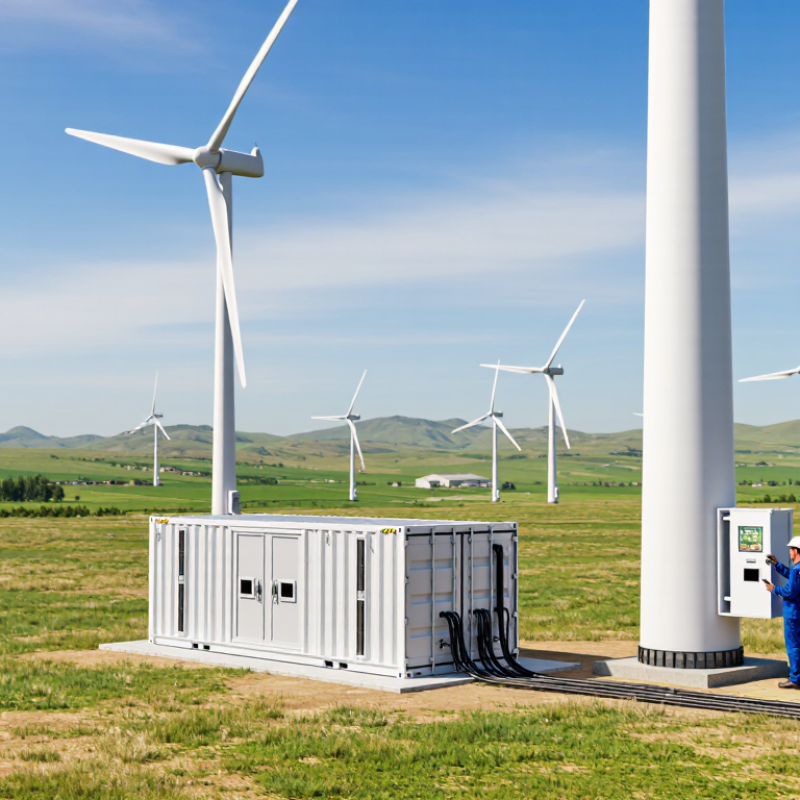
China Best Off Grid Wind Power Systems Supplier?
Off-grid wind power systems generate electricity without relying on a public utility network. A typical system combines a wind turbine, charge controller, battery bank, inverter, protection devices, and household loads. The turbine captures moving air through its blades. The controller then regulates charging, while the battery stores energy for calm hours. Simple in theory.
Wind is not always steady.
The 2024 Tracking SDG7 report estimates that about 685 million people lacked electricity access in 2022. For remote homes, farms, telecom stations, and monitoring equipment, off-grid wind can reduce dependence on diesel fuel. However, turbine sizing must reflect measured wind conditions, not attractive catalog figures. A small turbine may produce little energy if nearby trees, buildings, or terrain create turbulence.
Industry data also needs careful interpretation. The Global Wind Report 2024 recorded approximately 117 gigawatts of new wind capacity installed worldwide in 2023. IRENA’s Renewable Capacity Statistics 2024 reported global wind capacity above 1,000 gigawatts. Most of this capacity serves connected grids, not isolated sites. That distinction matters. Off-grid systems usually require stronger storage planning and lower maintenance access. IEC 61400-2 provides useful safety and design guidance for small wind turbines, but field performance still depends on installation quality. In practice, a hybrid wind-and-solar design may improve reliability. It also increases control complexity. Mistakes remain possible.
Off-grid wind power systems generate electricity without relying on a public grid. A turbine captures moving air through its blades. The rotor turns a generator, producing variable electrical power. A charge controller regulates this output before it reaches the battery bank. This prevents damaging overcharge and improves battery life.
When wind speeds change, the battery stores excess energy for calmer periods. An inverter then converts stored direct current into alternating current for household appliances. A typical remote cabin may power lights, a refrigerator, communication equipment, and a small water pump. Careful sizing matters. A large turbine cannot solve poor battery planning.
Experienced suppliers in China usually begin with local wind data, expected loads, tower height, and maintenance access. They should explain rated power, startup speed, noise, controller protection, and replacement procedures clearly. I have found that practical installation details often matter more than impressive catalog numbers. A tower placed behind trees may produce disappointing results.
Wind is unpredictable. That is the difficult part. Solar panels or a backup generator can support the system during long calm periods, but each addition changes the design and cost. Installers should inspect cable connections, braking functions, and battery temperature regularly. Even a well-engineered system needs adjustment after real operating experience. The first design may be sound, yet still require improvement.
| System Stage | Main Component | Operating Principle | Typical Technical Data | Practical Considerations |
|---|---|---|---|---|
| 1. Wind Capture | Wind Turbine Rotor | Wind passing over the blades creates aerodynamic lift, causing the rotor to turn and convert kinetic energy into mechanical rotation. | Horizontal-axis turbines commonly use 2 or 3 blades. Small off-grid models are often rated from approximately 400 W to 20 kW. | Annual energy production depends on the local wind-speed distribution, rotor diameter, tower height, and turbine efficiency rather than rated power alone. |
| 2. Mechanical Conversion | Shaft and Generator | The rotating shaft drives a generator, which converts mechanical energy into electrical energy through electromagnetic induction. | Permanent-magnet alternators are widely used in small systems. Three-phase variable-frequency output is common before rectification. | Direct-drive designs eliminate a gearbox, while geared designs can use a smaller, faster generator. Each approach has different maintenance and efficiency requirements. |
| 3. Wind-Speed Response | Turbine Control System | The controller regulates charging and protects the turbine during low-wind and high-wind conditions. | Typical small-turbine values include a cut-in speed of about 3–4 m/s, rated output near 10–12 m/s, and a shutdown or furling range commonly around 20–25 m/s. | Actual limits vary by turbine design. Overspeed protection may combine electrical braking, mechanical braking, pitch control, or passive furling. |
| 4. Electrical Regulation | Rectifier and Wind Charge Controller | Variable generator output is rectified and regulated so that the battery receives suitable charging voltage and current. | Common battery-bank voltages for small systems are 12 V, 24 V, and 48 V DC. A diversion-load function may absorb excess energy when the battery is full. | The controller must be matched to the generator voltage, maximum current, battery chemistry, and intended protection strategy. |
| 5. Energy Storage | Battery Bank | Electrical energy is stored during windy periods and supplied when wind production is insufficient or unavailable. | Lead-acid and lithium-based batteries are common options. Usable capacity is lower than the nameplate capacity because depth of discharge affects service life. | Battery sizing should consider daily energy demand, required autonomy, temperature, allowable depth of discharge, and charging efficiency. |
| 6. Power Conditioning | Off-Grid Inverter | The inverter converts stored DC power into AC power for household or commercial loads and maintains the required output waveform. | Typical output is 120 V or 230 V AC at 50 or 60 Hz, depending on the electrical standard. Pure sine-wave output is preferred for sensitive equipment. | Continuous power, surge power, idle consumption, efficiency, and low-voltage shutdown settings should be checked against the load profile. |
| 7. Backup and Hybrid Supply | Solar Array or Backup Generator | A hybrid source supplies energy when wind conditions are poor and can reduce battery depletion during extended calm periods. | Solar photovoltaic generation is often combined with wind because solar output frequently increases during seasons or times when wind output is lower. | A backup generator may be useful for critical loads, remote facilities, telecommunications equipment, and locations with prolonged periods of low renewable output. |
| 8. Load Management | Distribution Panel and Protection Devices | Power is distributed to priority loads while protective devices isolate faults and prevent damage from overcurrent, surges, or abnormal voltage. | Typical protection includes DC fuses or breakers, AC breakers, disconnect switches, surge protection, grounding, and emergency shutdown provisions. | High-power loads such as pumps, heaters, compressors, and motors may require dedicated circuits and additional inverter surge capacity. |
| 9. Monitoring | Energy and Condition Monitoring | Sensors and meters track wind speed, battery voltage, charging current, energy production, load demand, and system alarms. | Monitoring may be local or remote. Useful measurements include daily energy yield, battery state of charge, operating hours, and fault history. | Accurate monitoring helps identify low wind resources, battery aging, loose connections, excessive loads, and controller or inverter faults. |
| 10. Site Installation | Tower, Foundation, and Cabling | The tower elevates the rotor into stronger and less turbulent airflow while the foundation and cabling transfer mechanical and electrical loads safely. | Wind speed generally increases with height, but the best tower height depends on terrain, nearby obstacles, turbulence, soil conditions, and local regulations. | A professional site assessment should evaluate average wind speed, turbulence, access, lightning exposure, cable distance, maintenance clearance, and structural safety. |
Choosing a China-based supplier for an off-grid wind power system requires more than comparing prices. Start with verified manufacturing experience, engineering capability, and export records. Ask for project references in climates similar to yours. A clear power curve should show performance at different wind speeds. Request test reports, material specifications, and installation drawings. Factory photos help, but they are not enough.
Technical expertise should match the actual site conditions. Check rotor size, tower height, battery compatibility, controller protection, and expected maintenance intervals. Coastal projects need corrosion-resistant materials and sealed electrical cabinets. Remote sites need simple servicing, spare parts availability, and stable remote support. Review the warranty carefully. It should define response times, replacement procedures, and excluded conditions. Do not accept vague promises.
Supplier reliability also depends on traceable production. Look for documented inspections, serial-number records, and quality checks before shipment. Communication matters too. Engineers should answer technical questions clearly, not only send sales quotations. One uncomfortable lesson is that a low purchase price can hide costly installation problems. Small documentation gaps may become serious delays in remote areas. A trial order or factory audit can reveal more than polished marketing material. Keep written records of every specification, revision, and delivery commitment.
Use the IEC 61400-1 wind-class benchmarks when evaluating an off-grid wind power supplier. Class I, II, and III correspond to reference wind speeds of 50.0, 42.5, and 37.5 m/s, with corresponding annual average wind speeds of 10.0, 8.5, and 7.5 m/s. A qualified supplier should match the turbine design class to the measured conditions at the installation site and provide supporting test and compliance documentation.
Off-grid wind systems come in several practical forms. Small horizontal-axis turbines suit open farmland and coastal sites. Vertical-axis models can work where wind changes direction often. Hybrid packages combine wind generation with solar panels, batteries, controllers, and inverters. Each type serves a different energy pattern.
Customization should begin with measured demand, not a catalog rating. A technician can review daily loads, starting currents, seasonal wind speeds, and tower height. A small cabin may need a 1–3 kW turbine, while a remote workshop may require more capacity. Battery voltage, storage size, inverter output, and protection devices can be adjusted for the site. Tower choices also matter. Guyed towers reduce material costs, while self-supporting towers may fit restricted land.
Details decide reliability. Salt air requires corrosion-resistant hardware. Cold regions need suitable battery protection and icing plans. A controller should manage charging safely during strong winds. Maintenance access must be considered before installation. A turbine can produce less power than expected when nearby trees create turbulence. That mistake is common.
I would not promise complete energy independence without a year of site data. Weather is inconsistent. Loads change, too. A useful supplier should explain these limits, provide performance assumptions, and document testing clearly. Good customization is not endless modification. It is careful matching between equipment, environment, budget, and real daily use.
Selecting an off-grid wind power supplier requires more than comparing turbine prices. Installation experience often determines long-term performance. A proper site survey should measure wind speed, turbulence, tower height, soil condition, and nearby obstacles. Small errors here can reduce annual energy production significantly. The tower must stand firmly.
During installation, technicians should inspect every cable connection, grounding point, brake system, and battery terminal. Correct cable sizing reduces voltage loss and heat buildup. The controller should match the turbine, battery voltage, and expected load. In remote areas, access for repairs matters too. A difficult site increases service costs.
Maintenance should follow a written schedule, not personal memory. Inspecting blades, bolts, bearings, and guy wires after severe weather can prevent larger failures. Battery temperature and charge records also reveal hidden problems. Quality evaluation should include material certificates, factory testing, warranty conditions, spare-part availability, and technical support response times. Independent test reports are useful, but paperwork cannot replace practical inspection. Some suppliers present impressive specifications while offering weak after-sales support. That deserves careful questioning. A reliable supplier should explain expected output under local wind conditions, not only advertise maximum power. I have seen projects underperform because owners trusted a single wind reading. Repeated measurements are safer.
It produces electricity without a public utility connection. A turbine, controller, batteries, inverter, and protection devices form the system. It can serve remote homes, farms, cabins, and monitoring equipment. Wind is moody.
Moving air turns the turbine blades and rotor. The generator produces variable electricity. A charge controller regulates battery charging. The inverter changes stored direct current into household alternating current. That process supports lights, refrigerators, pumps, and communication equipment.
Measure local wind conditions, daily electricity use, and seasonal changes. Record appliance starting currents, tower height, and maintenance access. A catalog rating alone cannot predict actual production. Real data matters.
Horizontal-axis turbines often suit open farmland and coastal areas. Vertical-axis turbines may handle changing wind directions more effectively. Hybrid systems combine wind, solar panels, batteries, controllers, and inverters. The location decides.
A small cabin may need a 1–3 kilowatt turbine. A workshop may require more capacity and stronger storage. Battery size depends on loads, calm periods, and backup options. A larger turbine cannot fix poor battery planning.
Batteries supply power when wind production falls. Solar panels or a backup generator can support longer calm periods. Each extra source increases cost and control complexity. I would avoid promising total independence without long-term site data.
Trees, buildings, and uneven terrain can create turbulent airflow. A tower behind trees may produce disappointing energy. The turbine should stand in a cleaner wind area whenever practical. This mistake is common.
Technicians can adjust battery voltage, storage capacity, inverter output, and protection devices. Tower designs may include guyed or self-supporting structures. Salt air requires corrosion-resistant hardware. Cold regions need battery protection and icing plans. Customization still has limits.
Inspect cable connections, braking functions, battery temperature, and tower hardware regularly. Check controller operation during strong winds. Keep replacement procedures and service access clear. Small oversights can become expensive. The first design may need improvement.
Off-grid wind power systems provide reliable electricity in locations beyond the reach of public grids, using wind turbines, controllers, batteries, inverters, and supporting components to create an independent energy solution. As wind turns the turbine, generated power is regulated and stored in batteries, while the inverter converts it into usable electricity for homes, farms, communication facilities, or remote projects. A well-designed system may also integrate solar or backup generation to improve stability during periods of low wind.
When selecting a China-based supplier, buyers should evaluate turbine efficiency, component quality, safety certifications, production capability, customization support, and experience with international projects. Suppliers may offer small household turbines, hybrid systems, vertical- or horizontal-axis models, and tailored solutions based on local wind conditions and energy demand. Clear installation guidance, spare-parts availability, warranty coverage, maintenance services, and thorough quality inspections are equally important. Careful planning and professional installation can improve performance, extend service life, and ensure that the system meets practical energy needs.